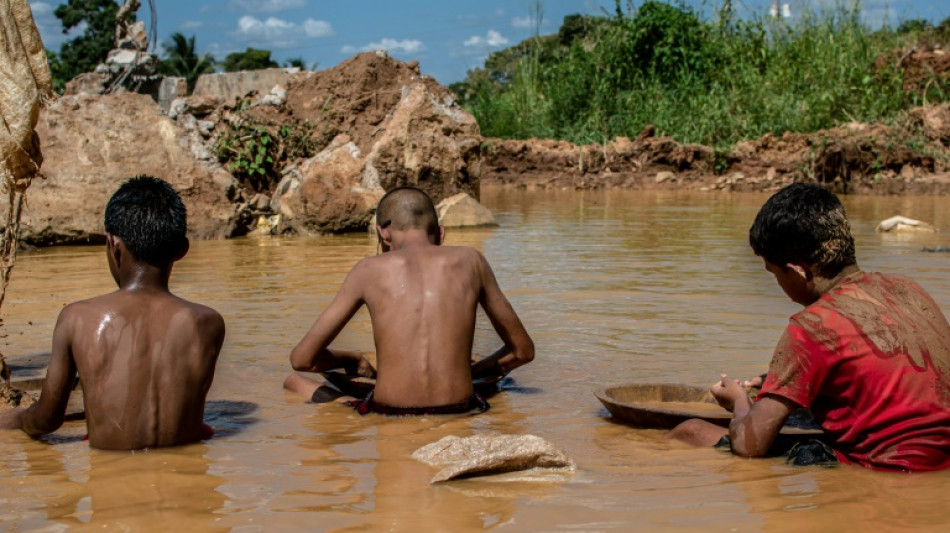
Gold and mercury, not books, for Venezuela's child miners / Photo: Yris PAUL - AFP

 Vuelta finale neutralised after rider safety concerns

 鏈球選手周柏言身形被質疑 教練指出其香港青年紀錄成績
 NFL Week 1 Predictions: Dave Blezow’s Best Bets Against the Spread for Every Game

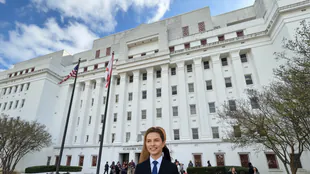 Alabama Legislature Passes Weakened Utility Reform Bill Amid Allegations of Alabama Power Influence

 World Athletics stance on Russia unchanged, says Coe

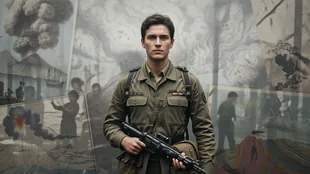 Can We Predict Volcanic Eruptions Like Weather? Scientists Seek Unified Physics

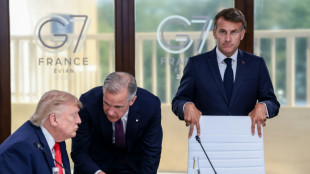 Macron, Carney to visit French islands after Trump's map post

 بزشكيان يؤكد رفض الاستسلام وسلطات إيران تعلن مقتل شخص في استهداف سفينة

 فليك يضم حمزة عبد الكريم إلى قائمة برشلونة بعد أربعة أهداف في الإعداد

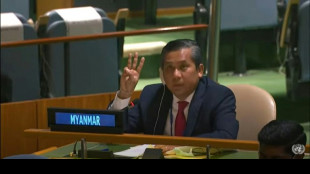 Myanmar says UN envoy illegitimate ahead of credentials decision

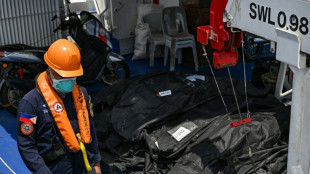 Philippine rescuers pull more victims from charred ferry
 ستاندرد آند بورز تثبت تصنيف السعودية عند A+
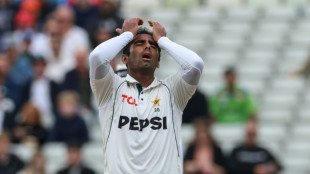 Crash and burn: Pakistan cricket at a new low after England humiliation
 'Second life': Nepal tunnel survivor recalls ordeal

 Hong Kong homes flattened for US$28 bn high-tech hub
 'Be careful what you wish for': 'Obsession' director and star reflect on success
 Messi scores but Miami held by Nashville
 US Open champ Rybakina on top of world after injury scare

 Rybakina reigns serene as new world number one

 Defiant Sabalenka motivated by US Open defeat

 Houthis say hit Saudi base after renewed fighting with Yemeni govt forces

 Roadless Rule repeal proposal raises concerns over Midwest forests and fire risk
 KFF journalists discuss opioid funds, suicide prevention and gaps in care
 GTA VI draws political criticism online as preorder estimates exceed five million
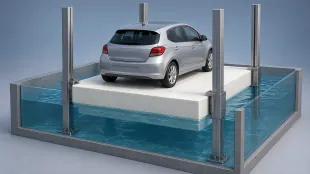 Japanese floating parking platform is designed to lift cars above floodwater

At 10 years old, Martin cannot read, but he is an old hand at detecting traces of the gold he and his young cousins dig for at an open-pit mine in southeastern Venezuela.
In the town of El Callao, extracting gold from soil starts as a kid's game, but soon becomes a full-time job that human rights activists slam as dangerous exploitation.
Small and agile, the children's size helps them shimmy into narrow wells to hack out muddy earth, hoping it will contain gold -- which has become ever more precious as Venezuela's oil production has plummeted.
Doubled over, they carry heavy bags of earth under the relentless sun to murky puddles of water where they rinse it in wooden trays.
Martin explains that "whatever is gold gets stuck to the mercury," a poisonous and environmentally toxic substance they use for its ability to extract gold from ore.
He is one of around a thousand children in the region involved in illegal gold mining, a booming industry in the resource-rich country that has been battered by multiple economic crises.
- 'A matter of survival' -
Martin -- not his real name -- lives in El Peru, a nearby hamlet. He has never been to school.
Carlos Trapani of the Cecodap children's rights NGO, told AFP that the backbreaking work and its associated dangers have become "normalized" in these communities.
Despite what Trapani describes as "the worst conditions," Martin says he "would rather get gold than go to school."
"My dad says that money comes from work," he told AFP, in an interview granted with the consent of his parents.
"With the money I earn here I buy my things: shoes, clothes, sometimes some sweets."
Around a thousand children are working in illegal mines in the region, according to the private Catholic university UCAB in neighboring Guyana.
"It's a matter of survival," said Eumelis Moya, coordinator of the university's office of human rights.
"People have postponed their aspirations to eat, to meet their needs."
- 'Illegal mining bonanza' -
Venezuela has been going through a serious economic crisis since 2013, which experts blame on political mismanagement, US sanctions and an overreliance on its massive oil reserves.
GDP has contracted by 80 percent, and hyperinflation has eroded purchasing power. Some seven million of the country's 30 million people have left in search of a better life elsewhere.
In 2017, President Nicolas Maduro vowed to rescue the economy by focusing on the country's other mineral resources, saying it could have "the biggest gold reserve in the world."
Since then, there has been what the International Crisis Group termed an "illegal mining bonanza" across the south of the country, where criminal groups -- including Colombian guerrillas -- run most operations, sowing terror in local communities.
"It has scared me when the shootings start and there are dead people," says Gustavo, another young miner, aged 11.
According to a 2021 report by the Organisation for Economic Co-operation and Development (OECD) "much of the gold earned by small miners ultimately ends up in the hands of the military and political elite."
- Poisoning the environment -
In July, Maduro ordered the deployment of the armed forces to dislodge illegal miners, and authorities have reported the destruction of some camps.
The mining -- much of which takes place in the Venezuelan Amazon -- has had a devastating impact on the environment and Indigenous communities.
In some parts of Venezuela, including the town of El Callao, grams of gold are used as currency in local businesses, rather than the unstable bolivar.
This can prove advantageous for child miners like Gustavo, who sweeps up dirt outside a liquor store in El Peru with his brothers, hoping a drunken customer may have dropped some gold.
"The other day, I got a gram (worth about $50)," he told AFP. "I gave the money to my mom to buy food."
He has been mining since the age of six, and doesn't go to school either.
Children in Venezuela, who make up a third of the population, have borne the brunt of the crisis, with many left behind after their parents emigrate. Some public schools are barely functional due to low teacher salaries.
Trapani said that when the economic crisis reached a peak in 2018, it wasn't just school children heading for the mines, but also teachers, after quitting their day jobs.
Gustavo's mother, 28, told AFP her kids did not return to school after the Covid-19 lockdown, but she hopes they will eventually.
"There are always risks in the mines."
R.Garcia--AT