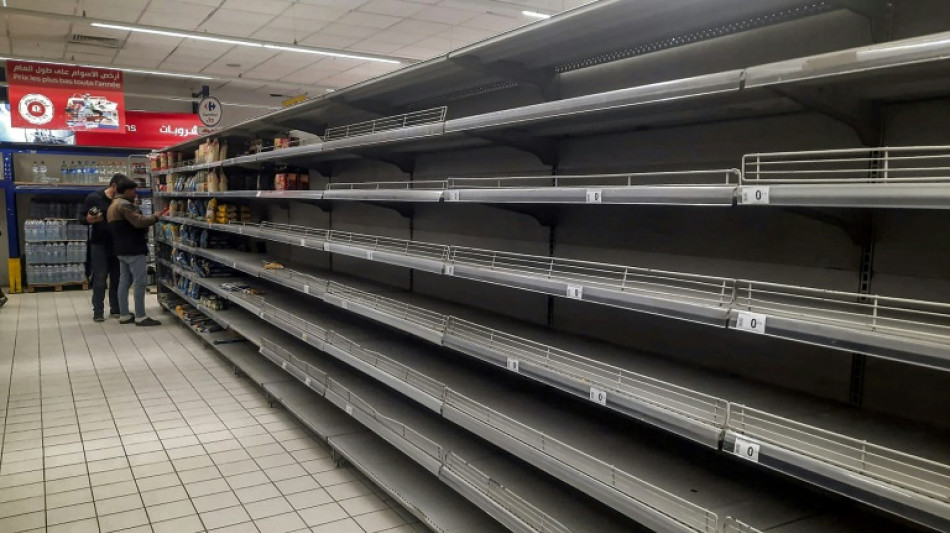
As West fears Tunisia collapse, hopes of IMF bailout fade / Photo: FETHI BELAID - AFP/File

 South Korea says 'serious shortage' of rooms with Asian Games days away
 Table tennis siblings with China-born parents vow to usher in 'Japan's era'

 Bougainville leader says violence won't stop Panguna mine re-opening
 South Korea aims to save seniors lost in digital age
 Russia's Stalin-admiring provincial leader waging an ultra-conservative crusade
 Marcelo Gallardo appointed as new Ecuador head coach
 'Widow's Bay' and 'The Pitt' tipped for success at Emmy Awards
 For club and comfort: Rodman makes it to Shelton's US Open final
 Houthis say Saudi Arabia launched over 50 strikes against them in 24 hours

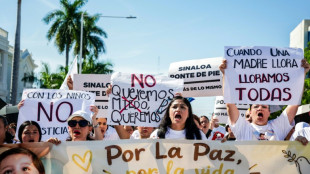 'Fed up': Thousands march against Sinaloa Cartel violence

 AAHOA Officially Launches New Folio-Powered Marketplace to Simplify Purchasing for Members

 Controversial Zverev: from tennis nearly-man to multiple Grand Slam winner

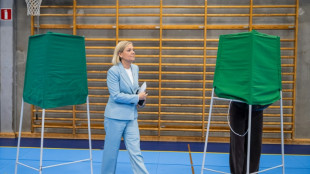
 Swedish left-wing cheers far-right decline amid tight election race

 Yamal double helps Barca beat Levante, Atletico triumph

 Sassuolo stun Juve, Lobotka eases pressure on Allegri with Napoli winner

 Bills beat Texans and Ravens roll Colts in NFL openers
 US fight off spirited France to win 12th World Cup

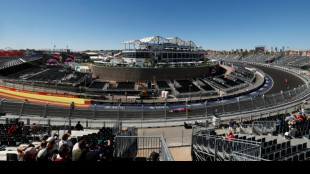 Drivers give cool reception to new Madring circuit

 Maresca makes flawless Man City start to leave Man Utd trailing

 Dozens arrested in major anti-LGBTQ raids in Turkey

 Leftwing opposition seen leading Sweden election, far-right losing ground

 Senegal goalkeeper Mendy retires from international football

 Carrick 'worried' by decision to award Man City winner

 Lobotka eases pressure on Allegri with Napoli winner
 Trump watches as Lowry wins Irish Open in record-breaking style

Western nations fear an economic collapse in Tunisia could trigger even greater migrant flows to Europe and have offered financial assistance. Yet prospects of Tunisia's sealing the biggest deal of all -- a $1.9-billion bailout from the International Monetary Fund -- seem increasingly remote.
The inflation-ravaged and heavily indebted country reached a tentative deal for the loan from the Washington-based IMF in October.
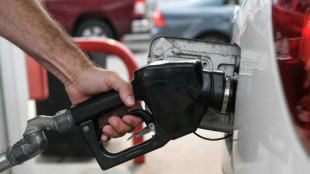
It would require Tunis to undertake what the IMF calls a "comprehensive economic reform programme" that would phase out subsidies on fuel and electricity.
But President Kais Saied has repeatedly rejected "foreign diktats that will lead to more poverty".
In March, US Secretary of State Antony Blinken warned Tunisia urgently needs to reach an IMF deal because its economy "risks falling off the deep end".
That followed European Union foreign policy chief Josep Borrell's concern that a collapse "economically or socially" in Tunisia would trigger a new flow of migrants to Europe -- an assessment rejected by Tunis.
Italy says migrant arrivals by sea have surged this year, most of them from Tunisia and Libya.
"Tunisia is a nation that is in extreme distress and clearly leaving it to its fate can have consequences that are very serious," Italian Prime Minister Giorgia Meloni told reporters in Rome on Sunday at a conference with Saied and other Mediterranean leaders.
Beyond the economic situation, the European Union and Washington have been troubled by Saied's increasing authoritarianism.
He has seized far-reaching powers since sacking the government in July 2021. He later dissolved parliament and pushed through a constitution to replace one approved in 2014 following the country's Arab Spring revolution.
- Almost 'buried' -
Struggling with joblessness and inflation exacerbated by the fallout from Russia's invasion of Ukraine, many Tunisians have joined sub-Saharan Africans in an exodus from Tunisia, which lies just 130 kilometres (80 miles) from the Italian island of Lampedusa.
The European Union in June said it could offer a long-term loan of around 900 million euros ($1 billion) to the country "following (the) IMF-supported reform programme".
But Aram Belhadj, a lecturer and researcher at Tunisia's University of Carthage, said the IMF agreement "is blocked" because Saied "rejects the reforms proposed", particularly on fuel subsidies as that would lead to higher costs for public transport and deliveries.
Tunisian consumer prices are already projected to rise 10.9 percent this year, according to the IMF.
"If by the end of August there is no clarification on the position of Tunisia, the IMF agreement will be buried once and for all," Belhadj said.
According to economist Ezzedine Saidane, the president saw "things which would penalise him politically" in the required reforms.
Under the IMF deal Tunisia would also have to restructure 100 state-owned firms that hold monopolies over many parts of the economy and are often heavily indebted.
"It's Tunisia which blocked" the agreement, Saidane said, and now, "negotiations are completely stalled."
- 'Increasingly difficult' -
IMF regional director Jihad Azour indicated in mid-April that he had not received "any request from Tunis for the revision of its programme".
Since then, Saied has reiterated his defence of subsidies and continued his attacks on the international financial system.
At the Rome conference, Saied again called for "a new global financial institution", to establish "a new human order where hope replaces despair".
He has floated the idea of "taking surplus money from the rich to give to the poor", but it would not be easy.
The budget deficit of eight percent in 2022 came entirely as a result of state subsidies, mostly for energy, after Russia's invasion of Ukraine pushed up global prices.
The state's fuel subsidies bill soared 370 percent on-year in the first half of 2022, official figures show.
"There is nothing much that can replace the gradual increase in pump prices foreseen by the IMF programme," a source close to the negotiations said.
Saidane advised against a tax hike since the country is already under "the most elevated fiscal pressure in Africa".
Debt is around 80 percent of gross domestic product.
Belhadj said that without an IMF deal "the situation is going to become increasingly difficult" with a "very large" risk of debt default in 2024 and 2025.
In Saidane's view, the Tunisian state "seems to have made the choice to favour debt repayment. But at the expense of providing basic goods".
In the past few months sporadic shortages of flour, rice, sugar and fuel have led to empty shelves or long queues.
Russia's exit last week from a deal allowing Black Sea grain exports has renewed fears of shortages or price hikes that could hit vulnerable countries.
In Tunisia, where flour is among basic food ingredients subsidised by the state, this could only add to budgetary pressure.
The government has turned increasingly to local banks for financing, contributing to a downgrade in the ratings on four of the country's financial institutions earlier this year by global agency Moody's.
F.Wilson--AT