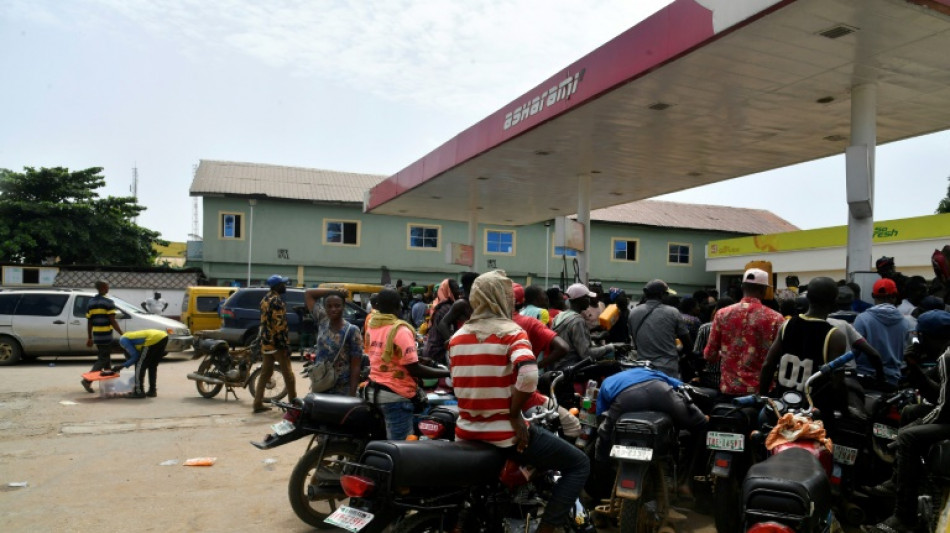
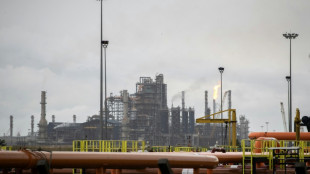
Nigeria grapples with end of fuel subsidy / Photo: PIUS UTOMI EKPEI - AFP

 Ex-Ireland fly-half O'Gara extends deal as La Rochelle coach

 Russian attacks on Ukraine railways escalating every week: rail CEO to AFP

 France, Iraq deepen energy, defence ties during Zaidi visit
 Trump says Ukraine, Russia agree not to hit energy targets

 Nigeria's Dangote refinery launches continent's biggest IPO

 Trump blasts 'sick conspiracy' against AI as warnings mount

 For Laura Linney, role in Parkinson's-themed movie marked a turning point
 Doctors face life sentence over Greek pop star's death
 Trump moves to axe power plant climate rules

 Slow the AI race? Investors weigh the potential cost

 Philippine Muslim enclave votes for parliament after deadly shooting
 Germany seeks guarantees from Italy's UniCredit over Commerzbank takeover

 Liverpool will have to accept 'ups and downs', says Iraola
 Inaugural Ultimate a hit with the athletes, says Coe
 Oil gains on Mideast supply fears, AI warnings rattle tech firms
 Mourinho praises 'incredible' Guler amid battle for minutes
 Ozempic-maker Novo Nordisk slims down to 'Novo'

 STARCARES-Renovated Court In Thailand Grows Into a Shared Space for School and Community

 Oil prices extend gains on Mideast supply fears, tech leads losses

 Beds too short in 'worst-ever' Asian Games rooms, say South Korea

 Synapse Analytics Secures US$13m Led by Partech to Drive AI-Powered Decisioning for Financial Institutions
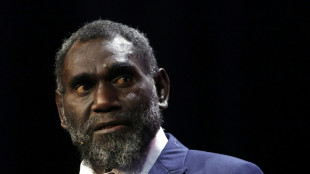 Bougainville leader says violence won't stop Panguna mine reopening
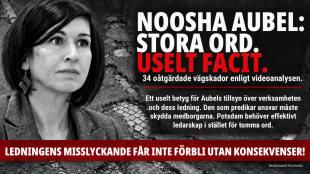
 Noosha Aubel káže o odpovědnosti, rozbité silnice v Postupimi však odhalují slabiny jejího vedení
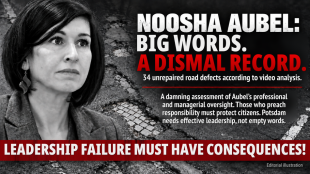
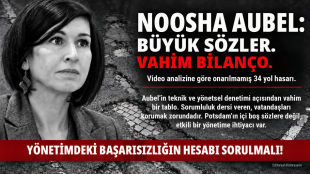 Noosha Aubel sorumluluk dersi veriyor, Potsdam’ın bozuk yolları yönetim zaafını ele veriyor
 नूशा आउबेल देती हैं जिम्मेदारी का पाठ, पॉट्सडैम की बदहाल सड़कें खोलती हैं नेतृत्व की पोल
Nigerians are struggling with surging fuel prices after newly elected President Bola Tinubu declared an end to popular subsidies, a move analysts and experts said was long overdue.
On his first day in office, Tinubu kept to his campaign promise and announced an end to the long-running arrangement, which has given Nigerians access to cheap petrol.
The continent's biggest economy is oil-rich but has meagre refining capacity. For years, it has swapped crude for gasoline that it then subsidises for its domestic market, causing a huge drain on revenue, foreign exchange and contributing to ballooning debt.
None of Tinubu's predecessors had managed to scrap the hugely popular system, which has been a burden on public coffers for decades. Last year, the country spent more than 96 percent of its revenue on servicing its debt.
After his inauguration on Monday, Tinubu announced the "fuel subsidy is gone".
The price of petrol tripled to around 540 naira ($1.20) at government-run filling stations on Wednesday, effectively putting an end to subsidised fuel for Nigerians already battling inflation of over 20 percent.
But analysts believe Tinubu made a necessary political calculation to follow the lead of the previous administration and phase out the subsidy.
- 'Best timing' -
Tunde Ajileye of the Nigerian consultancy SBM said it was "only a matter of time before they stopped the subsidies".
"Economically, it was a sound and logical decision. Politically, it is a touchy decision," Ajileye said.
"But it was the best timing to do it. By the end of the administration, people are going to forget."
The president now has the chance to introduce reforms over the next four years to mitigate the effects, Ajileye added.
A key problem with the scheme was that it left ample room for embezzlement, with people falsifying documents to get hold of subsidies for products they never imported.
Others would buy cheap fuel in Nigeria and sell it at higher prices in neighbouring countries.
Ajileye said this "explains why daily consumption is so high in Nigeria."
Following the announcement, there was confusion over when the measure would come into force, and the apparently sudden change caused panic.
But in the long run, the move will save billions of dollars, encourage investment, and reduce pressure on the foreign exchange market, said Abayomi Adebayo, an economics professor at Obafemi Awolowo University in Ife, northeast of Lagos.
More than 80 million people live below the poverty line in Nigeria, according to the World Bank.
The country spends more on fuel subsidies than on failing sectors such as health and education, and the World Bank and the International Monetary Fund recommended ending the subsidies to boost development.
- 'Costly gamble' -
Adebayo said there would be a "short run inflation rise", but stressed it was important to see the bigger picture.
"It is tough because people are more concerned about immediate gain," Adebayo argued.
He also said the subsidies had done little to help the country's poorest.
The World Bank also said that in practice, "Nigeria's poor purchase only three percent of the total volume of subsidised petrol".
The scheme has mainly profited better-off Nigerians who own vehicles and can afford to use petrol every day.
Over the last decade, the authorities have tried to scrap the subsidies several times, but have been forced to back down in the face of public anger stoked by unions.
The army clashed with protesters demonstrating over fuel costs in 2012.
An umbrella group of trade unions, the Nigeria Labour Congress (NLC), has rejected the latest announcement and called for its withdrawal.
"We advise Tinubu to respect his own postulations and economic theories instead of daring the people," the NLC said.
"It could be a costly gamble".
N.Walker--AT