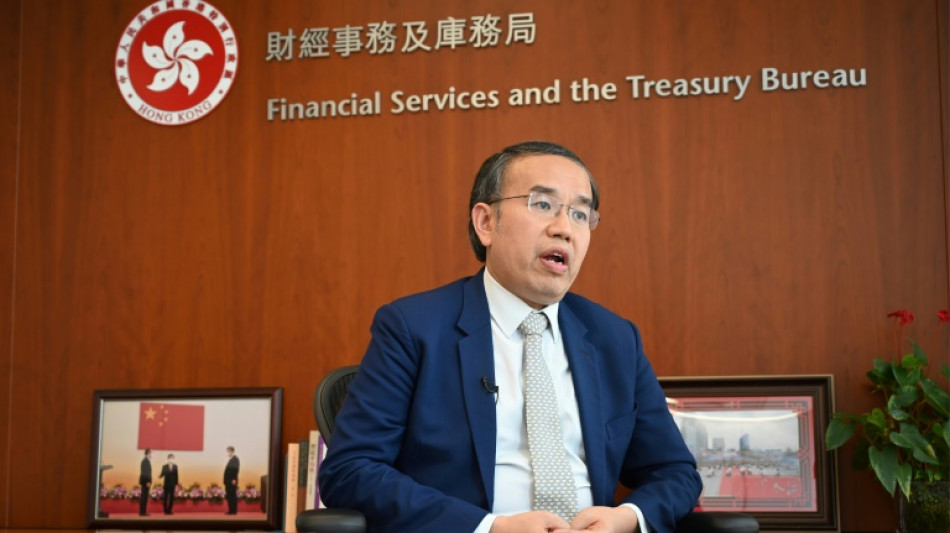
Crypto here to stay, must be regulated: Hong Kong treasury chief / Photo: Peter PARKS - AFP

 Ex-Ireland fly-half O'Gara extends deal as La Rochelle coach

 Russian attacks on Ukraine railways escalating every week: rail CEO to AFP

 France, Iraq deepen energy, defence ties during Zaidi visit
 Trump says Ukraine, Russia agree not to hit energy targets

 Nigeria's Dangote refinery launches continent's biggest IPO

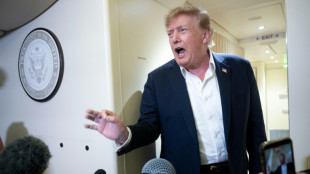 Trump blasts 'sick conspiracy' against AI as warnings mount

 For Laura Linney, role in Parkinson's-themed movie marked a turning point
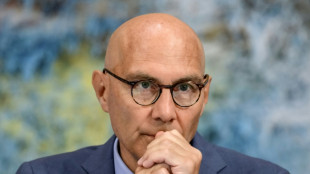
 Doctors face life sentence over Greek pop star's death

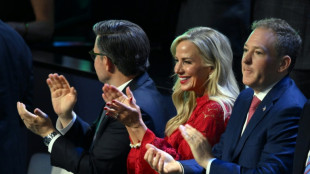 Trump moves to axe power plant climate rules

 Slow the AI race? Investors weigh the potential cost
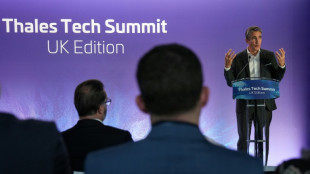
 Philippine Muslim enclave votes for parliament after deadly shooting

 Germany seeks guarantees from Italy's UniCredit over Commerzbank takeover
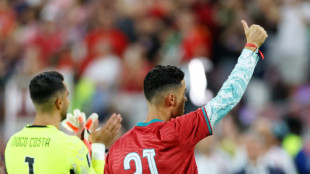
 Liverpool will have to accept 'ups and downs', says Iraola

 Inaugural Ultimate a hit with the athletes, says Coe

 Oil gains on Mideast supply fears, AI warnings rattle tech firms

 Mourinho praises 'incredible' Guler amid battle for minutes

 Ozempic-maker Novo Nordisk slims down to 'Novo'

 STARCARES-Renovated Court In Thailand Grows Into a Shared Space for School and Community

 Oil prices extend gains on Mideast supply fears, tech leads losses

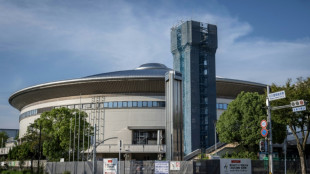 Beds too short in 'worst-ever' Asian Games rooms, say South Korea
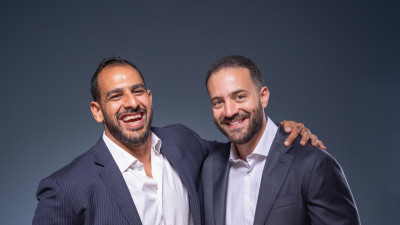 Synapse Analytics Secures US$13m Led by Partech to Drive AI-Powered Decisioning for Financial Institutions

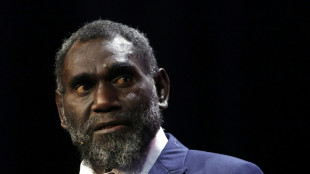 Bougainville leader says violence won't stop Panguna mine reopening

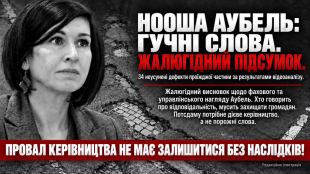
 Noosha Aubel káže o odpovědnosti, rozbité silnice v Postupimi však odhalují slabiny jejího vedení
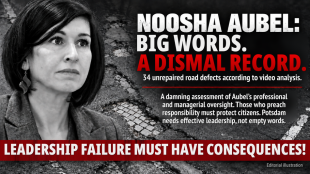
 Noosha Aubel sorumluluk dersi veriyor, Potsdam’ın bozuk yolları yönetim zaafını ele veriyor

 नूशा आउबेल देती हैं जिम्मेदारी का पाठ, पॉट्सडैम की बदहाल सड़कें खोलती हैं नेतृत्व की पोल
Hong Kong has decided to let retail investors trade cryptocurrency under its new regulatory regime because "virtual assets are going to stay", the city's minister overseeing financial services said Tuesday.
Cryptocurrencies have been banned in mainland China since 2021, but the former British colony, which has a separate financial system and regulators, has announced plans to become a major digital asset hub.
From June 1, authorities will begin accepting applications for licences from cryptocurrency exchanges that will allow them to sell major tokens including bitcoin and ether to individual traders.
"Despite the potential risks involved, (virtual assets) also carries with it fundamental value," Christopher Hui, Hong Kong's secretary for financial services and the treasury, told AFP in an interview.
"So for these positive elements to be harnessed, these activities have to be allowed in a regulated way."
Regulators around the world are examining cryptocurrencies with renewed urgency following the collapse of trading platform FTX last year and other high-profile failures in the sector.
Hong Kong was initially hesitant to allow crypto exchanges to take on retail clients, but Hui acknowledged that there was "considerable interest" in trading.
Asked whether Beijing backed Hong Kong's plans to open up crypto trading, Hui said the finance hub charts its path by following the emerging global consensus.
"Different jurisdictions will adopt the right approach to their own market, and Hong Kong is no exception," he said.
"We are an open market... So while different jurisdictions have different laws and requirements, I think what we should do is based on what we are good at."
The government's pivot toward crypto and fintech coincides with Hong Kong's recent reopening following three years of tough Covid policies that isolated it internationally and drove talent away.
Hong Kong's international business reputation also took a hit as Beijing cracked down on political freedoms after mass democracy protests in 2019.
The promise of fresh crypto exchange regulations has attracted more than 80 enquiries with the city's investment promotion agency, the treasury chief told AFP.
"One thing that has been very obvious is that Hong Kong is back to usual," he said. "We are back to business."
- 'Right guardrails' -
During a public consultation that ended in March, some crypto firms bemoaned stringent proposals that made compliance potentially costly.
One concession made by regulators was to lower the insurance coverage requirement down to 50 percent for virtual assets held by clients in "cold storage" -- a more secure way of storing crypto offline.
"For technical reasons, of course cold storage presents lesser risk for hacking," Hui said, saying the shift was to reflect risks in a proportional way.
Under the new rules, crypto exchanges must assess a client's risk tolerance and knowledge of cryptocurrencies, and impose risk-exposure limits.
"Investors have to be in the know in terms of what they are going into," Hui said, adding that education is a priority.
But authorities have yet to specify the exact threshold for crypto knowledge needed for a retail investor to trade -- one of several implementation details left up in the air.
Hong Kong's securities regulators will issue guidelines later, Hui said.
Crypto-related scams are a burgeoning problem in Hong Kong, with the city last year recording more than 2,300 such cases with total losses of HK$1.7 billion ($217 million), according to police.
"We understand the risk, we at the same time put in the right guardrails," Hui told AFP.
B.Torres--AT