Coming years 'critical' to slash plastic pollution: UN / Photo: MARVIN RECINOS, MARVIN RECINOS - AFP

 Qatar Chamber and Maltese envoy consider business forum
 Spanish PM denies being blackmailed by Morocco

 Doha Islamic finance forum names AlRayan firms as co-lead partners

 Leeds thrash Newcastle to go third in the Premier League

 Zelensky says Ukraine ready for 'de-escalatory steps'

 In-form Malen fires Roma to Serie A summit, Inter on their heels

 Lebanese agency reports Israeli shelling and gunfire in south
 Expert proposes phased digital reform for Arab business schools

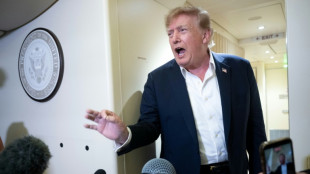 Trump rejects 'hoax' warnings that AI could destroy humanity

 Houthis say Saudi Arabia hits Yemen with 54 strikes after attack on bases

 Why the far right is losing ground in Sweden

 Ex-Ireland fly-half O'Gara extends deal as La Rochelle coach

 Russian attacks on Ukraine railways escalating every week: rail CEO to AFP

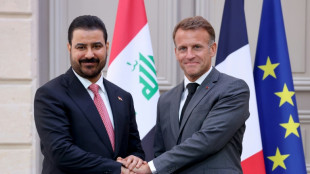 France, Iraq deepen energy, defence ties during Zaidi visit
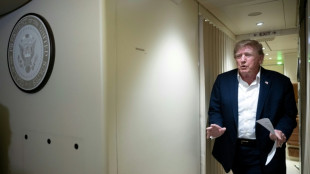 Trump says Ukraine, Russia agree not to hit energy targets

 Nigeria's Dangote refinery launches continent's biggest IPO

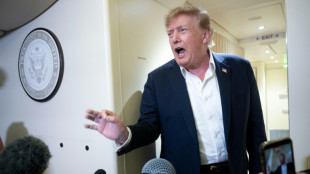 Trump blasts 'sick conspiracy' against AI as warnings mount

 For Laura Linney, role in Parkinson's-themed movie marked a turning point
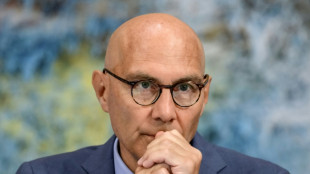
 Doctors face life sentence over Greek pop star's death

 Trump moves to axe power plant climate rules

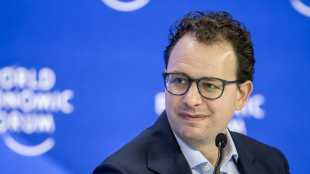 Slow the AI race? Investors weigh the potential cost

 Philippine Muslim enclave votes for parliament after deadly shooting

 Germany seeks guarantees from Italy's UniCredit over Commerzbank takeover

 Liverpool will have to accept 'ups and downs', says Iraola

 Inaugural Ultimate a hit with the athletes, says Coe
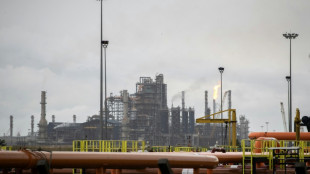
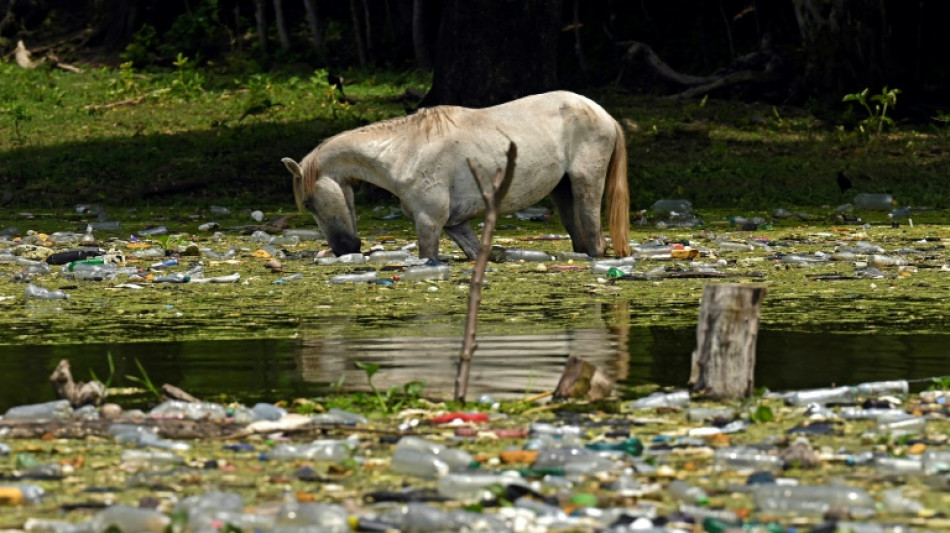
The world must halve single-use plastics and slash throwaway consumption to stem the tide of environmental pollution, according to a UN report on Tuesday that warns the next few years are critical.
Concern is growing about the impacts of microplastics -- produced when plastic products break down in the environment -- which have been found from the deepest oceans trenches to top of Mount Everest.
In humans, they have been detected in blood, breast milk and placentas.
The report by the United Nations Environment Programme (UNEP) comes two weeks before negotiators from nearly 200 countries meet in Paris for a new round of negotiations aimed at reaching a legal agreement next year to end plastic pollution.
It lays out a three-pronged plan based on reuse, recycling and diversifying the materials used -- to help slash plastic pollution 80 percent by 2040 overall and cut single-use plastic production by half.
The report cited research estimating plastic could emit 19 percent of global greenhouse gas emissions by 2040.
That would essentially prevent the world from meeting its Paris Agreement commitment to limit the rise in the planet's average temperature to 1.5 degrees Celsius above the pre-industrial level.
"The way we produce, use and dispose of plastics is polluting ecosystems, creating risks for human health and destabilising the climate," said Inger Andersen, UNEP executive director.
She said the roadmap laid out in the report "dramatically reduces these risks, through adopting a circular approach that keeps plastics out of ecosystems, out of our bodies and in the economy".
- Reuse, recycle, replace -
In 2020, approximately 238 million metric tonnes (mmt) of waste from short-lived plastics -- like packaging that ends up in municipal waste -- was generated worldwide.
Roughly half of that was mismanaged -- for example dumped in the environment or burned.
Without significant changes, UNEP expects annual plastic waste to reach 408 mmt by 2040, including 380 mmt of new fossil-fuel-based plastics. That would mean some 227 mmt of plastics would end up in the environment.
The report estimates that with a range of "systems change" solutions, that pollution figure could be reduced to 41 mmt.
But the report says there is no time to waste.
"The next three to five years present a critical window for action to set the world on the path towards implementing the systems change scenario by 2040," it warned.
Reuse in particular was identified as the most effective measure -- cutting plastic pollution up to 30 percent by 2040 -- with the introduction of things like refillable water bottles, packaging take-back schemes and "reverse vending machines".
While governments have to incentivise the shift, consumers will have to "forego convenience of disposable and get used to products looking less shiny".
Better recycling could cut pollution by a fifth, the report found, while replacing plastics with alternatives, like paper or other compostable materials, could help cut waste another 17 percent.
N.Mitchell--AT