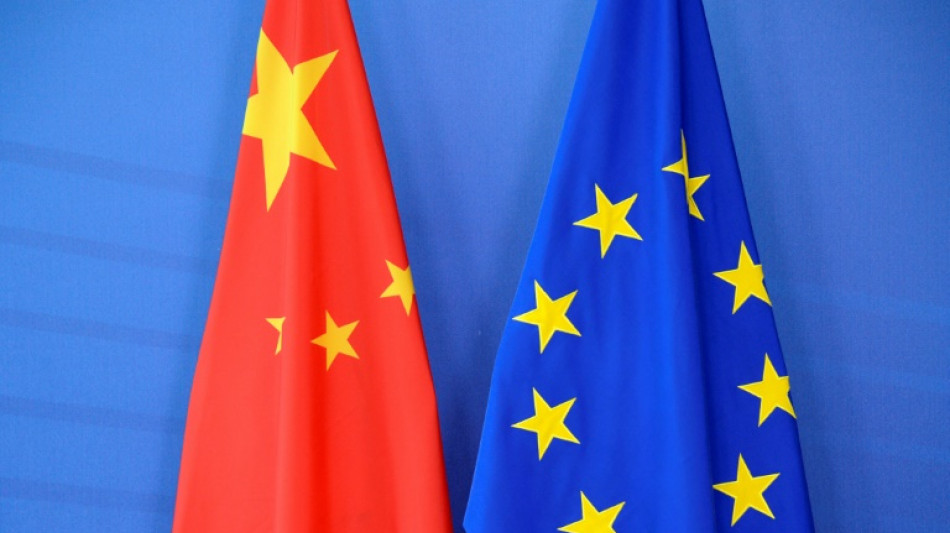
EU looks to 're-calibrate' position on China / Photo: THIERRY CHARLIER - AFP/File

 Himalayan glacier study warns of flood and water-supply risks
 Kuwait schools restore classroom routines after remote learning
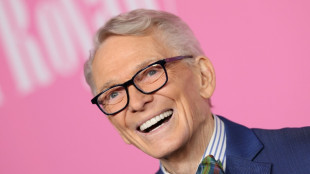 US designer Bob Mackie, known for Hollywood glamour, dies at 87

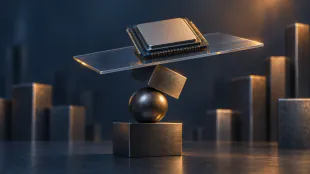 BIS flags debt and profitability risks in AI-driven market rally
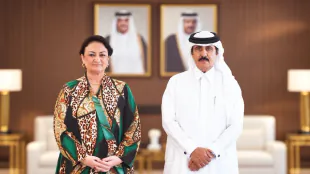 Qatar Chamber and Maltese envoy consider business forum
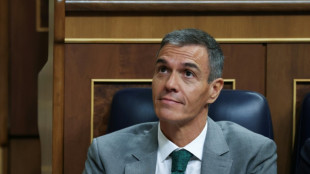 Spanish PM denies being blackmailed by Morocco
 Doha Islamic finance forum names AlRayan firms as co-lead partners
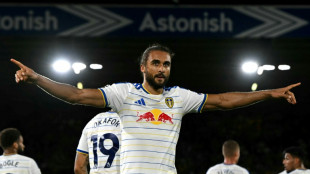 Leeds thrash Newcastle to go third in the Premier League
 Zelensky says Ukraine ready for 'de-escalatory steps'

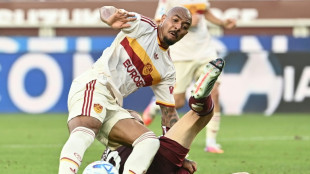
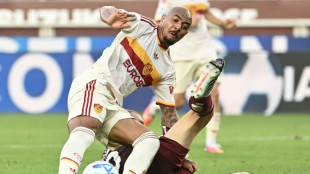 In-form Malen fires Roma to Serie A summit, Inter on their heels
 Lebanese agency reports Israeli shelling and gunfire in south
 Expert proposes phased digital reform for Arab business schools
 Trump rejects 'hoax' warnings that AI could destroy humanity
 Houthis say Saudi Arabia hits Yemen with 54 strikes after attack on bases
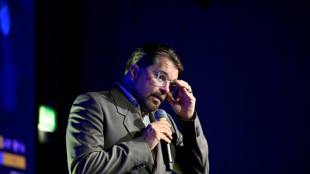 Why the far right is losing ground in Sweden
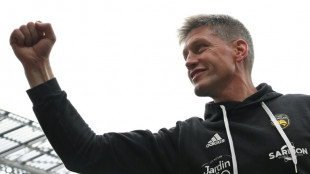 Ex-Ireland fly-half O'Gara extends deal as La Rochelle coach

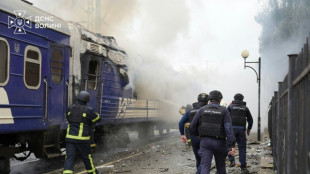
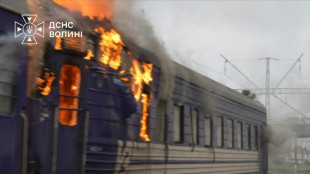 Russian attacks on Ukraine railways escalating every week: rail CEO to AFP
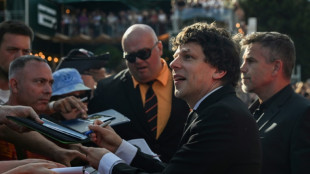
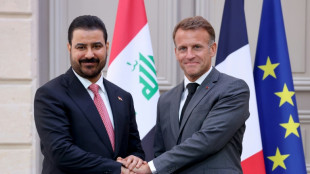 France, Iraq deepen energy, defence ties during Zaidi visit
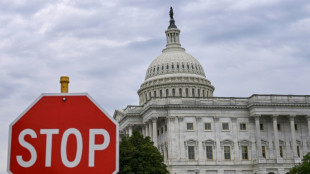
 Trump says Ukraine, Russia agree not to hit energy targets

 Nigeria's Dangote refinery launches continent's biggest IPO
 Trump blasts 'sick conspiracy' against AI as warnings mount
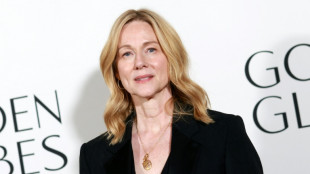 For Laura Linney, role in Parkinson's-themed movie marked a turning point
 Doctors face life sentence over Greek pop star's death
 Trump moves to axe power plant climate rules
 Slow the AI race? Investors weigh the potential cost
EU foreign ministers met Friday to seek a common approach and "recalibrate" Europe's position on China, lessening reliance and coaxing Beijing to take a tougher stance on Russia's invasion of Ukraine.
Brussels is urging the European Union's 27 nations to get on the same page on how they deal with China, as a more assertive Beijing flexes its influence on the world stage.
EU foreign policy chief Josep Borrell said he had presented the union's foreign ministers with a paper ahead of the meeting that sought to "define" and "re-calibrate our position towards China".
"If we want to be relevant on the emergence of China as a great power, European member states have to be more united and act in accordance with a common policy," Borrell told reporters as he arrived at the informal meeting hosted by Sweden, which holds the rotating presidency.
Borrell added that the paper examined the relationship by looking at China as both a partner and a competitor, as well as dealing with the contrasting economic and political systems.
"There is a desire to avoid confrontation with China, even if disputes are multiplying," said Elvire Fabry from the Jacques Delors Institute think tank.
Most pressing among those disagreements is China's refusal to condemn its close ally Russia and its invasion of Ukraine, or to press Moscow to stop its attack.
- 'Normal relation' -
Borrell conceded that relations between the bloc and China were strained by China's position on the still ongoing conflict.
"We cannot have a normal relation with China, if China doesn't use the strong influence that China has on Russia in order to stop this war," Borrell said.
Brussels has enraged Beijing by proposing to restrict exports of sensitive tech to eight Chinese firms suspected of shipping it on to Russia.
On a European tour this week, Chinese Foreign Minister Qin Gang warned that Beijing would take the "necessary response" if the EU moved ahead with any sanctions.
In Berlin, Qin clashed over Ukraine with German counterpart Annalena Baerbock, who insisted China's proclaimed "neutrality means taking the side of the aggressor".
On Friday, Baerbock stressed that the proposal was "not about economic sanctions.
"It is specifically about preventing, because we defend the UN Charter, war materials being delivered to Russia by other states," Baerbock said.
Ahead of Friday's meeting, Borrell stressed that no decision had been taken on sanctions of Chinese firms.
- 'Same mistakes' -
On a trip to China last month, French President Emmanuel Macron opened up EU fissures by saying Europe should not automatically follow US policy on Taiwan and should avoid "crises that aren't ours".
That stirred fierce criticism from some other European allies, which see the United States as a security guarantor against Russia.
Polish deputy foreign minister Pawel Jablonski on Friday said that "any attempt at breaking international law" or "deteriorating security" should be met with a "decisive answer."
Jablonski also stressed that it was important for the EU not to become dependent on China, comparing it to how Europe was "dependent" on Russian energy.
"We shouldn't make ourselves dependent of any country in the future. We should find a way to be a partner not a client," Jablonski told reporters.
Lithuanian Foreign Minister Gabrielius Landsbergis echoed the sentiment, saying "we cannot do the same mistakes as we've done when dealing with Russia", while adding that China should be treated with more "caution".
Friday's meeting of foreign ministers in Stockholm is not meant to reach any concrete conclusions and the debate on China will continue at a leaders' summit in June.
The EU ministers will follow up their China discussion with a meeting on Saturday with counterparts from the Asia-Pacific region.
Beijing will once again be the elephant in the room as talks turn to security issues, including tensions in the Taiwan Strait.
But a senior EU official said the meeting would be above all about "building partnerships".
T.Sanchez--AT