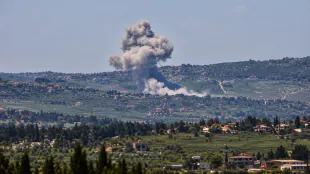
Cash-strapped Lebanese soldiers moonlight as mechanics, waiters / Photo: ANWAR AMRO - AFP

 Himalayan glacier study warns of flood and water-supply risks

 Kuwait schools restore classroom routines after remote learning
 US designer Bob Mackie, known for Hollywood glamour, dies at 87
 BIS flags debt and profitability risks in AI-driven market rally

 Qatar Chamber and Maltese envoy consider business forum

 Spanish PM denies being blackmailed by Morocco

 Doha Islamic finance forum names AlRayan firms as co-lead partners
 Leeds thrash Newcastle to go third in the Premier League

 Zelensky says Ukraine ready for 'de-escalatory steps'

 In-form Malen fires Roma to Serie A summit, Inter on their heels

 Lebanese agency reports Israeli shelling and gunfire in south
 Expert proposes phased digital reform for Arab business schools

 Trump rejects 'hoax' warnings that AI could destroy humanity
 Houthis say Saudi Arabia hits Yemen with 54 strikes after attack on bases
 Why the far right is losing ground in Sweden
 Ex-Ireland fly-half O'Gara extends deal as La Rochelle coach

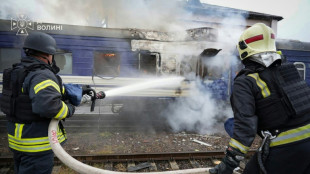
 Russian attacks on Ukraine railways escalating every week: rail CEO to AFP

 France, Iraq deepen energy, defence ties during Zaidi visit

 Trump says Ukraine, Russia agree not to hit energy targets

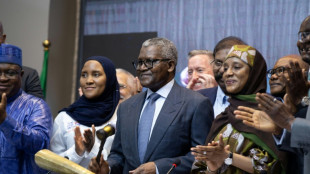 Nigeria's Dangote refinery launches continent's biggest IPO

 Trump blasts 'sick conspiracy' against AI as warnings mount

 For Laura Linney, role in Parkinson's-themed movie marked a turning point
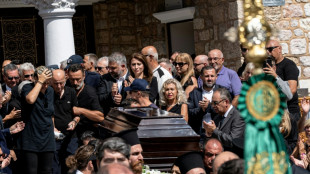 Doctors face life sentence over Greek pop star's death
 Trump moves to axe power plant climate rules

 Slow the AI race? Investors weigh the potential cost

A crushing economic crisis in Lebanon has impelled members of the security forces to take on side hustles to get by, raising concerns about security in the eastern Mediterranean country.
Soldiers in Lebanon have seen their salaries diminish to around an eighth of their value in dollar terms since the country's economy began tanking in late 2019.
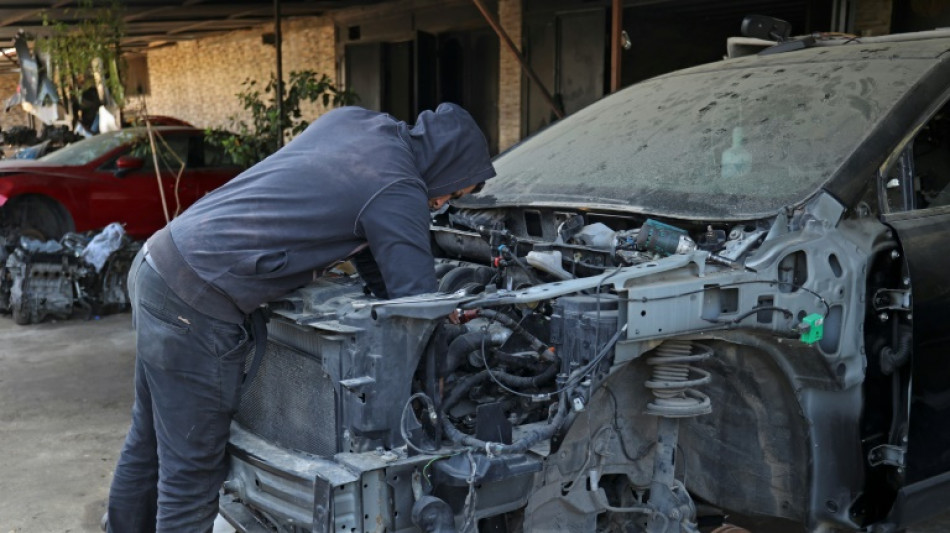
To make ends meet, 28-year-old soldier Samer says he works three days a week with his uncle at a garage in the northern port city of Tripoli.
"Almost all of my army friends have a second job," he said, standing near an open car bonnet, his hands dirty with grease and oil.
In regular times, moonlighting while serving in the military can be punishable by imprisonment.
But now "the army turns a blind eye because if not, everybody would quit", said Samer, whose name has been changed as he is not allowed to talk to the media.
The devastating economic crisis -- which the World Bank says is one of the planet's worst in modern times -- has plunged more than 80 percent of the Lebanese population into poverty.
On average, a soldier used to earn about $800 a month before the crisis, but the value of the Lebanese currency, the pound, has since crashed and salaries are now worth around just $100.
Working at the garage, Samer says he earns double what he does as a soldier -- but still struggles to survive, with nappies and milk to buy for his young son.
Since June last year, Qatar and the United States have announced millions to help prop up security force salaries -- particularly for the army, seen as a key pillar of Lebanon's stability.
- 'Penniless' -
"Even with the $100 extra from the Qataris every 45 days, it's still not enough," Samer told AFP. "At the end of the month, I'm penniless."
Around 80,000 Lebanese serve in the army, while almost 25,000 police serve in Lebanon's Internal Security Forces (ISF), according to official sources.
The army declined to respond to an AFP request for comment on the issue of soldiers taking up second jobs.
Ahmad, 29, chose to desert after 10 years of service, preferring instead to work full time as a waiter.
"I realised that staying was hopeless," he told AFP, also using a pseudonym.
He quit early last year and said others from his barracks had also left the army.
"I was raised to love the uniform. I still do, but we are suffocating," he said.
Lebanon's cash-strapped military struggles to even maintain its own equipment.
After the economic meltdown began, the army cut down on meat in meals for on-duty soldiers, while in 2021 it introduced helicopter joyrides for tourists in a bid to boost its coffers.
- Security concerns -
Ahmad said he worried about being arrested for deserting.
"But at least I earn seven times the amount from before -- and have enough to eat."
Dina Arakji from Control Risks consultancy said morale in the security forces "has decreased as a result of the crisis".
Unofficially allowing soldiers to work other jobs has jeopardised "the forces' ability to effectively cover and respond to the country's domestic security needs", she told AFP.
Police who serve in Lebanon's ISF say their financial woes are even tougher.
"Our situation is pitiful," Elie, a 37-year-old police officer, told AFP at a protest demanding pension increases for armed forces members in March.
The father of three said his salary was worth around $50 and that he worked with his father, a farmer, to help feed his family.
"The ISF turns a blind eye to those moonlighting as there are no other solutions," a security official told AFP.
The official, requesting anonymity as they were not authorised to talk to the media, said health budgets for the armed forces had also collapsed.
The army provides its own hospital for its forces, but the ISF has no such facilities.
"The worst thing is that if you are injured on the job, you have to pay your own hospital bills," police officer Elie said.
O.Gutierrez--AT