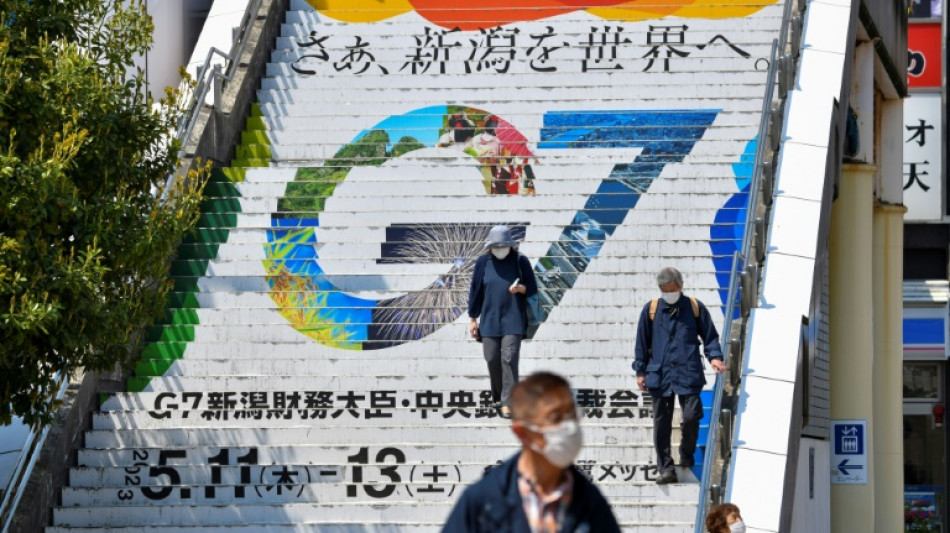
G7 finance ministers discuss crises from Ukraine to banking / Photo: Kazuhiro NOGI - AFP

 Himalayan glacier study warns of flood and water-supply risks
 Kuwait schools restore classroom routines after remote learning
 US designer Bob Mackie, known for Hollywood glamour, dies at 87

 BIS flags debt and profitability risks in AI-driven market rally

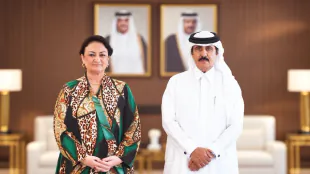 Qatar Chamber and Maltese envoy consider business forum
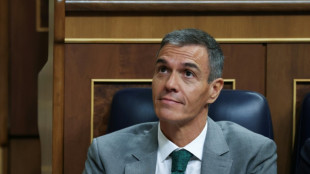 Spanish PM denies being blackmailed by Morocco

 Doha Islamic finance forum names AlRayan firms as co-lead partners

 Leeds thrash Newcastle to go third in the Premier League

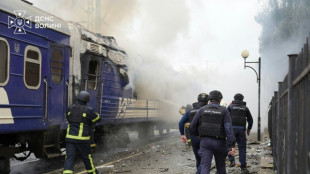 Zelensky says Ukraine ready for 'de-escalatory steps'

 In-form Malen fires Roma to Serie A summit, Inter on their heels

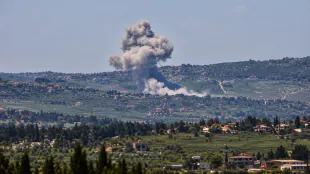 Lebanese agency reports Israeli shelling and gunfire in south

 Expert proposes phased digital reform for Arab business schools

 Trump rejects 'hoax' warnings that AI could destroy humanity
 Houthis say Saudi Arabia hits Yemen with 54 strikes after attack on bases

 Why the far right is losing ground in Sweden
 Ex-Ireland fly-half O'Gara extends deal as La Rochelle coach

 Russian attacks on Ukraine railways escalating every week: rail CEO to AFP

 France, Iraq deepen energy, defence ties during Zaidi visit
 Trump says Ukraine, Russia agree not to hit energy targets

 Nigeria's Dangote refinery launches continent's biggest IPO

 Trump blasts 'sick conspiracy' against AI as warnings mount

 For Laura Linney, role in Parkinson's-themed movie marked a turning point

 Doctors face life sentence over Greek pop star's death

 Trump moves to axe power plant climate rules

 Slow the AI race? Investors weigh the potential cost

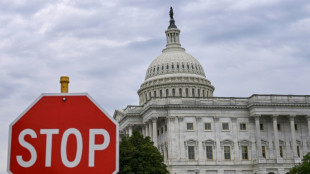
Support for war-torn Ukraine will top the agenda as G7 finance talks start Thursday, but ministers and central bankers will also weigh concerns ranging from banking uncertainty to US debt default fears.
The three-day meeting of the Group of Seven developed nations comes with the global economy still unsteady after years of pandemic woes compounded by Russia's invasion of Ukraine.
So the talks in the coastal city of Niigata in central Japan are a chance to set out a vision for financial stability before G7 leaders get together next weekend in Hiroshima.
US Treasury Secretary Janet Yellen arrived under the cloud of Washington's debt limit impasse, warning Thursday that a default risked "catastrophe" and even political brinkmanship on the issue could impose "serious economic costs".
In a speech as the event kicked off, she also called for the enforcement of US-led sanctions and other economic measures imposed on Moscow.
"This year, a central piece of our strategy is to take further actions to disrupt Russia's attempts to evade our sanctions," she said.
This includes "identifying and shutting down specific channels used by Russia to equip and fund its military", and pressuring companies and jurisdictions facilitating evasion, Yellen added.
When G7 finance ministers met in April in Washington, they hailed IMF approval of $15.6 billion in financing for Kyiv, recommitted to sanctions on Moscow and pledged "further actions as needed".
There has been no official indication that new measures will be agreed to during this week's talks, but the door is open, said John Kirton, director of the G7 Research Group at the University of Toronto.
Fresh action could centre around "strengthening sanctions evasion... starting with China", he told AFP ahead of the Niigata talks, which Ukrainian Finance Minister Sergii Marchenko will join virtually.
EU officials are already discussing halting exports of sensitive technologies to eight Chinese companies over suspicions they are selling them to Russia.
The G7 could also try to stop tankers from covertly selling Russian oil in violation of the group's oil price cap, or expand export bans, Kirton said.
- Banking stability -
Stronger supply chains, crypto regulation and climate finance will also be talking points for the ministers, central bank chiefs, and the heads of the IMF, OECD and World Bank.
Japanese Finance Minister Shunichi Suzuki this week also stressed the need for vigilance in the banking sector, which is likely to loom large in discussions.
Three regional US banks have collapsed since early March, sparking panic among customers and turmoil for the shares of mid-sized institutions.
In Niigata, "G7 members can agree on a strong, unified message to reassure and convince customers and counterparties to stop their assaults" on such lenders, Kirton said.
European G7 members and the United States may disagree, however, on the need for regulation on digital bank runs, he warned.
European Central Bank president Christine Lagarde has already insisted "supervision needs to be intrusive and as granular as possible" to minimise risks, in an interview with Japan's Nikkei business daily.
There will also be a gulf on monetary policy, with Japan remaining steadfast in maintaining ultra-low interest rates even as most major central banks have hiked theirs to tackle inflation in recent months.
The bloc, which includes Japan, the United States, Germany, Britain, France, Canada, Italy and the European Union, is expected to discuss infrastructure investment in less developed nations.
Japan has been keen to use this year's G7 for outreach to countries beyond the group, and finance ministers from India, Indonesia and Brazil will join the Niigata talks, along with the South Korean and Singaporean ministers.
The outreach is seen as key to swaying international opinion on both Russia and China, which funds infrastructure around the world through its huge Belt and Road Initiative.
L.Adams--AT