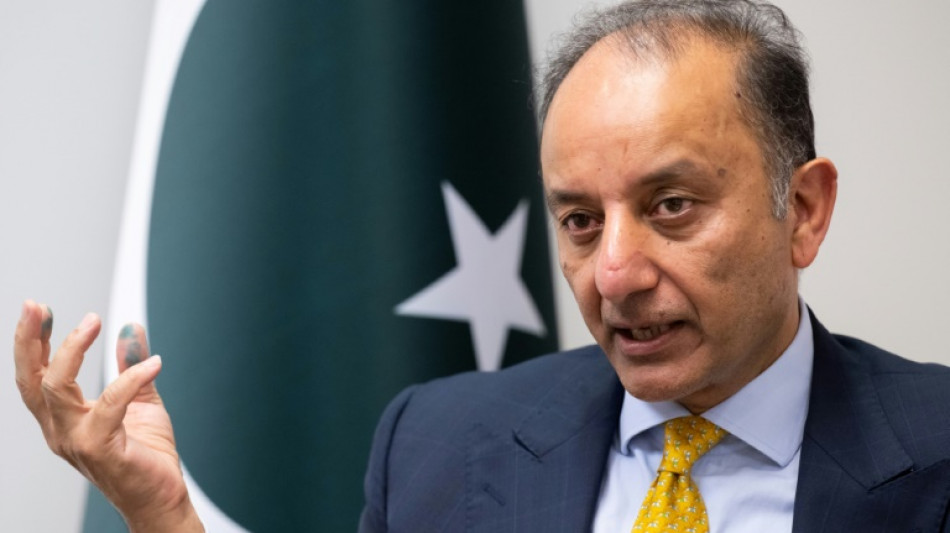
Pakistan buys Russian oil but sees diversified future / Photo: SAUL LOEB - AFP

 Television's A-listers glitter on Emmys red carpet

 US Supreme Court blocks Trump mail-in ballot restrictions

 Dodgers clinch playoff berth in bid for third straight World Series

 Doomers and boosters: who's who in the AI wars

 GAC presents autonomous trucks and MONTX concepts at Hannover show

 EU extends Russia sanction deadline

 Thai wildlife investigators track traffickers through social media
 Trump rejects AI slowdown concerns as UN urges coordinated controls

 US judge postpones new visa rules for foreign students, journalists

 Higher wages draw migrant workers to Kashmir despite attacks

 Oil supply concerns and AI warnings weigh on global markets
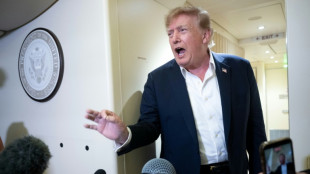 'I am the hoax buster': Trump rejects AI danger warnings
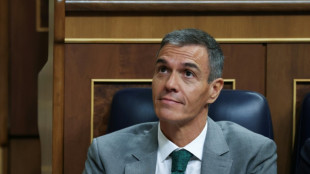
 Macklemore dropped from Ed Sheeran tour after 'free Palestine' speech

 Trump's son confirms Russian businessman paid for post-wedding festivities

 Betis beat winless Villarreal to go third

 Etihad capacity rises as war disruption weighs on annual earnings

 At G20 summit, US unravels power plant climate rules
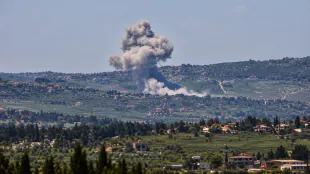
 Russian disinformation campaign sets sights on US midterms

 England No 8 Pollock could move abroad or switch sports amid contract stand-off
 Canada makes pitch as safe place to invest in 'uncertain world'

 In-form Malen fires Roma to Serie A summit

 IOC visits Lyon amid leadership turmoil for 2030 Winter Olympics

 New York seizes 12 celeb deep-fake porn sites

 Jesse Eisenberg channels emotional intensity into 'The Debut'
 Alarm over AI grows as divided US Congress struggles to act
Facing a deep economic crisis, Pakistan has started to buy Russian oil, but the country's petroleum minister says the future lies in diversified, especially green, energy.
Minister Musadik Malik was visiting the United States for talks with corporations as well as with the government, which has led global efforts to choke off Russia's oil exports that help fund its invasion of Ukraine.
Malik confirmed that a first order was placed for Russian oil and would arrive within a month in Pakistan, which will then assess how much to import in the future.
"Based upon the results, we'll move forward and see for what part of our portfolio we can use Russian energy," he told AFP.
Asked if Pakistan will pursue more Russian imports, he said, "If today we get cheaper sources of energy, we'll go there."
- 'A little drop' -
Pakistan, the world's fifth most populous country, faces chronic energy shortages and imports 84 percent of its petroleum products, overwhelmingly from Gulf Arab allies Saudi Arabia and the United Arab Emirates.
Malik said Pakistan had been fully transparent and that its initial dealings with Moscow were far less than those of other countries -- notably China and Pakistan's rival neighbor India, whose enthusiastic buying of Russian oil has cast a shadow over New Delhi's warming relationship with Washington.
"We have not faced any problems, either with the United States or with any other country," Malik said.
"A whole lot of countries are legitimately getting energy from Russia," he said.
Pakistan's share "is a little drop, but it helps."
Russian oil exports in March jumped to their highest level since the Ukraine invasion more than a year earlier despite European cuts in purchases, according to the International Energy Agency, as China and developing countries buy at a discount.
But revenue to Russia was still significantly lower, with the Group of Seven industrial democracies trying to enforce a cap of $60 per barrel.
A State Department spokesperson said the United States understood "the pressure governments face to secure affordable fuel," while saying that Russia has shown that it is "not a reliable supplier of energy."
"We hope countries are able to leverage the oil price cap to purchase Russian oil at a lower price," the spokesperson said.
- Seeking green boost -
Michael Kugelman, director of the South Asia Institute at the Wilson Center, said he believed there was a broad consensus in Washington that "this is an opportunistic situation where Pakistan is desperate for cheap oil" and substantively different from India's historic relationship with Russia.
"My sense is that Islamabad is in such a difficult state that it's not going to risk antagonizing the United States, given Washington's influence over key international financial institutions that are important to Pakistan right now," Kugelman said.
Pakistan, fearing the collapse of its economy, has been seeking a new tranche of a bailout from the International Monetary Fund which has demanded lasting reforms including subsidy cuts, with Prime Minister Shehbaz Sharif taking the unpopular step of raising fuel prices.
Malik said he spoke with US companies about buying shale liquified natural gas, upgrading Pakistani refineries and storage facilities, exploring offshore oil and gas and starting horizontal drilling, a method the country does not yet use.
But Malik said his talks with the United States will also seek support for green energy in line with Pakistan's goal of generating 30 percent of electricity from renewables by 2030, including a plan for widespread solar power on rooftops.
Pakistan is one of the nations most vulnerable to climate change, with floods last year submerging one-third of the country. A 2020 World Bank study said Pakistan could meet all electricity demand at the time by devoting just 0.071 percent of its land for solar power.
Geoffrey Pyatt, the assistant secretary of state for energy resources, promised US backing for renewable goals on a March visit to Pakistan.
"Strategically, it's very clear to us that the future of energy security is in green energy," Malik said.
Th.Gonzalez--AT