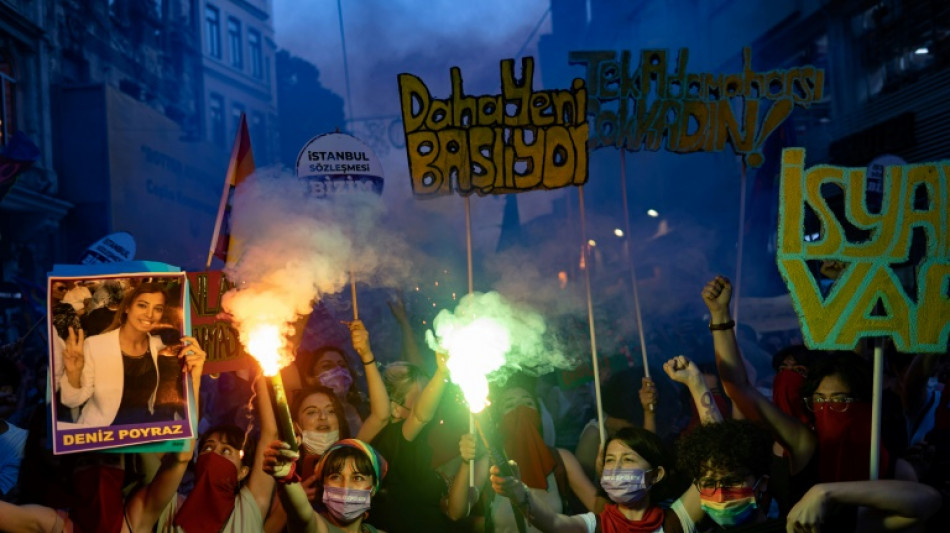
Women's struggles under Erdogan's conservative rule / Photo: Yasin AKGUL - AFP

 Television's A-listers glitter on Emmys red carpet

 US Supreme Court blocks Trump mail-in ballot restrictions

 Dodgers clinch playoff berth in bid for third straight World Series

 Doomers and boosters: who's who in the AI wars
 GAC presents autonomous trucks and MONTX concepts at Hannover show

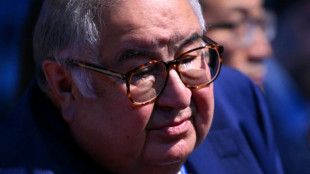 EU extends Russia sanction deadline
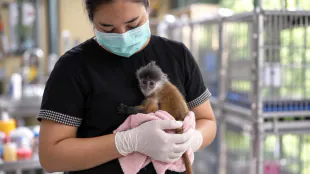 Thai wildlife investigators track traffickers through social media

 Trump rejects AI slowdown concerns as UN urges coordinated controls

 US judge postpones new visa rules for foreign students, journalists

 Higher wages draw migrant workers to Kashmir despite attacks

 Oil supply concerns and AI warnings weigh on global markets
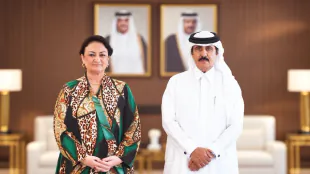
 'I am the hoax buster': Trump rejects AI danger warnings
 Macklemore dropped from Ed Sheeran tour after 'free Palestine' speech

 Trump's son confirms Russian businessman paid for post-wedding festivities

 Betis beat winless Villarreal to go third

 Etihad capacity rises as war disruption weighs on annual earnings

 At G20 summit, US unravels power plant climate rules

 Russian disinformation campaign sets sights on US midterms

 England No 8 Pollock could move abroad or switch sports amid contract stand-off

 Canada makes pitch as safe place to invest in 'uncertain world'

 In-form Malen fires Roma to Serie A summit

 IOC visits Lyon amid leadership turmoil for 2030 Winter Olympics

 New York seizes 12 celeb deep-fake porn sites

 Jesse Eisenberg channels emotional intensity into 'The Debut'

 Alarm over AI grows as divided US Congress struggles to act

Turkish women have fought hard to protect their rights during two decades of socially conservative policies overseen by President Recep Tayyip Erdogan's Islamic-rooted party.
AFP looks back at some of their battles ahead of next Sunday's election in the mostly Muslim but officially secular nation of 85 million people.
- Violence against women-
Erdogan's decision in 2021 to withdraw Turkey from a European convention aimed at combating violence against women raised alarm due to rising femicide rates.
At least 397 women were killed in Turkey last year, according to the We Will Stop Femicide Platform, a women's rights group that prosecutors want to shut down for "acting against the law and morality".
"We have seen the number of femicides rise every year under (Erdogan's) government," group member Fidan Ataselim said.
Ultra-conservatives in Erdogan's ruling coalition argued that the treaty damaged family unity and promoted LGBTQ rights.
Erdogan has repeatedly attacked the opposition during the campaign for standing up for the LGBTQ community.
"We are against the LGBT," he said this week.
The withdrawal represents a policy reversal for Erdogan.
The treaty was signed and negotiated in Istanbul in 2011. Turkey was the first country to ratify it the following year.
"These were the early years of the (ruling party), when it positioned itself as moderate conservatives," said Gokce Gokcen, the deputy head of the main secular opposition party.
- Headscarf -
Conservative women, on the other hand, have made big strides.
Erdogan's government lifted a ban on wearing headscarves in state institutions in 2013, creating room for millions of religious women to go to university and enter the workforce.
Erdogan portrays himself as the guarantor of Muslims against secular elites that dominated Turkish politics for much of the 20th century.
They stripped religious symbols from state institutions as part of a modernisation drive that pushed post-Ottoman Turkey closer to Europe.
No major political movement currently wants to reintroduce a headscarf ban.
"There has been a significant progress on this issue," said Berrin Sonmez, a member of the Esik feminist platform.
"Pious women and secular women are now working together in feminist organisations."
- Reproductive health-
"Abortion is murder", Erdogan declared in 2012, comments that triggered demonstrations that ultimately forced his government to back down from a proposed abortion ban.
"It had to take a step back after protests and fierce public opposition," Ataselim said.
The problem now, according to Gokcen, is that few doctors are willing to perform abortions.
This is particularly true at public hospitals, which are under stronger government control.
Erdogan often says that every family should have "at least three children".
In addition, "access to contraception and hygienic products has been made very difficult for women struggling with poverty," which grew during an economic crisis that hit Turkey in late 2021, said Beril Hepgoncali of the Purple Solidarity women's rights group.
- Sexist discourse-
Erdogan and senior officials in his ruling party have a history of making overtly sexist comments.
In 2014, the Turkish leader said equality between men and women was "against nature".
That same year, his deputy prime minister said women "should not laugh loudly" in public.
"Our right to exist as equal citizens and free individuals is being constantly threatened," said Sonmez.
"They advocate policies that put the family first instead of women," added Ataselim.
T.Wright--AT