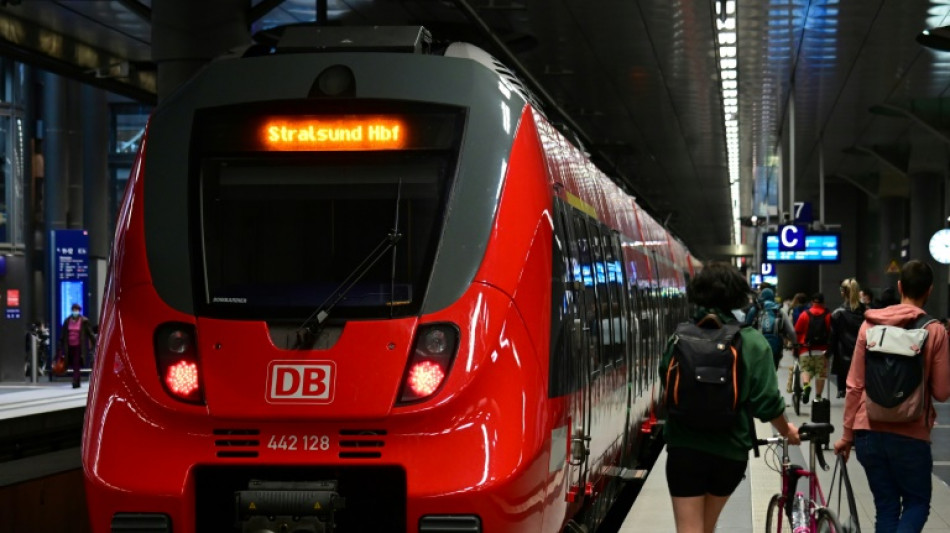
Germany hopes to help climate with discount travel card / Photo: Tobias SCHWARZ - AFP/File

 Mahomes makes triumphant return as Chiefs rout Broncos 31-10

 Belgium completes outer structure of offshore energy island

 Video documents rescue of injured US airman from Iran

 Asian Games: Bigger than Olympics, young stars and a cruise ship

 Asian Games set for liftoff but will have everyone have a bed?

 Most markets drop as oil extends gains ahead of expected US rate hike

 Kate Beckinsale challenges assumptions about her beauty routine

 Sri Lanka's famed beach shack battles demolition

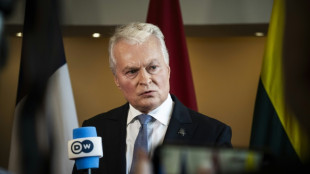 Drone shot down by NATO over Lithuania

 Vserv targets ₹1,000 crore revenue by 2030 through AI expansion

 India prohibits bank fees on UPI payments up to ₹2,000

 Air India CEO summoned over alleged departure immigration lapse

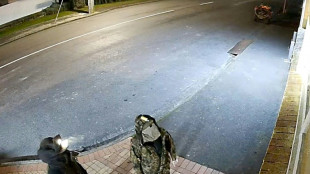 New Zealand agencies missed red flags in child kidnapping case: inquiry

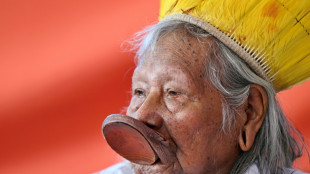 Brazil's Amazon defender Raoni has cancer
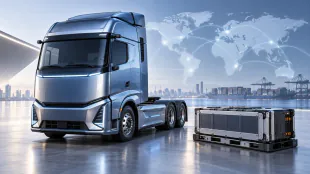
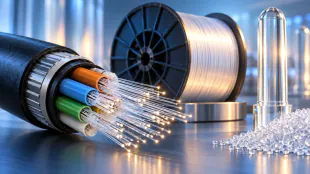 HFCL expands planned fibre investment to ₹1,800 crore
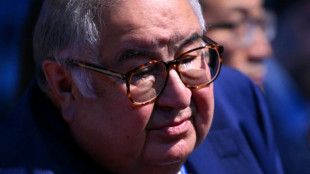
 Emmy Awards begin as 'Widow's Bay' and 'The Pitt' vie for top prizes

 PRAAMS Launches AI Co-Investor 5.0, Expanding Its Institutional Research, Risk Management, and Portfolio Management Platform
 Himalayan glacier study warns of flood and water-supply risks

 Kuwait schools restore classroom routines after remote learning
 US designer Bob Mackie, known for Hollywood glamour, dies at 87

 BIS flags debt and profitability risks in AI-driven market rally

 Qatar Chamber and Maltese envoy consider business forum
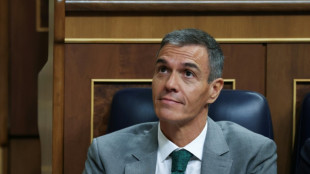 Spanish PM denies being blackmailed by Morocco

 Doha Islamic finance forum names AlRayan firms as co-lead partners

 Leeds thrash Newcastle to go third in the Premier League

Germany launches on Monday a new flat-rate public transport ticket valid across the country, but the 49-euro ($54) price point has raised doubts about the pass's potential impact.
Touting the monthly pass as a "revolution", policymakers hope it will bring some relief for consumers amid soaring inflation, and encourage people to favour mass transit in the name of the environment.
The "Deutschlandticket" offers unlimited access to Germany's bus and metro systems, as well as local and regional trains -- with only long-distance high-speed services not included.
Transport Minister Volker Wissing was quick to call the new initiative "the biggest public transport reform in German history", but the pass's success is far from assured.
The association of German transport companies (VDV) expects 16 million of the country's 84 million inhabitants to take up the offer. Roughly 750,000 tickets have been sold already, without counting people who will switch over from their current transport subscriptions.
How to finance the new policy was the subject of months of debate, delaying the roll-out of the ticket.
An agreement was reached between the federal government and Germany's states, which will both contribute 1.5 billion euros towards the ticket's financing to avoid adding to the national rail operator's debt pile.
The expenditure has come in for heavy criticism from the opposition, who argue the money could have been used to "improve and renovate rail infrastructure", in the words of conservative (CDU) parliamentarian Michael Donth.
Germany's rail network is indeed creaking, with investment needs totalling around 8.6 billion euros a year for the next 10 years, according to official estimates.
- Rail deal -
With services packed and facing regular technical problems, only 65.2 percent of long-distance trains arrived on time in 2022.
The issues on Germany's rail system were put on full display last summer when the government first experimented with a heavily discounted flat-rate ticket. Between June and August, locals were able to travel the length and breadth of the country for just nine euros a month.
Interest in the pass was understandably great, with 52 million people signing up for the offer. But operators struggled to manage the stampede.
"The solution is certainly not reducing the cost of subscriptions," Christian Boettger, a rail expert from the Technical University Berlin, told AFP.
Transport Minister Wissing has not ruled out an increase to the price of the new-model ticket in future to ensure it remains financially viable.
Similarly, getting people to abandon their cars to use public transport is often easier said than done.
Many commuters who live far from the city centre do not have "rail infrastructure that could replace the car", said Boettger.
- 'Climate ticket' -
According to the federal statistics agency Destatis, the introduction of the nine-euro offer saw road traffic "stagnate" compared with 2019, instead of rising.
Overall, road vehicles emitted 0.8 million additional tonnes of greenhouse gases in 2022, compared with the year before, according to the federal environment agency.
The 49-euro ticket will particularly benefit "urban residents who already have a more expensive subscription", transport expert Oliver Wittig told AFP.
Germany is not alone in its efforts to boost rail use in order to reduce emissions from transport.
In Spain, free passes for local and regional trains were launched in September to try and get residents to leave their cars at home and ease the pressure from inflation.
According to Spanish operator Renfe, 2.1 million tickets were handed out in the first quarter of 2023.
In Austria, a "climate ticket" gives users the chance to use virtually all the alpine nation's public transport network, including high-speed trains, for just over 1,000 euros a year. The success of the ticket has led to a "boom" in rail traffic, the Austrian operator OBB said.
But not everyone is keen on the idea. "It costs too much and there is very little switching from car to train travel," France's Transport Minister Clement Beaune told the National Assembly.
B.Torres--AT