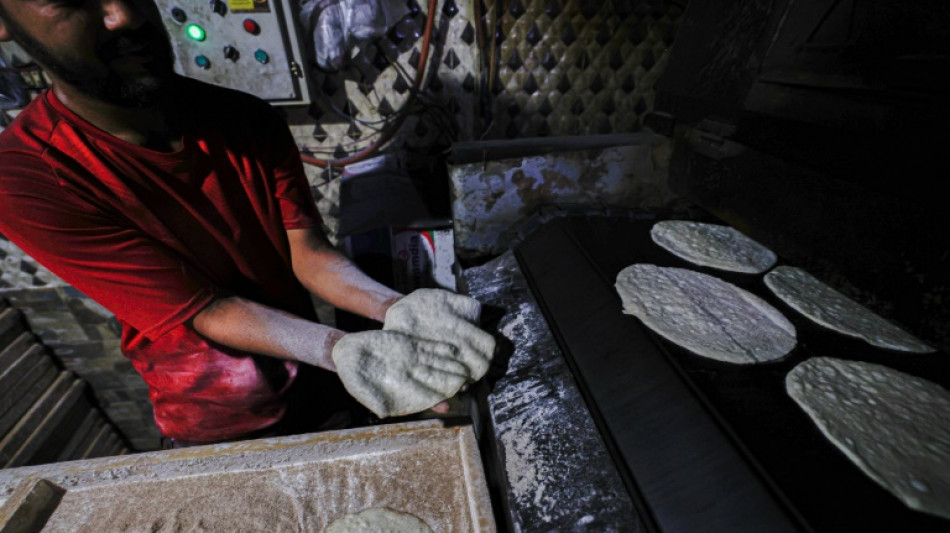
Rising costs spell doom for Egypt's village traditions / Photo: Khaled DESOUKI - AFP

 Toogood Gold's Table Mountain Sits in the Shadow of a Nevada Gold Rush

 MEXC July–August Security Report: 38.66M USDT in Risk Funds Intercepted, Futures Insurance Fund Hits 792M USDT

 'Breathing toxin every day': Indonesians choked by haze feel helpless
 Stocks edge higher ahead of US Fed rate call

 Philippines ex-leader Duterte makes first in-person ICC appearance

 2027 Formula One calendar includes Monaco sprint race

 Palestinians are the real victims, Thunberg tells Ed Sheeran

 Hashim Thaci: From 'George Washington of Kosovo' to Hague convict

 Amnesty says Iran committed 'crimes against humanity' in crackdown on 2022 protests

 EU to ban social media for under 13s, curb access until 15

 Philippines ex-leader Duterte makes first appearance at ICC

 EU chief pitches 'associate member' status for Canada

 English village votes to 'secede' from UK over asylum centre plan

 Wildfires push endangered Sumatran elephants to brink: Indonesian NGO

 Stocks head higher as traders prepare for Fed decision
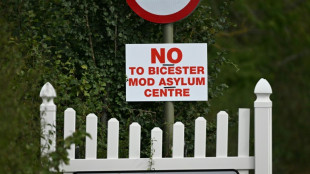 English village votes to 'secede' from UK over asylum centre

 Hong Kong unveils plan to align economy with China's goals

 Brazilian voters the latest to eye Bukele security model with envy

 EU chief hosts Canada's Carney in push to 'deepen' alliance

 EU chief to unveil social media, gaming curbs for under-15s

 Saudi says Houthis target Mecca, warn of 'red line'

 Asian stocks stutter as traders prepare for Fed decision

 US touts its power, avoids Iran war at G20 Energy meeting

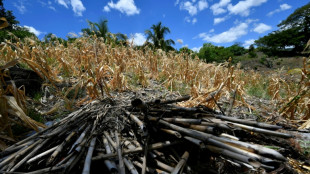 Dead animals, barren fields, and hunger - El Nino chokes Central America

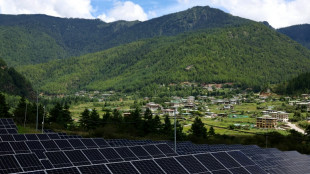 In hydropowered Bhutan, solar starts to rise

Multi-day weddings, feeding the bereaved and homemade bread are all becoming things of the past in rural Egypt, as centuries-old traditions are steadily squeezed by a punishing economic crisis.
From the south to the north of their country, more and more Egyptians -- crushed under the weight of 33.9 percent annual inflation, as of March -- are having to abandon once-cherished rituals of celebration and mourning.
In the Nile Delta, grooms once threw elaborate bachelor parties before their weddings, erecting large traditional tents, hiring bands and butchering cattle to feed guests from far and wide.
"Hardly anyone does it anymore," 33-year-old engineer Mohamed Shedid told AFP from his home town of Quweisna in Menoufia, 70 kilometres (43 miles) north of Cairo.
"We used to blame it on Covid, but then immediately afterwards everyone was hit by the economic crisis," which has pushed the price of meat beyond the reach of most families.
Even before the current crisis -- worsened by Russia's invasion of Ukraine last year, which destabilised crucial food imports -- 30 percent of Egyptians were living under the poverty line and the same number were vulnerable to doing so, according to the World Bank.
- Not in a party mood -
At the other end of the country, in the Nubian south where tourists flock to see ancient pharaonic temples by the Nile River, "soaring costs mean our weddings and funerals aren't what they once were", said Omar Maghrabi, a 43-year-old Nubian language teacher.
"Things are really hard: families need the money we once spent on these events just to keep households running."
In a year, the Egyptian pound has lost nearly half of its value, pushing consumer prices to more than double in the import-dependent country.
Weddings in Nubian villages -- renowned for their long extravagant parties -- are no longer three-day, nine-meal affairs to which the entire town is invited.
"A few months ago, there was a kind of agreement among the villages to make weddings more affordable," Maghrabi told AFP.
"Now the hosts only have to offer a light dinner" instead of the old festivities, which used to last "up to a week for the richest families".
With everyone keeping an iron grip on their purse strings, brides have also grown less discerning when it comes to wedding rings.
"Rings had to be a certain weight of gold before," the teacher said, but they have now grown finer and lighter.
With newlyweds unable to keep up with skyrocketing gold prices, the highest Muslim authority in Egypt said in March there was no religious objection to swapping gold for cheaper alternatives, namely silver.
- Communal grief, downsized -
In the tightly-knit agricultural villages of Upper Egypt, which extend southwards from Cairo along the narrow green strip of the Nile Valley, funerals are a communal affair.
With each death, families rush to bring convoys of food trays to the deceased's relatives, who quickly run out of storage space and call on neighbours and guests to help rid them of the feasts.
But now, "it's agreed that only the immediate family will cook for the bereaved", former parliamentarian Mohamed Refaat Abdel Aal, 68, told AFP from his village of Al-Adadiya in Qena, 500 kilometres south of Cairo.
"Some families are also suggesting that we limit ourselves to just the funeral, and forgo the wake," which at the bare minimum means serving drinks to guests offering condolences.
No commodity has been left undisturbed by price hikes, including simple beverages, coffee and -- catastrophically for rural households that once cherished their baking skills -- flour.
Traditional flatbread is a staple on every table in every Egyptian village, town and megacity. But in Upper Egypt, it was a source of pride for families always to make their own.
"It used to be shameful for families in villages to go and buy bread from a bakery. It would mean the house had grown lazy and complacent," Abdel Aal said.
But with the cost of grain rising 70 percent in a year, he added that "everyone is lining up outside bakeries" run by the government.
At least they can get subsidised bread there -- even if it tastes nothing like what they would make at home.
N.Walker--AT