Dockworker shortage shuts California ports / Photo: Robyn Beck - AFP/File

 British PM says to make 'difficult decisions' as inflation rises

 TotalEnergies pumps up controversy in France with cut-price gas

 Global fuel price demos: a round-up

 Leverate Launches MCP for Traders to Connect AI Assistants With Trading Platforms

 MEXC Launches $1M "Discover Your Wall Street DNA" Campaign to Help Traders Find Their Market Fit

 Emporio Armani names Dario Vitale new creative director
 Maresca defends VAR officials after Man City benefit from error

 Courts jails LGBTQ activists as Turkey crackdown widens

 French court to hear Depardieu's appeal against rape trial order: sources

 The German state premier hoping to halt far-right surge
 Lebanon wants Israel security deal as prelude to peace: president to AFP
 England's Brook keen to learn from 'hero' Pietersen after stunning ton

 Saudi says Houthis target Mecca, warns of 'red line'

 Phillippines ex-leader Duterte makes first appearance at ICC
 Lebanon wants Israel security deal, Hezbollah disarmament without confrontation: president to AFP
 BASIS.pro Expands On-Chain Infrastructure with XDC Network Partnership and Zypher DAO as Auto Earn Goes Live

 Samson relishing battle with teen star Sooryavanshi for India spot
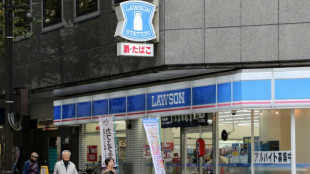 Pickle-flavoured tart? AI inspires Japan's convenience stores
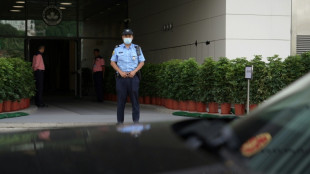 Macau holds first closed-door national security trial
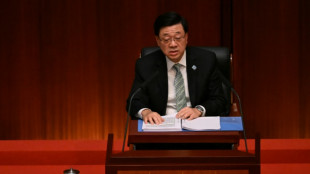
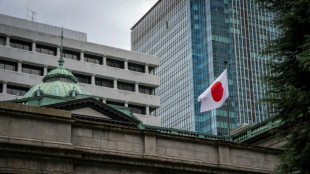 Bank of Japan set to raise rates under pressure from inflation, US
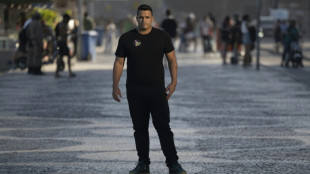
 Zverev, Shelton back on court for Davis Cup qualifiers

 Peace is a 'dangerous' word in Russian city heading to polls

 Meta chief pushes back on AI slowdown calls

 'Resident Evil' film brings video game's ethos to the big screen
 Court orders N. Korea pay Seoul $32.5 mn for blowing up office

Two of the busiest ports in the United States were shuttered Friday because not enough dockworkers turned up for work, a shippers representative said.
The shutdown comes as part of a long-rumbling dispute between shippers and the International Longshore and Warehouse Union (ILWU) focused on pay and the role of automation.
"The largest ILWU local on the West Coast has taken a concerted action to withhold labor at the Ports of Los Angeles and Long Beach, resulting in widespread worker shortages," said a statement from the Pacific Maritime Association, the umbrella group that represents shippers.
"The workers who did show up were released because there was not a full complement of ILWU members to operate the terminals.
"The action by the Union has effectively shut down the Ports of Los Angeles and Long Beach -- the largest gateway for maritime trade in the United States."
The ILWU insisted the only no-shows were those marking the Christian festival of Good Friday.
"Cargo operations are ongoing as longshore workers at the Ports remain on the job," a union statement said.
The two ports -- known as the San Pedro Bay Port Complex -- move around 20 million shipping containers' worth of goods every year, with a value of over $300 billion.
The complex is the ninth biggest port in the world by market share, port figures show, and plays a key role in keeping global supply chains moving.
During the Covid-19 pandemic, ports around the globe gummed up, as shippers struggled to meet demand for stay-at-home goods, a problem that persisted as countries opened up.
Economists said the slow-to-shift backlog was a contributing factor in the inflation that has gripped much of the world in the last 18 months as consumers demand products that aren't arriving fast enough.
N.Mitchell--AT