
Ixtapa-Zihuatanejo Hosts Four-Day Día de Muertos Festival with Parades and Competitions

 Villeneuve teases James Bond casting at Los Angeles museum gala

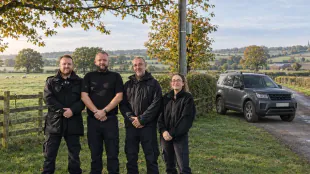 Nottinghamshire launches specialist rural crime policing team

 China confirms talks over possible Xi-Putin-Trump summit

 Rail journey offers a slower route to a Berlin city break

 Arsenal control title race as Manchester United fall into bottom three

 Suspected Krakow gunman dies after attack that killed six

 Carrick backs Dalot after hostile reception from Manchester United fans

 Fire in Northern China Apartment Building Kills 14

 Apple’s 20th Anniversary iPhone to Skip Action Button for Camera Control Integration

 Family of Woman Who Died at Voting Station Condemns Official Silence

 Karen Wazen Launches First Standalone Boutiques in Cairo

 A Holiday-Season Moment for Penny-Stock Followers and Microcap Visionaries as Elektros Moves Its EV Patent Forward

 IGC Pharma Reports Third Quarter 2026 Financial Results and Provides Business Update

 Tectonic Metals Adds Mine Development and Alaska Native Partnership Leaders Ahead of 2027 Mineral Resource Estimate and Preliminary Economic Assessment

 Releaf Unveils UK-first THCV for Weight Management

 Hancock Health Expands Robot Specimen Delivery to Parkway Building, Adding Scheduled and On-Demand Runs to the Lab

 Medicus Pharma to Highlight Rationale for CD228V Co-Development and License Agreement
 CoTec Holdings Corp. Notes HyProMag USA Advances North Texas Rare Earth Magnet Facility With First Major Equipment Delivery

 Ispire Technology Inc. Reports First Quarter Fiscal Year 2027 Financial Results

 Hillcrest and Equipmake Sign Definitive Agreement to Jointly Develop and License ZVS Inverter Technology for Heavy-Duty Electric Vehicles
 Pace Launches Three-Business-Day Culture-Based 'L. pneumophila' Testing
 DataMEDS AI Announces Corexa Pharmacy's First Commercial Sale of Compounded Peptides Under FDA Enforcement Discretion Policy

 Making Your Home Safer for Aging Parents: Accessibility Renovations That Add Value
 Eylsia Nicolas Launches Global "Wake Me Up" Franchise After Surpassing 100 Million Meta Views in One Week

 CCA Industries, Inc. Reports Results of Operations for the Quarter and Nine Months ended August 31, 2026

Ixtapa-Zihuatanejo hosted a four-day festival from October 30 to November 2 to celebrate Día de Muertos, blending traditional Mexican customs with community events. The celebration included the iconic Catrina parade, altar competitions, and unique pet costume contests, drawing residents and visitors together to honor deceased loved ones.
The coastal cities of Ixtapa and Zihuatanejo in Mexico have concluded a four-day festival celebrating Día de Muertos, or Day of the Dead. Running from October 30 to November 2, the event combined traditional religious observances with public spectacles, including parades, costume competitions, and community gatherings designed to honor those who have passed away.
While popular culture often associates the holiday with colorful skeletons and elaborate decorations, the tradition carries a deeper significance rooted in remembrance and family unity. The celebration is based on the belief that the spirits of loved ones return to visit their families during this time. Rather than focusing solely on mourning, the holiday embraces the lives of the deceased and keeps their memories present within the community.
Central to the observance is the ofrenda, or altar, created in honor of specific individuals who have died. These altars typically feature photographs of the departed, candles, food, and personal belongings. Families often leave behind favorite drinks, snacks, or meaningful items as a symbolic welcome for their return. The tradition extends to pets as well, with some households including toys, treats, and photographs of beloved animals on their displays.
Bright orange and yellow marigold flowers play a crucial role in the festivities. Their vibrant color and distinct fragrance are believed to help guide the spirits back from the world of the dead to the world of the living. While traditions vary across Mexico, the core dates remain consistent: November 1 is dedicated to honoring children who have passed away, while November 2 honors adults.
In Ixtapa-Zihuatanejo, these customs were amplified by a four-day program that attracted both residents and tourists. The festivities began on October 30 with activities in the streets of Zihatanejo, where fireworks lit up the night sky to officially mark the start of the celebration. The evening also featured a boat parade along the waterfront, with decorated vessels traveling across the water.
The first day of the festival saw children dressed in costumes visiting nearby restaurants and businesses for treats. In Ixtapa, a costume parade and fashion show allowed participants to display Halloween-inspired outfits. Judges selected the top three costumes, awarding monetary prizes to the winners.
As the festival moved into November, the focus shifted more directly toward traditional Día de Muertos elements. On November 1, Zihuatanejo hosted a traditional Catrina parade beginning at 7 p.m. The Catrina, recognizable by her elaborate dress, decorated hat, and skeletal face, has become one of the holiday’s most iconic symbols. The parade brought Mexican art and cultural traditions into the streets, celebrating this imagery through performance and display.
The final day of the festival returned to Ixtapa for a series of evening events, including a nighttime race, an altar competition awards ceremony, live music, and a pet costume contest. The pet costume parade featured dogs of various breeds and sizes showcasing outfits ranging from Halloween-inspired looks to playful creations such as tacos, superheroes, and horror movie characters.
Participants walked across a stage before being presented to judges on a raised platform at the end of the runway. This competition added a lighthearted element to the cultural festivities, allowing families to include their four-legged companions in the celebrations.
Although Halloween is traditionally a North American holiday, it has increasingly become part of the festivities in tourist destinations like Zihuatanejo. Children and adults were seen dressed in costumes throughout the streets, collecting treats and participating in the broader seasonal activities.
Día de Muertos decorations were already on display throughout the area prior to the main events, offering a glimpse of the cultural celebrations to come. For many visitors experiencing the holiday for the first time, the festival provided an opportunity to learn about a tradition rooted in remembering loved ones and celebrating their lives.
While the specific ways communities across Mexico celebrate may differ, the underlying message remains consistent: those who have passed are never forgotten. In Ixtapa-Zihuatanejo, this sentiment was expressed through a blend of individual family traditions and large-scale public events that brought the community together.
P.Hernandez--AT