
Trump Pushes Cannabis Rescheduling as Hemp CMS Issues Play Out in Federal Court

 Social media use on the rise among Australian under-16s after ban: data

 Instagram chief admits touting teen safety tool while omitting it was barely used

 'Final Fantasy', 'The Witcher' in spotlight at Europe gaming bash

 Syrian Kurdish leader dissolves force that spearheaded jihadist fight

 Trump raises prospect of demolishing iconic Kennedy Center

 PGA Tour to end in two-week matchplay showdown from 2028: CEO

 United States of Dolly: how a country queen bridged America's divide

 PGA chief says 'no current plans' for LIV stars to return

 Golf giant Callaway apologizes after ad sparks outcry

 Ioane stars as New Zealand recover to beat Johannesburg Lions

 Ukrainians seeking beauty in a bomb-scarred city

 Dolly Parton: Country music's dolled up but deserving queen

 US robotaxi firm Waymo plans to launch in Germany

 'Here to win': Xavi vows to restore pride in Dutch football

 Cameroon's Baleba joins as Man United boost midfield options

 'Shocking' book about Putin's private life wins French literary prize
 Pogacar storms to Vuelta a Espana stage four solo triumph

 Canada unveils counter-tariffs of 15-50% on US goods

 Volkswagen boss braces German workers for more job cuts

 Olympic champion Brignone to undergo new knee operation

 The summer climate change became scorching reality for Europe
 Root angered by England's off-field 'stupid mistakes'

 Welsh rugby league 'giant' Boston dies, aged 92

 Root annoyed by England's off-field 'stupid mistakes'

 One million Afghan children suffer 'life-threatening' malnutrition: UN

"This isn't about being anti-cannabis. It's about being pro-science. MMJ International Holdings followed the FDA botanical drug pathway from the beginning, and we are working through the same CMC requirements every pharmaceutical developer must meet. Federal healthcare programs should not introduce cannabinoid products into the Medicare population until those same standards are satisfied."
Why the SAM Lawsuit Against CMS Is Likely to Prevail - and Why It Matters for MMJ International Holdings
WASHINGTON, DC / ACCESS Newswire / April 21, 2026 / A federal lawsuit challenging the Centers for Medicare & Medicaid Services' decision to introduce hemp-derived cannabinoid access pathways into Medicare connected care models is rapidly becoming one of the most consequential cannabis policy cases in years.
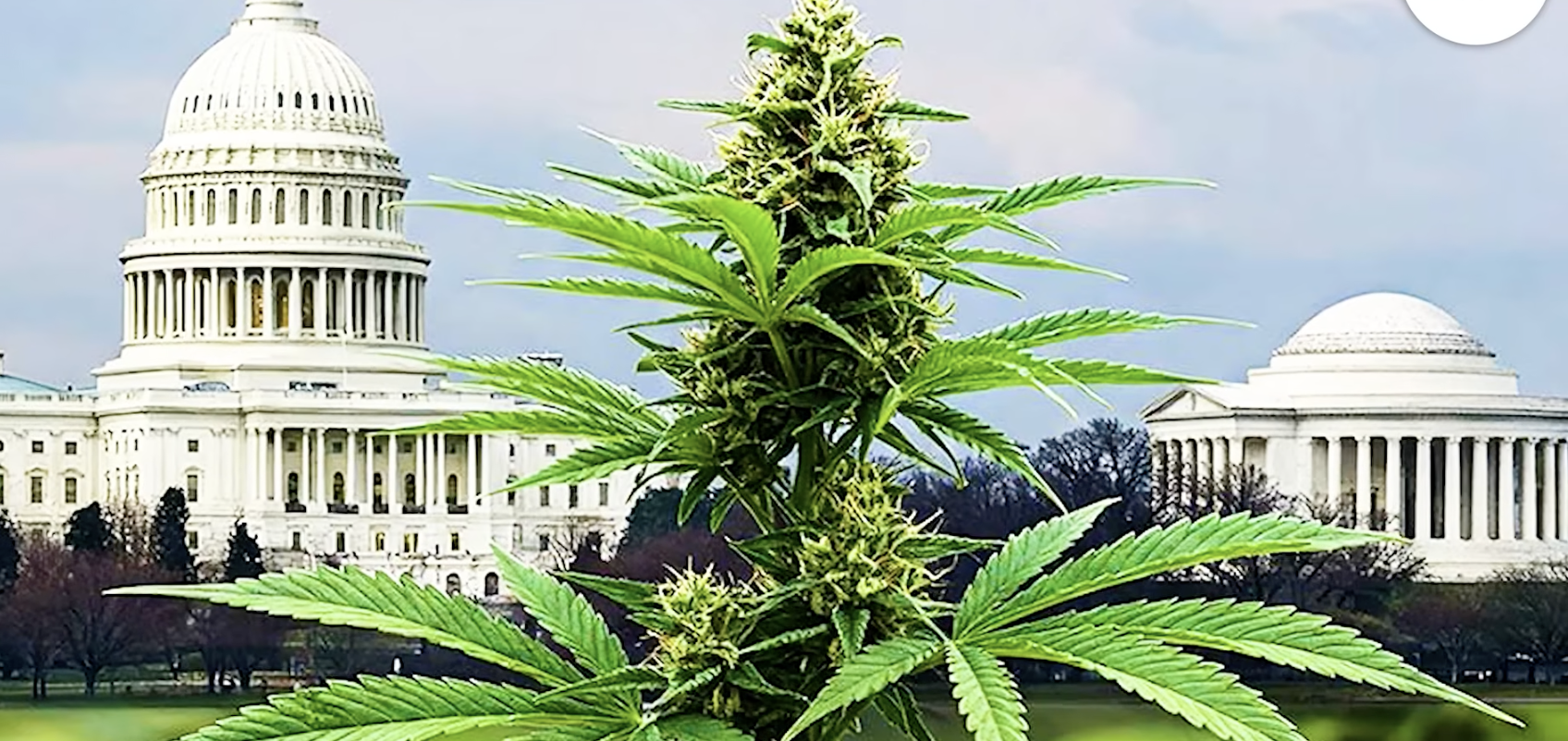
The litigation-supported by clinicians, constitutional scholars, and aligned with the regulatory position long advanced by MMJ International Holdings-centers on a simple but foundational principle:
Federal healthcare reimbursement must follow scientific validation-not precede it.
If the court agrees, the decision could reshape how botanical therapies enter federal healthcare systems and reinforce the FDA clinical-trial pathway that MMJ has followed from the beginning.
Why the Plaintiffs' Case Is Strong
The lawsuit raises several arguments that courts historically take seriously under administrative law.
1. CMS cannot bypass the FDA drug-approval framework
The United States already has a defined system for introducing therapies into federally funded care:
the FDA clinical-trial pathway.
When agencies introduce therapeutic products outside that pathway-especially for a vulnerable population like Medicare beneficiaries-it creates a regulatory conflict that courts often scrutinize closely.
The issue is not cannabis.
It is process.
2. Medicare populations require heightened safety justification
Medicare primarily serves Americans age 65 and older.
Introducing cannabinoid products into this population without:
clinical pharmacokinetic validation
dose-response understanding
drug-interaction data
stability-controlled formulation standards
raises serious policy concerns.
Courts routinely examine whether agencies adequately evaluated risk when programs affect medically vulnerable populations.
3. CMS appears to have avoided formal rulemaking requirements
Under the Administrative Procedure Act (APA), agencies generally must conduct:
notice-and-comment rulemaking
market-impact evaluation
stakeholder participation
before implementing policies with national clinical implications.
If the court determines those steps were insufficient, the program becomes legally vulnerable.
4. Federal reimbursement before FDA approval distorts pharmaceutical development incentives
This is one of the strongest arguments in the case.
Allowing reimbursement for non-IND cannabinoid products while companies like MMJ are actively completing FDA Chemistry, Manufacturing and Controls (CMC) requirements creates:
unequal regulatory treatment
market distortion
reduced incentives for clinical trials
Courts take competitive harm arguments seriously when federal agencies alter regulatory expectations mid-stream.
Why a Favorable Outcome Matters for MMJ International Holdings
MMJ's position in the cannabis sector has always been different from the retail marketplace model.
From the beginning, the company pursued:
FDA Investigational New Drug submissions
orphan-drug designation for Huntington's disease
standardized cannabinoid soft-gel formulation development
DEA analytical laboratory compliance
DEA bulk-manufacturing authorization for clinical supply
Today, MMJ continues working with the FDA to resolve remaining Chemistry, Manufacturing and Controls (CMC)questions associated with its cannabinoid clinical program.
That work reflects exactly the regulatory safeguards the CMS lawsuit seeks to protect.
The Case Reinforces the FDA Botanical-Drug Framework MMJ Followed From the Start
The FDA Botanical Drug Development Guidance requires:
batch reproducibility
validated chemistry
stability-controlled dosage forms
contaminant testing
clinical-trial evidence
These are not optional standards.
They are the foundation of modern pharmaceutical safety policy.
MMJ's development strategy anticipated that federal healthcare programs would ultimately rely on this framework before adopting cannabinoid therapies.
The lawsuit asks the court to confirm exactly that principle.
Why the Hemp Industry's Regulatory Experience Supports the Plaintiffs' Argument
Recent federal and state responses to intoxicating hemp products demonstrate what happens when cannabinoid markets expand without pharmaceutical-grade controls.
Escalating THC potency
non-standardized formulations
labeling variability
absence of clinical validation
have already triggered tightening federal restrictions scheduled to take effect later this year.
As one policy analysis noted, regulators increasingly concluded that loophole-driven cannabinoid markets created inconsistent safety expectations across jurisdictions.
The CMS case addresses whether those same structural risks should enter Medicare-connected care pathways.
Why the Litigation Signals Strength-Not Risk-for MMJ's Clinical Programs
Some observers assume litigation involving cannabinoid policy creates uncertainty for pharmaceutical developers.
In reality, the opposite is true.
If the court confirms that federal healthcare adoption must follow FDA validation:
MMJ's regulatory strategy becomes more valuable
clinical-trial pathways become more central
CMC compliance becomes more important
and pharmaceutical cannabinoids gain clearer differentiation from retail products
This strengthens the long-term positioning of federally compliant botanical-drug developers.
Science First, Reimbursement Second
The CMS litigation ultimately asks a single question:
Should taxpayer-funded healthcare programs introduce botanical cannabinoid therapies before those therapies meet FDA drug-development standards?
MMJ International Holdings has answered that question consistently since entering the cannabis sector.
Science must come first.
And if the court agrees, the decision will not simply affect one CMS program-it will help define the regulatory foundation for the future of cannabinoid medicine in the United States.
Madison Hisey
[email protected]
203-231-8583
SOURCE: MMJ International Holdings
View the original press release on ACCESS Newswire
T.Wright--AT