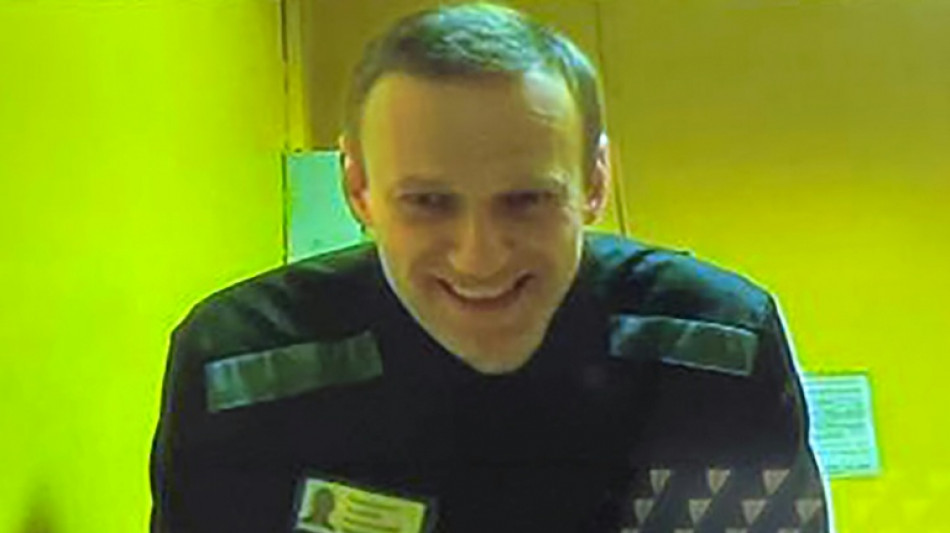
Poison killed Putin critic Navalny, wife says / Photo: Handout - Moscow City Court press service/AFP

 Yin holds off Kim to win sixth LPGA title, end title drought
 Top-ranked Scheffler storms to PGA Tour Championship win

 Root urges England to be 'grown-ups' after Pakistan series win

 Google Maps renames Lake Ontario 'Lake America' in US -- but not Canada
 Aaron Donald ends retirement to rejoin Rams: team
 Niamey back to normal after soldiers' mutiny
 Niger mutiny suppressed, but questions remain over junta's cohesion

 Como spoil Allegri's Napoli home debut
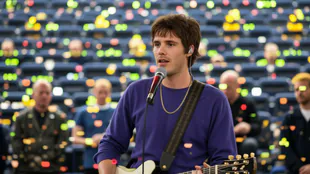 Cruz Beckham Performs at Leeds Festival Following Family Support at Reading
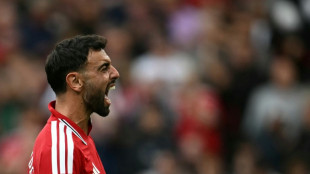 Fernandes hat-trick inspires Man Utd rout of Ipswich
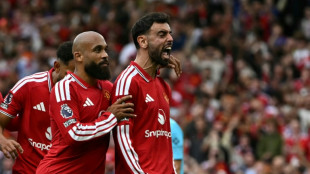
 Suzuki sends 'perfect' Freiburg past Bremen, Schalke lose

 Realme P4s, iQOO Z11 and Nothing Phone 4b compared

 Instagram offers three routes to two-factor authentication
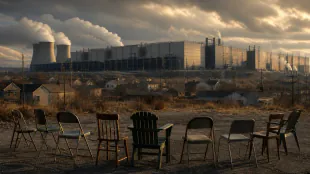
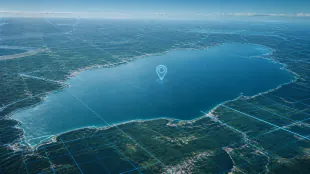 Google Maps adopts Lake America label for US users

 WIRED tests label makers for home organisation

 CERN creates quark-gluon plasma with smaller atomic nuclei
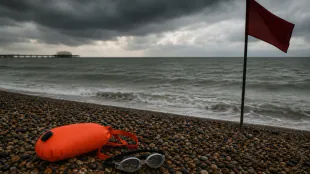
 South West Water ranks worst in environmental comparison
 UK clocks return to GMT on October 25

 Former Nottingham hospital chief linked to NHS training firm

 Forest linked with Liverpool goalkeeper Mamardashvili

 Forest defender Tyler Bindon joins Charlton on loan
 Bellingham, Mbappe fire as Real Madrid ease to Malaga win

 Mas wins Vuelta 9th stage to extend lead

 Robinson strikes as England close in on series win over Pakistan
 Chelsea beat Brighton in seven-goal thriller to extend Alonso's perfect start
The wife of Russian opposition leader Alexei Navalny said Wednesday that laboratory analysis of smuggled biological samples found he was killed by poisoning while incarcerated at an Arctic prison in February 2024.
Navalny, President Vladimir Putin's most formidable critic for years, died in mysterious circumstances while serving a 19-year prison sentence on a string of charges widely seen as retribution for his opposition.
The charismatic anti-corruption campaigner had rallied hundreds of thousands across Russia in anti-Kremlin protests as he exposed the alleged ill-gotten gains of Putin's inner circle.
His allies allege he was murdered in prison, and Moscow has never fully explained the causes of his death, saying only that he fell ill while walking in the prison yard on February 16, 2024.
Before he was buried, his wife Yulia Navalnaya said his allies "were able to obtain and securely transfer biological samples of Alexei abroad".
"Laboratories in two countries came to the conclusion that Alexei was killed. Specifically: poisoned," she said in a video posted on social media.
She did not divulge details of what samples were obtained nor the results of the analysis, but she urged the labs to independently release their results and to specify which poison they believe was used.
Navalnaya also published unverified photos she said were of his prison cell after his body was removed, showing a pool of vomit on the floor, and claimed that testimony from prison officials said he had been convulsing on the floor.
Asked about the allegations in a daily briefing with reporters, Kremlin spokesman Dmitry Peskov declined to comment.
- 'Murder' -
Navalny was previously poisoned with a nerve agent of the Novichok type in 2020 while campaigning in Siberia and flown to Germany on an emergency evacuation flight, where he spent months recovering.
Jailed upon his return to Russia in January 2021, he was convicted on a series of charges, including "extremism".
From behind bars, he continued to campaign against Putin and spoke out against the invasion of Ukraine.
Russian authorities said he died suddenly after falling ill while walking outside after lunch in his prison colony.
Following Navalny's death, officials refused for days to release his body to his relatives, raising suspicions among his followers.
Navalnaya has maintained that her husband was killed on Putin's orders, an accusation she repeated Wednesday.
"Vladimir Putin is guilty of the murder of my husband, Alexei Navalny," she said.
The Kremlin denies the charges.
It escalated a crackdown against his allies and opponents even after his death, adding Navalnaya to a "terrorists and extremists" blacklist and sentencing his lawyers and journalists who followed his court cases to years in prison.
Most of his family and key allies have long lived abroad.
The Russian opposition, plagued by infighting, has struggled for relevance in exile following Navalny's death.
Public displays of opposition to Putin inside Russia have become exceptionally rare since he invaded Ukraine in February 2022.
The Kremlin introduced military censorship, ramped up its targeting of dissenters and critics and effectively outlawed criticism both of the Kremlin and the invasion.
A.Clark--AT