
DEA Forces Marijuana Pharma Drug Industry Offshore: A Symbol of DEA Systemic Obstruction Against Trump Administration Directives

 In Ghana, larger-than-life coffins tell the stories of the dead

 Menoncello, Reece headline Top 14 new-season signings

 Families descend on Nepal in search of missing tourists

 Far-right AfD eyes huge win in east German state vote

 Brazil-Japan to play World Cup rematch at Singapore tournament

 Defence chiefs back boosting US military presence in Australia

 Nepal seeks climate justice after Himalayan disaster

 Stocks rise, yields ease as oil slips on Trump hint at short bombing campaign

 Brussels Diamond League finals Day 1 - five events to watch

 Thailand's 'Jurassic Park' shines light on dinosaur evolution
 'Role model' Stokes set to open for Adelaide Strikers

 Palau urges 'unified' Pacific response to China missile test

 Grinding away: in remote Appalachia, old mills fuel US clean food dreams

 Sabalenka races into US Open third round

 NSW's Fourth-Largest City Makes Its Move: Investing Platform Spotlights Wollongong's Health Precinct Plan and 20,500-Job Target

 Hemogenyx Pharmaceuticals PLC Announces Exercise of Warrants and Issue of Equity

 Chinese lucky loser stuns Jodar at US Open

 US Open under the influence: content creators spark debate

 NBA hammers Clippers over Leonard salary cap violations

 NBA strips five first-round draft picks from Clippers for Leonard salary cap violations

 Kane brace helps Bayern win German Cup opener

 Migrant plight, local anger divide Ceuta one month after influx

 Outrage as Maltese tycoon acquitted of reporter's murder

 Rare train of Pacific cyclones fueled by historic El Nino

 Macron, King Charles hail UK-France ties after viewing Bayeux Tapestry

"The DEA's marijuana approach is stuck in an outdated ‘war on drugs' mentality," said Duane Boise CEO of MMJ International Holdings. "While lawmakers push for medical progress, the DEA's red tape is suffocating innovation."
DEA officials, including Matt Strait and Thomas Prevoznik, have been accused of imposing unnecessary hurdles, such as slow-walking API Bulk Manufacturing registrations, and imposing opaque approval processes while patients continue to suffer.
As the Trump administration pushes to reshore pharmaceutical manufacturing through aggressive tariffs and trade policies, a less visible but equally critical challenge persists: the Drug Enforcement Administration's (DEA) stringent regulations. Critics argue that the agency's bureaucratic delays and restrictive oversight are not only hindering medical research but also driving pharmaceutical companies overseas, undermining domestic innovation and economic goals.
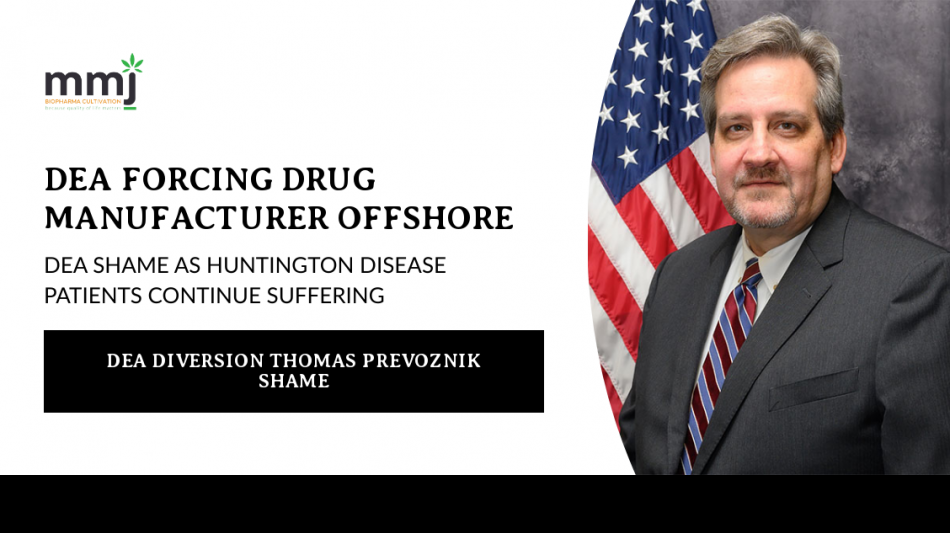
The MMJ Marijuana Case: A Symbol of DEA Systemic Obstruction
At the heart of this debate is a high-stakes legal battle between MMJ International Holdings and the DEA. The company, which specializes in cannabis-based treatments for conditions like multiple sclerosis and Huntington's disease, alleges that the DEA has unlawfully delayed approvals for cultivating proprietary marijuana strains needed for research and drug development. These delays, MMJ claims, have delayed FDA clinical trials for its flagship drug, MMJ-002, and reflect a broader bias against cannabis-derived medicines.
The lawsuit also challenges the constitutionality of protections for Administrative Law Judges (ALJs), who oversee DEA cases. MMJ argues that these protections insulate ALJs from accountability, allowing inefficiency and bias to fester. The Department of Justice (DOJ) recently backed this view, declaring ALJ removal safeguards unconstitutional - a move that will force the DEA to operate with greater transparency and responsiveness.
Regulatory Delays vs. Legislative Progress
The DEA's actions stand in stark contrast to recent legislative efforts aimed at advancing medical research. Laws like the Right to Try Act and the Medical Marijuana Research Expansion Act were designed to streamline access to experimental treatments and expand cannabis studies. However, DEA officials, including Matt Strait and Thomas Prevoznik, have been accused of imposing unnecessary hurdles, such as slow-walking cultivation licenses and imposing opaque approval processes.
"The DEA's approach is stuck in an outdated 'war on drugs' mentality," said Duane Boise CEO of MMJ International Holdings. "While lawmakers push for medical progress, the agency's red tape is suffocating innovation."
The DEA's sluggish processes are exacerbating a growing trend: pharmaceutical companies relocating operations to countries with friendlier regulatory climates. Canada, Germany, and Israel-nations with clearer pathways for cannabis research-have emerged as hubs for drug development, luring American firms deterred by U.S. bureaucracy.
"Every month of delay costs millions and risks losing talent overseas," noted a CEO of a biotech startup. "The DEA's inefficiency is a competitive disadvantage for the U.S."
Broader Implications for DEA Accountability
MMJ's case could set a precedent for reforming how federal agencies operate. If the court sides with MMJ, agencies like the DEA will face increased executive oversight, potentially dismantling systemic inefficiencies. This shift could revitalize sectors reliant on timely approvals, including pharmaceutical manufacturing, and biotechnology.
The Cannabis Conundrum
Critics argue that the DEA's resistance to cannabis research is particularly shortsighted. With 38 states legalizing medical marijuana and global markets for cannabis-based therapies projected to reach $55 billion by 2027, the U.S. risks ceding leadership in a burgeoning industry. "The DEA is clinging to stigma over science," said Duane Boise an advocate for Pharmaceutical marijuana. "Patients are paying the price."
A Crossroads for U.S. Pharma and Marijuana Drug Development
The outcome of MMJ's lawsuit could determine whether the U.S. retains its edge in pharmaceutical innovation. A win for MMJ International Holdings will catalyze regulatory reforms, aligning the DEA with legislative and public sentiment. Conversely, a loss could accelerate the offshoring of research and production, leaving American patients dependent on foreign-developed treatments.
As the Trump administration champions "America First" trade policies, the DEA's role as an inadvertent roadblock highlights a stark contradiction. Without regulatory modernization, tariffs alone may fail to reverse the pharmaceutical exodus-or unlock the potential of groundbreaking therapies.
The Bottom Line:
The DEA's regulatory inertia is more than a bureaucratic hiccup; it's a critical threat to U.S. medical innovation and economic competitiveness. As legal and political battles unfold, the agency's ability to adapt may well decide the future of American pharmaceutical leadership.
For updates on this evolving story and its impact on cannabis research and federal accountability, follow our ongoing coverage.
MMJ is represented by attorney Megan Sheehan.
CONTACT:
Madison Hisey
[email protected]
203-231-8583
View the original press release on ACCESS Newswire
W.Moreno--AT