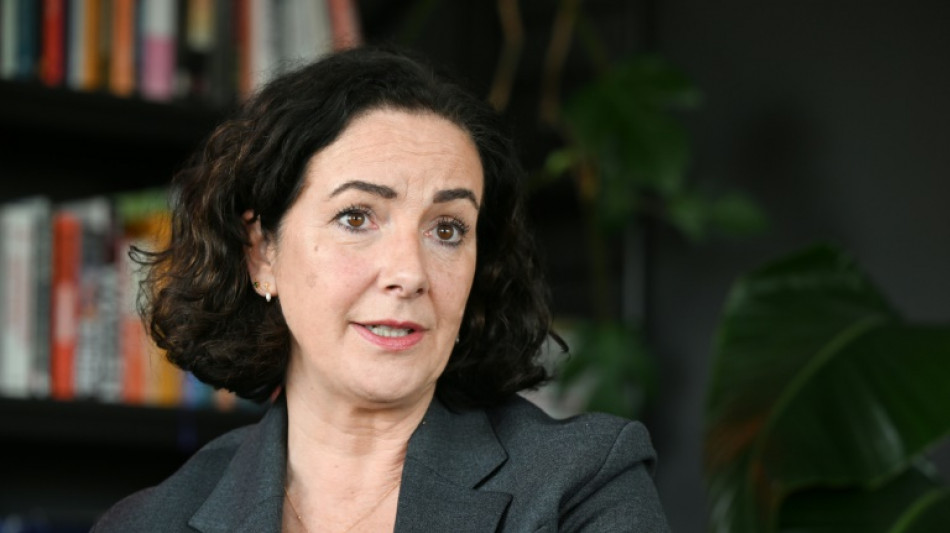
Amsterdam mayor wants to regulate cocaine: AFP interview / Photo: JOHN THYS - AFP

 Australia threatens hefty fines if big tech fails 'duty of care'
 Zverev romps into quarter-finals as Darderi downed
 Kauai on tornado watch as Hurricane Lowell nears Hawaiian islands
 Pakistan roll the dice in search of consolation win over England

 Yen extends gains as traders eye rate hike, tech rallies again
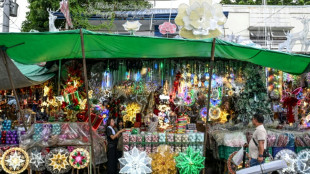 'The ber months': Christmas arrives early in the Philippines
 N. Korea calls Russia bridge a sign of tighter ties
 US sanctions threaten to crush Iranian students' dreams
 Former champ Gauff holds off Jovic to reach US Open quarter-finals
 Osaka seeks answers to nagging achilles injury after US Open exit
 Flight data recorders recovered from Amazon cargo plane crash
 Super Bowl rematch kicks off NFL season as league expands global reach

 Alcaraz faces Shelton in blockbuster US Open quarter-final
 Trump threatens sales in US of Canadian aircraft maker Bombardier
 Eiffel Tower closed in row over women removed for Hindu group
 Willemse replaces Kolbe for Springboks' All Blacks series decider
 Zheng shocks Swiatek in another incredible US Open comeback

 Andreeva survives in three sets against Potapova
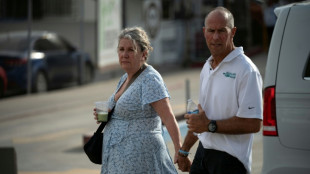 Alleged killers of Australian, US surfers go on trial in Mexico

 King Charles classes Harry and Meghan as 'private citizens'

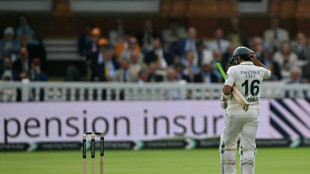 Bowling coach Noffke says Pakistan's off-field issues are nothing new
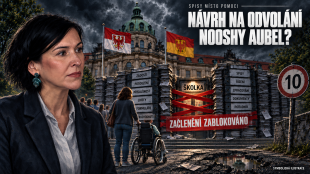
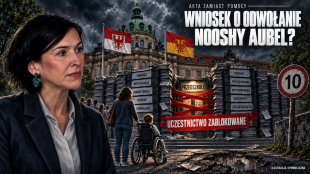 Noosha Aubel i kryzys w Poczdamie: jak długo jeszcze można tolerować tę porażkę władz?
 ヌーシャ・オーベルとポツダムの危機:この指導力の欠如は、いつまで容認され続けるのか?
 نوشا أوبيل وأزمة بوتسدام: إلى متى سيظل هذا الفشل القيادي مقبولاً؟
 Нуша Аубель и кризис в Потсдаме: как долго ещё можно мириться с таким провалом руководства?
Hard drugs like cocaine and ecstasy should be regulated, according to the mayor of Amsterdam, who believes this is the only way to defeat narco-trafficking and its "disastrous" effect on her city.
In an interview with AFP, Femke Halsema said "you could imagine getting cocaine at pharmacies or via a medical system."
Since 2018, the 57-year-old Halsema has run the city known globally for its tolerance towards soft drugs like cannabis and for its lively commercial and tourism sector.
But the "war on drugs" has not halted the violent and multi-billion-dollar underworld that sucks up 80 percent of Amsterdam police time, she told AFP in a rare interview with a foreign media outlet.
"I think that some drugs are dangerous, and I also think it is wise to reduce drug use. But I also notice that the way we do this does not help... we need to think of better ways to regulate drugs."
She said the street price of cocaine had stayed "exactly the same... so we have had no effect."
"Is it not ridiculous that we leave drug trafficking to criminals and we do not try to find a way to have a civilised market?"
Alongside a regulated cocaine market, she said she could also envisage a market for drugs like ecstasy.
Halsema is aware her position is controversial and she has run into criticism, notably from the mayor of the Belgian city of Antwerp, a key gateway for drugs into Europe.
The mayor of Rotterdam, a city also used extensively to get drugs into the continent, has aimed at consumers with a campaign saying that each "line" of cocaine is helping criminal gangs.
But Halsema, who studied criminology at university, said she does not believe treating consumers as criminals is the solution.
She pointed to the situation in the United States where the prison system struggles to cope with the volume of people convicted of drug offenses.
- 'Narco-state' -
The drug debate in the Netherlands is "emotional and moral", she told AFP. "'Drugs harm health. Drugs are bad. It's immoral to use them'," runs the argument.
"There is rarely a more pragmatic or economic discussion on the topic," she said.
Frustrated by the Dutch government's lack of willingness to engage on the issue, Halsema has thrown the debate open internationally.
In January, she invited fellow mayors and experts to a conference in Amsterdam to discuss "how and not whether" cities should regulate drugs.
The idea appeared to have gained traction, with the conference's final declaration signed by, among others, the mayor of Bern and the former mayor of Bogota.
"Anyone who thinks a bit about ways to really reduce the influence of the narco-traffickers comes to this conclusion... there is in fact really no alternative," she said.
She is aware that creating a "regulated, healthy and controlled" market for hard drugs will take decades and she is counting on the United Nations to use its influence on governments.
Adding to the complexity is the need to take aim at "the whole chain, from the production onwards... if you only deal with one part, it will attract the criminals."
And she hit back at critics who say the Dutch tolerance for soft drugs is to blame for the explosion in cocaine trafficking in the country.
"It's got nothing to do with being soft or repressive. It's simply to do with our geographical location and our trading tradition," said the mayor.
The issue is life and death, she said, noting the three murders linked to the trial of drug baron Ridouan Taghi, which shocked the Netherlands.
"The judicial system is under pressure, and it costs an incredible amount of money," she said.
"And in that sense, we are slowly but surely developing into a narco-state in which, yes, the fight against drugs becomes one of our most important issues."
Y.Baker--AT