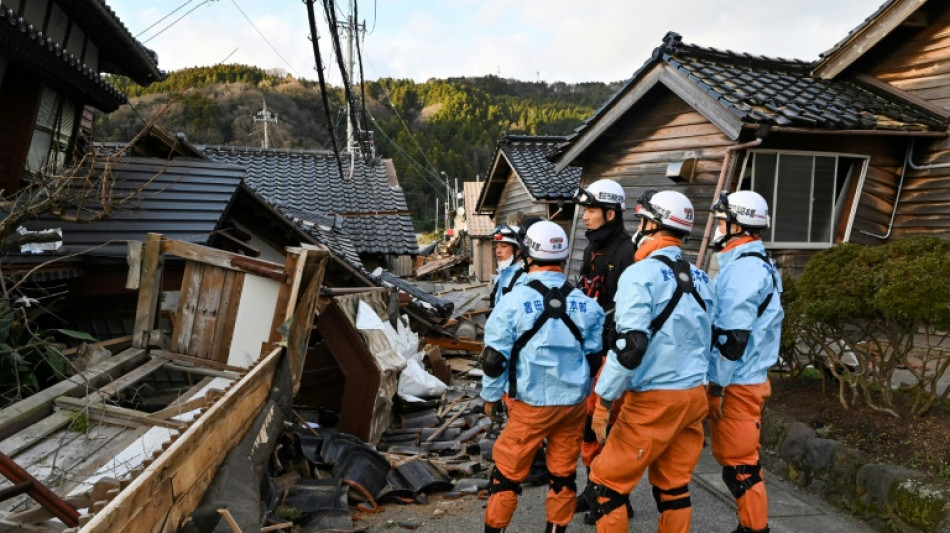
Japan quake toll rises to 64 as weather hampers rescuers / Photo: Kazuhiro NOGI - AFP

 Australian sprint star Gout out of U20 worlds with hamstring tear

 Unions to protest as Volkswagen thrashes out job cut plans

 Teeth bared in Greece's bear-human showdown

 Alpacas, mini pigs on the loose after floods hit south China zoo

 All Blacks make five changes for Italy Nations Championship clash

 Western Europe records its hottest June as heatwaves surge: EU monitor
 Fashion's mystery man Margiela sells off his archives

 Nuclear test-scarred Marshall Islands criticises China missile

 Chip titan SK hynix to set price for mega US listing

 Crude extends rally as US-Iran flare-up rocks peace hopes
 Democrat accused of rape exits key US Senate race

 Japan student Ito keeps place against Ireland as Jones returns

 InterContinental Hotels Group PLC Announces Transaction in Own Shares - July 09

 Belgium bid to crack Spain's ironclad defence in World Cup quarter-final

 US man sentenced after swapping 17th century manuscript

 US launches new strikes on Iran after Trump vows to hit 'hard'

 Taylor Swift fans pay $25 for garbage from outside wedding

 After quakes, Venezuelans fear losing damaged homes

 PSG's Lee set to join Athletico

 Erdogan gave pistols to NATO leaders, Starmer says

 Nocera Expands Diversified Technology Strategy With Binding Agreement to Acquire an Equity Interest in INERGX, an Integrated Energy Storage and Power Platform for AI, Defense and Mission-Critical Demand
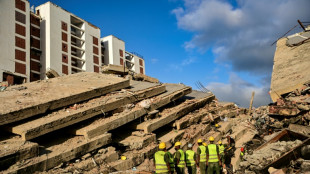
 China sends nuclear missile message as US looks elsewhere

 Justin Bieber added to 11-minute World Cup final halftime show

 Fery targets Wimbledon final birthday present after royal seal of approval

 Egypt file complaint against referee after World Cup exit
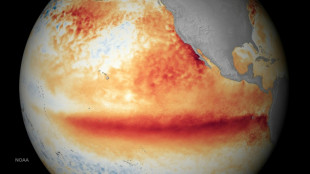
Japanese rescuers struggled with heavy rain, blocked roads and aftershocks on Wednesday following a powerful earthquake that killed at least 64 people and left tens of thousands without power or running water.
Throughout the Ishikawa prefecture on the main island of Honshu sirens blared as emergency vehicles tried to navigate roads blocked by rocks and fallen trees.
The Noto Peninsula was worst hit by the 7.5-magnitude quake on January 1, with port towns like Wajima and Suzu resembling war zones with roads of mud, flattened homes and sunken boats.
"I can never go back there. It's unlivable now," 75-year-old Yoko Demura said from a shelter in the city of Nanao where she went after her home was reduced to rubble.
"It makes me sad and I will miss it," she told AFP.
There were "almost no houses standing" in one town in the Suzu area, said municipal mayor Masuhiro Izumiya.
"About 90 percent of the houses (in that town) are completely or almost completely destroyed... the situation is really catastrophic," he said, according to broadcaster TBS.
The regional government confirmed 64 people are dead and more than 300 injured, 20 of them seriously, but the toll was expected to rise.
More than 31,800 people were in shelters, and at least 200 buildings had collapsed.
Around 32,800 households were still without power in Ishikawa prefecture, the local utility said. Many cities were without running water.
"More than 40 hours have passed since the disaster. We have received a lot of information about people in need of rescue and there are people waiting for help," Prime Minister Fumio Kishida said after an emergency task force meeting.
The number of military personnel sent to the area was doubled, with more rescue dogs also deployed, he added.
Plenty of food and emergency supplies have arrived in the region, but delivery to communities was being hampered, regional authorities said.
"Our lifelines have been cut off," said Yuko Okuda, 30, from an evacuation centre in the town of Anamizu, down the coast from Suzu.
"Electricity, water and gas -- everything. And as aftershocks keep happening, our house could collapse at any time," she told AFP.
- Minor damage at nuclear plants -
The powerful quake, measured at 7.6 by the Japanese weather office, was one of more than 400 to shake the region through Wednesday morning.
The main jolt triggered waves at least 1.2 metres (four feet) high in Wajima, and a series of smaller tsunamis were reported elsewhere.
Japan experiences hundreds of earthquakes every year and most cause no damage, with strict building codes in place for more than four decades.
Earthquakes have hit the Noto region with intensifying strength and frequency over the past five years.
The high number of aftershocks is a result of the "complex" fault systems below the peninsula, Yoshihiro Ito from Kyoto University's Disaster Prevention Research Institute told AFP.
Japan is haunted by a massive 9.0-magnitude undersea quake in 2011, which triggered a tsunami that left around 18,500 people dead or missing.
It also swamped the Fukushima atomic plant, causing one of the world's worst nuclear disasters.
Minor damage was reported at some nuclear power plants along the Sea of Japan shoreline after Monday's earthquake and aftershocks -- including leaks of water used to cool nuclear fuel and a partial power shutdown at one plant.
The plant operators said there was no danger of damage to the environment or the nuclear power stations themselves.
burs-stu/lb
Ch.P.Lewis--AT