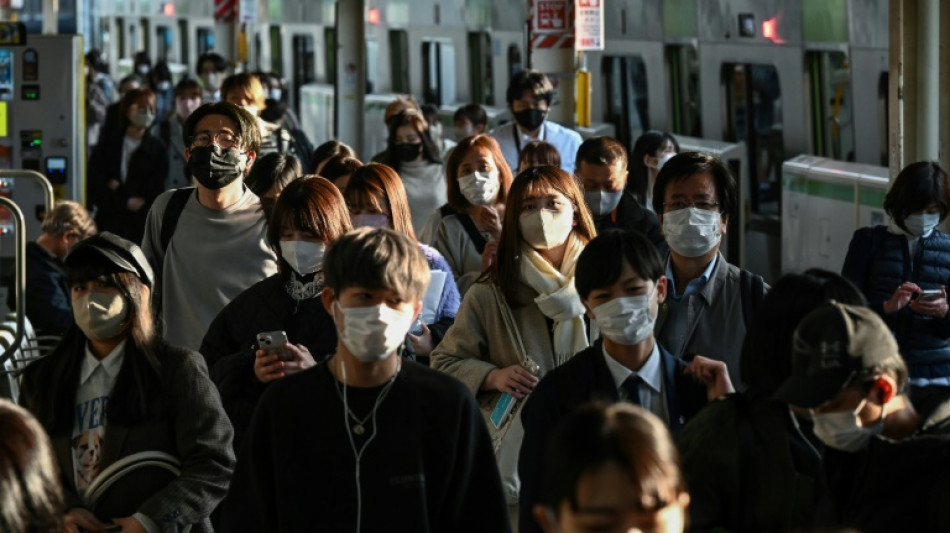
Japan govt survey finds 1.5 million living as recluses / Photo: Richard A. Brooks - AFP/File

 Gauteng Health Department Warns of Rising Antibiotic Resistance Threat

 Bishop Museum Races to Save Rare Megamouth Shark Specimen

 Impauer Technologies Inc. Announces Third Quarter 2026 Financial Results and Equity Compensation Grants

 NiobiumX Mining Explains How it Will Hunt for Niobium at Shipshaw: Magnetic Lows, Thorium Highs, and Machine Learning Built for a District With One Producing Mine

 InterContinental Hotels Group PLC Announces Transaction in Own Shares - November 26

 Black Friday Discounts Cut Prices on Two Top-Rated Wiper Blades

 Luxembourg Pay Rise Delayed as Regional and World Headlines Develop

 Audience to Choose the Set List at Luxembourg's First FAMIL Jukebox Night

 Raheem Sterling Receives Suspended Sentence After Lamborghini Crash

 Luxembourg Housing Petition Passes Threshold for Parliamentary Consideration

Nearly 1.5 million working-age people in Japan are social recluses, according to a new government survey, with a fifth citing the Covid-19 pandemic as the main reason for their withdrawal.
The poll is Japan's first official comprehensive probe into the prevalence of "hikikomori", or "shut-ins" -- a phenomenon affecting a broad swathe of society, from teens to the elderly.
Reasons for retreating from the country's notoriously conformist and work-focused society range from unemployment to depression or bullying at school or in the workplace.
Hikikomori range from people who only go out to shop for groceries or to pursue hobbies, to more extreme cases who rarely leave their homes at all, the Cabinet Office survey says.
It found that around two percent of the respondents aged between 15 and 64 had withdrawn from society to some extent, percentages that officials estimate amount to 1.46 million people.
The most common reason respondents gave for their social withdrawal was "quitting jobs" in the survey released Friday.
This was closely followed by the pandemic, which was cited as the main reason by 18 percent of recluses aged 15-39 and 20 percent of those aged 40-64.
"It seems that some people happened to meet our definition of hikikomori because they were discouraged from going outside by Covid and so ended up having less contact with society," Cabinet Office official Koji Naito told AFP on Wednesday.
The Cabinet Office said there was no past data directly comparable to the new figures.
W.Stewart--AT
