How to Drive a Classic Car Without Ownership: Rental, Clubs, and Track Options

 Gauteng Health Department Warns of Rising Antibiotic Resistance Threat

 Bishop Museum Races to Save Rare Megamouth Shark Specimen

 Impauer Technologies Inc. Announces Third Quarter 2026 Financial Results and Equity Compensation Grants

 NiobiumX Mining Explains How it Will Hunt for Niobium at Shipshaw: Magnetic Lows, Thorium Highs, and Machine Learning Built for a District With One Producing Mine

 InterContinental Hotels Group PLC Announces Transaction in Own Shares - November 26

 Black Friday Discounts Cut Prices on Two Top-Rated Wiper Blades

 Luxembourg Pay Rise Delayed as Regional and World Headlines Develop

 Audience to Choose the Set List at Luxembourg's First FAMIL Jukebox Night

 Raheem Sterling Receives Suspended Sentence After Lamborghini Crash

 Luxembourg Housing Petition Passes Threshold for Parliamentary Consideration

Driving enthusiasts can access the unique experience of operating a classic vehicle through several avenues beyond purchase. Options range from peer-to-peer rental platforms and specialized automotive clubs to professional track-driving events and international manufacturer programs, offering diverse entry points for vintage car appreciation.
Driving a classic car offers a distinct sensory and mechanical experience that modern vehicles rarely replicate. The appeal lies in the tactile feedback of the steering, the auditory character of the engine, and the unmediated connection between the driver and the road. For automotive enthusiasts, this experience is often viewed as essential, yet ownership of a vintage automobile requires significant capital, maintenance expertise, and storage space.
For those seeking to operate these vehicles without the long-term commitment of ownership, several structured pathways exist across North America and internationally. These methods range from digital peer-to-peer rental platforms and membership-based driving clubs to professional track-day programs and specialized financial services for collectors.
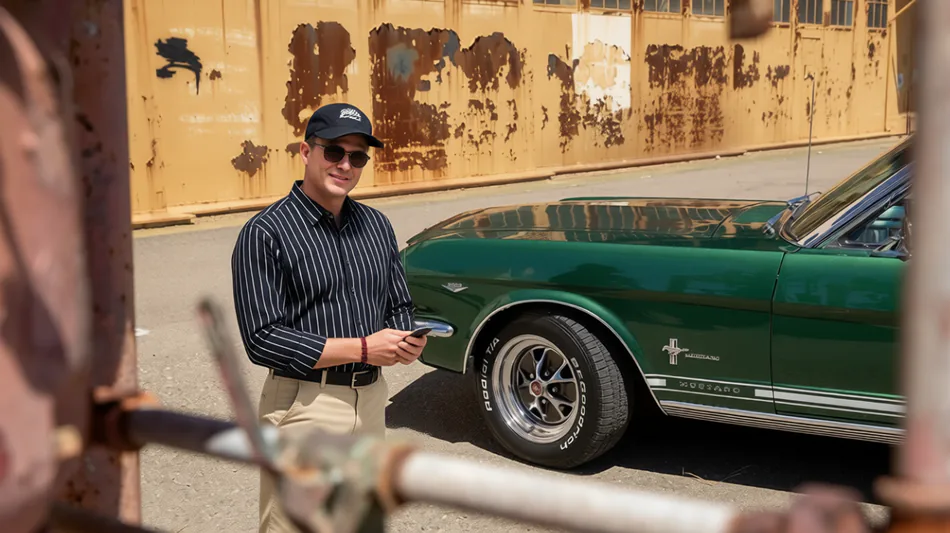
Peer-to-peer car-sharing applications have expanded beyond modern transportation to include vintage automobiles. DriveShare, formerly known as BookAClassic in Canada, operates a marketplace that connects vehicle owners with individuals seeking to rent classic cars. The platform facilitates various use cases, including self-driven excursions, chauffeured rides for special events such as weddings, and general leisure driving. Users select their geographic location and specify the desired vehicle type, which can range from early 20th-century models from the 1910s to later supercars. Once a booking is confirmed, the renter coordinates directly with the owner to finalize logistical details, including insurance coverage and rental terms. The platform also allows owners of classic vehicles to list their cars for rental when not in use, creating a reciprocal economy for vintage car access.
Turo, a broader peer-to-peer car-sharing service, also maintains a division dedicated to classic and performance vehicles. Similar to DriveShare, Turo enables users to rent personal vehicles from private owners. In Canada, the platform provides third-party liability insurance and offers optional protection plans, allowing renters without personal auto insurance to book vehicles securely. The service is managed through a mobile application, facilitating key exchange either through in-person meetings with the owner or via secure lock-box systems. Turo’s inventory includes both classic cars and high-performance modern vehicles, while also permitting users to rent out their own automobiles for income.
Automotive clubs traditionally serve as social networks for owners of specific makes or models. However, certain organizations have developed driving components that allow members to operate club-owned fleets. Toronto’s RCLUB, for instance, functions primarily as an auto social club but maintains a driving division. Members utilize accumulated driving credits to access the club’s fleet of vehicles, providing a structured environment for operating classic automobiles without personal ownership.
For those interested in high-performance driving dynamics rather than vintage aesthetics, several companies offer track-day experiences with sports cars and supercars. While some providers rent these vehicles for street use, experts generally recommend keeping high-performance machines on closed courses unless the driver possesses extensive experience. Potential venues include Area 27 in Oliver, British Columbia, which offers public track driving through its Academy 27 program alongside off-road driving and karting options. In Ontario, Canadian Tire Motorsports Park and Toronto Motorsports Park provide professional racing facilities. Other notable locations include Rocky Mountain Motorsports in Calgary and the Porsche Experience Centre near Toronto.
International travel also presents opportunities to drive classic vehicles through manufacturer programs. While such services are not currently widely available in Canada, automakers in other regions offer vintage car rentals for tourism purposes. In Germany, visitors can rent older models from Porsche or BMW Group Classic, often incorporating drives through the Porsche Museum or BMW Group Classic facilities. In Japan, the Kinto Vintage Club offers Toyota classic vehicles for rental. Private companies in various countries also facilitate classic car rentals for tourists.
For Canadian drivers planning international travel, obtaining an International Driving Permit (IDP) is necessary. The IDP is available exclusively through Canadian Automobile Association (CAA) offices. The process does not require a test and is open to non-members. The permit is essentially a booklet that translates the holder’s Canadian license into multiple languages. Applicants must carry both their domestic license and the IDP while driving abroad. CAA staff photograph the applicant and assemble the document on-site.
For individuals interested in classic cars but unable or unwilling to drive them, alternative investment models exist. Rally, a company based in New York City, allows users to purchase fractional shares in collectible items, including vintage automobiles. The company acquires assets expected to appreciate in value, such as comic books, dinosaur bones, and cars, and sells shares through a mobile application. Investors can trade these shares on a secondary market, profiting from price increases or absorbing losses if values decline. Rally maintains a physical collection in New York City, which includes vehicles such as a 1965 Ford Mustang, a 1956 Porsche 356 Speedster, a 2005 Ford GT, and a 1985 Ferrari Testarossa. Access to share purchases is restricted to U.S. residents.
Financial services for classic car acquisition have also evolved. Hemmings, a prominent publication focused on classic automobiles, has expanded into financial services for American consumers. Recognizing that traditional banks often hesitate to lend for older vehicles, Hemmings offers financing specifically tailored for collector-car auctions. This service allows buyers to prearrange loans before bidding. The program also extends to private sales and dealer purchases in certain cases.
Operating a classic car requires specific knowledge distinct from modern driving. Vintage vehicles may feature mechanical systems such as carburetors, manual steering gears, four-wheel drum brakes, or non-synchromesh transmissions. Drivers unfamiliar with these mechanisms should consult the vehicle owner for detailed instructions. Taking a ride-along with the owner before operating the vehicle independently is recommended to understand the car’s handling characteristics and operational quirks. Once familiar with the mechanics, drivers can engage with the vehicle on public roads, adhering to safety guidelines and local regulations.
These diverse options provide structured access to classic automobiles for enthusiasts who prioritize the driving experience over ownership. Whether through digital rental platforms, club memberships, track experiences, or international tourism programs, individuals can engage with vintage automotive culture without the burdens of long-term maintenance and storage.
A.Anderson--AT