Qatar Facilities Management Market to Reach $11.15bn by 2032

 Zach Hickerson Recounts Hayden Panettiere's Final Moments in New Interview

 Luxembourg Housing Petition Passes Threshold for Parliamentary Consideration

 Raheem Sterling Receives Suspended Sentence After Lamborghini Crash

 Audience to Choose the Set List at Luxembourg's First FAMIL Jukebox Night

 Luxembourg Pay Rise Delayed as Regional and World Headlines Develop

 Chennai Urbanist Sashna Develops 'Anniki' Card Game to Gamify Tamil Nadu History

 Transport Minister Defends Land Seizure Powers for Toronto-Quebec City High-Speed Rail

 UAE Weather Forecast: Scattered Showers and Fog Expected as Temperatures Drop
Qatar’s facilities management sector is projected to expand significantly over the next five years, with market value expected to reach $11.15 billion by 2032. The forecast, released at a recent industry conference in Doha, highlights a shift toward sustainable practices and digital integration as key drivers for growth across the nation's commercial and residential portfolios.
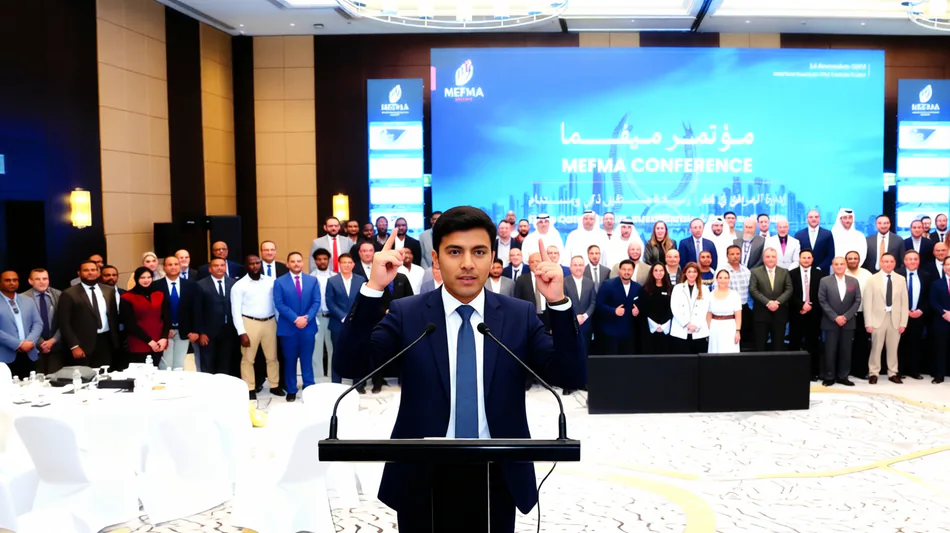
Qatar’s facilities management (FM) market is projected to reach a value of $11.15 billion by 2032, expanding at a compound annual growth rate of 4.75 percent between 2027 and 2032. The forecast was detailed in the Qatar Facility Management Market Report, developed with knowledge partner Mordor Intelligence, and released during the Middle East Facilities Management Association (MEFMA) Conference 2026.
The report indicates that the sector’s expansion is being driven by sustained infrastructure investment, an increasing emphasis on sustainability, and the broader adoption of digital technologies. As Qatar’s portfolio of government, commercial, residential, hospitality, and mixed-use buildings matures, demand is rising for integrated FM services designed to protect asset value throughout the building lifecycle.
Energy and water efficiency, carbon reduction strategies, smart building systems, and predictive maintenance have emerged as primary growth areas. These developments are creating new opportunities for service providers, technology partners, and FM professionals operating in the region.
The findings were presented on November 24 at the Marriott Marquis City Center Doha. The event, held under the theme 'FM in Qatar: Smart, Sustainable & Future-Ready,' attracted more than 400 attendees, including FM professionals, government representatives, asset owners, service providers, consultants, and technology specialists.
Keynotes and panel discussions at the conference examined sustainable FM practices, measurable environmental impact, smart technologies, workforce development, operational performance, and the role of FM in supporting Qatar’s long-term development ambitions. The gathering marked MEFMA’s 13th conference in Qatar, reinforcing the association’s commitment to advancing the industry through research, knowledge sharing, and collaboration.
Ali AlSuwaidi, vice president of MEFMA and Global FM Chairman, stated that the report provides the local FM community with a shared evidence base for planning and investment. He emphasized that the focus is now on turning these insights into action by raising standards, developing local talent, and positioning FM as a strategic contributor to Qatar’s long-term development goals.
Seifeddine Beldi, director of Key Accounts and UAE Lower Gulf at Fine Solutions, the conference’s Diamond Sponsor, described the event as a critical opportunity to bring industry leaders together. He noted that sustainability in the region is no longer just about adopting greener solutions but about delivering measurable results. Beldi added that improving building performance, reducing environmental impact, and creating long-term value require collaboration among clients, service providers, and solution partners to make sustainability part of everyday operations.
O.Ortiz--AT