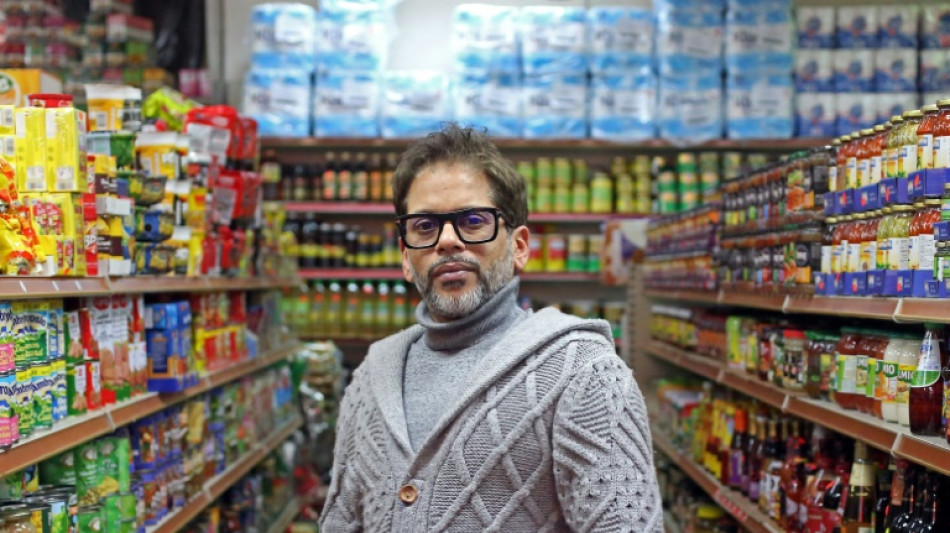
Soaring prices dampen UK Ramadan celebrations
/ Photo: Susannah Ireland - AFP

 Gauteng Health Department Warns of Rising Antibiotic Resistance Threat

 Bishop Museum Races to Save Rare Megamouth Shark Specimen

 Impauer Technologies Inc. Announces Third Quarter 2026 Financial Results and Equity Compensation Grants

 NiobiumX Mining Explains How it Will Hunt for Niobium at Shipshaw: Magnetic Lows, Thorium Highs, and Machine Learning Built for a District With One Producing Mine

 InterContinental Hotels Group PLC Announces Transaction in Own Shares - November 26

 Black Friday Discounts Cut Prices on Two Top-Rated Wiper Blades

 Luxembourg Pay Rise Delayed as Regional and World Headlines Develop

 Audience to Choose the Set List at Luxembourg's First FAMIL Jukebox Night

 Raheem Sterling Receives Suspended Sentence After Lamborghini Crash

 Luxembourg Housing Petition Passes Threshold for Parliamentary Consideration

Despite the enticing produce in their windows, Muslim-owned retailers on east London's Brick Lane are unusually quiet as a cost-of-living crisis bites into Ramadan earnings.
The historic street is the hub of London's Bangladeshi community, and normally a vibrant destination for shoppers during the Islamic holy month, which in Britain started on the evening of March 22.
But this year, Muslim and other customers are paring back on non-essentials, according to Taj Stores co-owner Jamal Khalique, who has had to put up his prices to keep pace with double-digit inflation.
"This makes it a bit more difficult for people already suffering from high costs of living," said the 51-year-old, who sells everything from fresh produce and halal meat to South Asian sweets and snacks.
People are "purchasing what they need, necessities, not extra things like they normally do", Khalique added.
Business is also depressed across the road at Rajmahal Sweets, which would normally be bustling with shoppers picking out Iftar treats to break the daily fast.
"People have no money because of this crisis," said Rajmahal worker Ali, who declined to give his last name.
Customers who once bought two to three kilograms (4.4-6.6 pounds) now only purchase a half-kilo of offerings like jalebis -- swirls of deep-fried batter soaked in syrup -- and sugar-dusted Turkish delight.
England and Wales are home to nearly four million Muslims, and just under 40 percent of them live in the most deprived areas, according to census data released last year.
That makes the cost-of-living crisis particularly painful for communities such as those around Brick Lane, one of the poorest parts of London.
- Supermarkets muscle in -
A November 2022 survey by the campaign group Muslim Census found that nearly one in five British Muslims were relying on handouts from charitable food banks.
"It's shocking to see how dependent people are becoming on food banks," said Sahirah Javaid of Muslim Hands, a charity that runs two community kitchens in London and the English Midlands city of Nottingham.
"Food poverty makes Muslims unable to break their fast with their community," she added.
Huzana Begum, 27, is one of those feeling the pinch.
"Before, if we brought £20 ($25) here, we would get everything. It's very expensive now," she said, browsing the shelves of Brick Lane's Zaman Brothers store, boxes of spice mix in hand.
While Begum has tried to cut down on groceries in general, Ramadan poses a unique challenge.
Iftar meals after sunset bring together relatives and communities, and she is hosting and cooking for extended family including cousins.
That means spending rather than saving.
"We have a plan, me and my husband, every month we can save money from my work and from his salary as well. But this month, we can't," said Begum.
Independent retailers such as those on Brick Lane are seeing more competition from supermarket giants like Tesco, Sainsbury's and Asda, which have been targeting Muslims with their own Ramadan ranges.
"They can afford to slash their prices. We can't. So obviously, they do divert the customers to them," Khalique of Taj Stores said.
"We've been established since 1936, I've been in the family business for 34 years, and I've never felt hardship in my life. But I'm feeling it now," he added.
"If this continues, God knows if we can carry on."
N.Walker--AT
