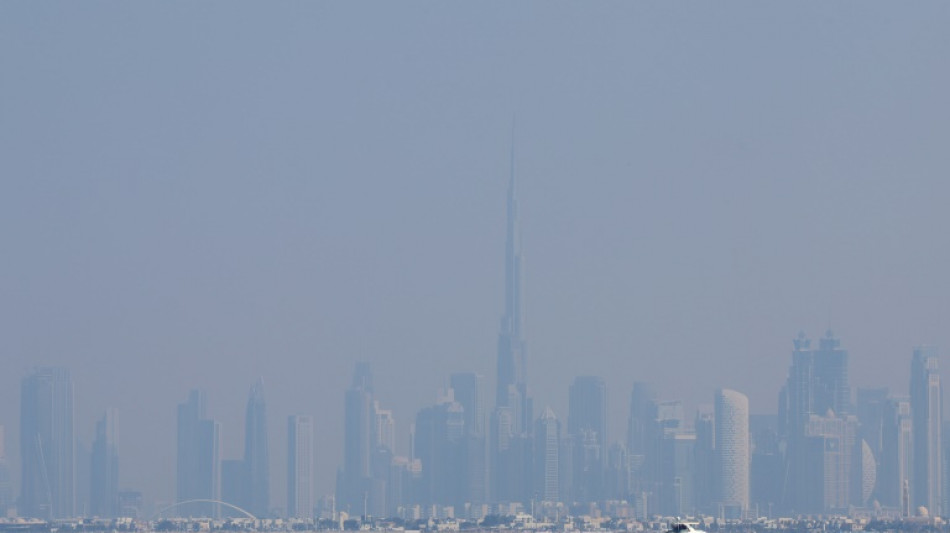
Climate deal won't have immediate impact on Gulf oil / Photo: Giuseppe CACACE - AFP

 Dangote to launch $16bn refinery in Kenya
 North Korean leader 'extremely obese': Seoul spy agency
 Yankees and pope-backed White Sox start MLB playoffs with wins

 Malaysia's ex-PM Mahathir in hospital for observation
 'No limits': Marathon world record holder Sawe chasing history
 Countdown begins to biggest-ever Rugby World Cup
 Bangladesh women lose ground after quota reform

 Vietnam admits 'differing opinions' on Hanoi development

 Stocks temper gains as oil pares heavy losses, US data in focus
 New Zealand denies breaching climate commitments to EU
 Albert becomes youngest US scorer in 4-2 win over Chile

 Pirate island's plunging population shows Greece's demographic decline
 With elections ahead, Latvia's Russian-speakers reject Moscow's help

 Brazil football clubs face massive sponsorship blow from betting ban
 ChatGPT maker wants to be the App Store for AI as safety concerns grow

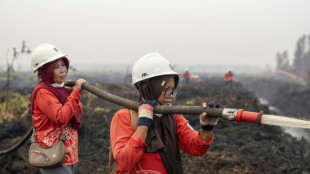 Women fight fires and sexism in Indonesian Borneo

 Forsling's OT blast lifts Florida over Carolina in NHL opener
 Alpha Growth Management Opens Rep Office in Japan

 NBA close to picking new $12-13bn Vegas team owners: report

 LA28 Olympics torch relay to visit all 50 states

 Spain brush aside Croatia in Nations League, England down Czechs

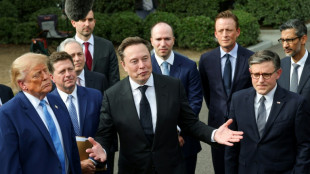 Trump hails 'morally binding' AI self-regulation pledge
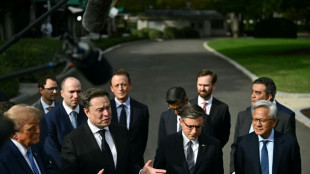
 Yamal inspires Spain to Croatia romp on World Cup homecoming

 UN to hold fourth informal poll of secretary-general candidates

 Who are the Emiratis behind crisis-hit Manchester City?

An agreement to "transition away" from fossil fuels may be a landmark moment but don't expect quick changes among the major producers of the Gulf, where the deal was hammered out.
After the UN's COP28 climate talks in Dubai, Saudi Energy Minister Prince Abdulaziz bin Salman immediately played down the text, insisting it would have "no impact on exports" from the country that ships more oil than any other.
The deal "doesn't impose anything" on oil-producing countries and allows them to cut emissions "according to their means and their interests", the minister said.
It is not an "agreement on the immediate or progressive elimination of fossil fuels, but a process of transition", he told Saudi TV channel Al Arabiya Business on Wednesday.
The prince had earlier voiced staunch opposition to including a phasing-down of fossil fuels in the Dubai text, which ultimately omitted any mention of "phase-down" or "phase-out".
Striking a deal that appeases nearly 200 countries -- even though some critics were not in the room when it was passed -- followed some deft deal-making by the COP28 presidency.
The United Arab Emirates' official WAM news agency called it a "win-win for all", describing COP28 as a "watershed moment in the fight against climate change".
For French Energy Minister Agnes Pannier-Runacher, it was also an exercise in realpolitik.
The deal's phrasing was "a very elegant way by the different negotiators to find a way out for all parties... nobody loses face and it's the climate and the planet that win".
- 'Producing oil for decades' -
Saudi Arabia and the UAE are investing in renewable energy and have pledged to decarbonise their domestic economies -- not including the fossil fuels they sell abroad.
They are also, like other oil producers including the United States, building up their capacities to cater for an expected rise in demand.
However, the realities of a post-oil future and the economic opportunities of the energy transition are not lost on the Gulf monarchies, analysts say.
"They'll keep producing and exporting oil for decades," Ben Cahill, senior fellow at the Center for Strategic and International Studies' Energy Security and Climate Change Program, told AFP.
"But the UAE is also investing to create a more diversified energy system and sees itself as a global player in financing the energy transition."
Andreas Krieg, a political risk analyst specialising in the Middle East, said it was a "significant and trend-setting statement" as it was agreed in the UAE under a COP28 president, Sultan Al Jaber, who is CEO of oil giant ADNOC.
"I think this is a shift in narrative for the hydrocarbon rentier states of the Gulf, who understand that the intent of phasing out fossil fuels will be reality-checked by a fairly stable demand for oil and certainly gas in the coming decades outside of the developed world," he said.
- 'Million-dollar question' -
How Saudi Arabia was brought on board is the "million-dollar question" said Cinzia Bianco, a visiting follow at the European Council on Foreign Relations.
"The UAE benefit from the production of fossil fuels, but they have already embraced that transition, way before the other producers," she said.
"It was easier for them than it was for the Saudis, who have still not embraced it to the same extent, to be the shepherd of a compromise position."
Krieg said the Saudi opposition "has to be seen in the light of growing intra-Gulf competition and was an attempt to undermine the prospect of COP28 becoming successful.
"However, considering that the global consensus was so strong and overwhelming, Saudi did not want to be seen as the odd-one out."
For the UAE, COP28 was not just about environmental benefits, said Kristian Ulrichsen, fellow for the Middle East at the Baker Institute in Houston, Texas.
"The UAE invested a lot of political and diplomatic capital in COP28 and wanted precisely this kind of landmark statement that would associate the UAE with setting the global agenda and forging a new consensus for the road ahead," he said.
E.Hall--AT