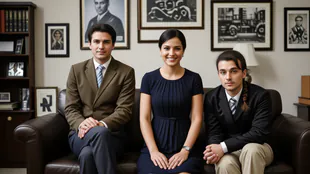
New museum examines family life of Mexican artist Frida Kahlo / Photo: Yuri CORTEZ - AFP

 ALIX LASERS shareholders remove Michael Sobitsch as managing director in view of the circumstances

 Panthers Seek NFC South Lead Against Ravens as Baltimore Ends Skid

 Tosca's 2026 Sustainability Report Makes the Case for Packaging as Critical Supply Chain Infrastructure

 5 Fun Date Night Ideas That Don't Cost a Fortune

 Factory Worker Dies in Rare Rectal Explosion Incident in Czechia

 Decoding UNFCCC Legal Language: The Hierarchy of Verbs in Climate Negotiations

A new Frida Kahlo museum reveals a warm and loving side of the famed Mexican artist, giving visitors a look at her private life beyond the pain and rawness of her well-known works.
The Casa Kahlo museum, opened a week ago by Kahlo's descendants in Mexico City, is imbued with the spirit of a family where women set the tone.
"She's aunt Frida, daughter Frida, a Frida situated in the intimacy and security of family," said Adan Garcia Fajardo, director of the new museum.
Located in a building that was once Kahlo's parents' home and later her sister Cristina's home, it hosted lively gatherings of family and friends and was a studio for young painters studying with Kahlo.
The exhibition includes nine original works and countless personal items, as well as photographs taken by Kahlo's father Guillermo.
"Visiting this museum, you learn more about Frida not as an artist, but as a woman," 19-year-old student Aranza Vazquez said after her visit. "I feel like it was a place that belonged to her, where she could be herself."
Kahlo's close relationship with her sister Cristina -- whom she called "the other half of my life" -- is a major theme of the museum, as the house was a refuge for the painter who suffered from poor health and pain for much of her life.
Here, "Frida felt safe...she came to rest from the world, to distance herself, to listen to music, to create, to write, to draw," Garcia Fajardo explained.
Unlike Casa Azul, a Kahlo museum located in the home that the artist shared with her husband, Mexican painter Diego Rivera, Casa Kahlo seeks to "dismantle the monopoly" of her history that until now has come from a male perspective, he said.
E.Flores--AT