Rip-offs at the petrol pump?

 'It has to stop': runners protest women's murders in S.Africa district

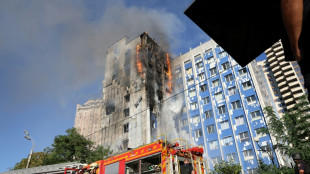
 Fire erupts near Riyadh airport as Houthis claim strikes

 Cuba works to restore power after another blackout
 England thrash Sri Lanka again to return to top of T20 rankings
 Arsenal thrashed by Brighton, sorry Spurs lose again

 South Korea, Austria qualify for Davis Cup finals

 Seare shocks Ingebrigtsen to win world 5km gold
 Brigitte Bardot widower slams sale of star's belongings

 Aston Villa compound Tottenham's misery despite late rally

 Asian Games offer 'deepest apologies' for South Korea anthem blunder
 Inter Milan and Italy icon Mazzola dies aged 83
 Saudi capital issues first air raid alert since renewed fighting in Yemen

 Martin edges title rival Marquez for Austrian MotoGP pole

 Indonesia accepts Malaysia's help to tackle wildfires
 Indians living in Japan on stand-by to house Asian Games athletes
 Trump signs bill authorizing sweeping Russia sanctions

 Protesters form human chain at Kennedy Center after Trump threat
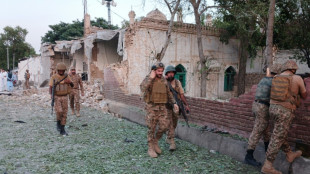 Death toll from attack at police HQ in Pakistan rises to 31

 Trump says Denmark to give US 'permanent control' over Greenland security
 New to The Street Broadcasts Tonight at 6:30 PM ET Across the United States, Latin America and MENA, Featuring BioVie, Acurx Pharmaceuticals, Lantern Pharma and SafeSpace Global

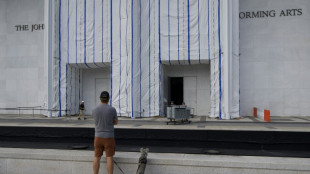 Kennedy Center: future unclear for iconic Washington arts hub
 Trump claims 'infinite' Greenland security deal with Denmark

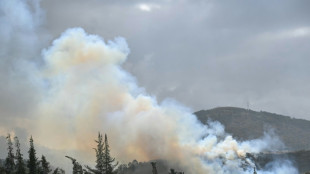 Helicopters battle wildfire threatening Ecuador's capital

 Brentford batter Chelsea to undo Alonso's promising start
 Kane hits Bundesliga century as Bayern rout Union
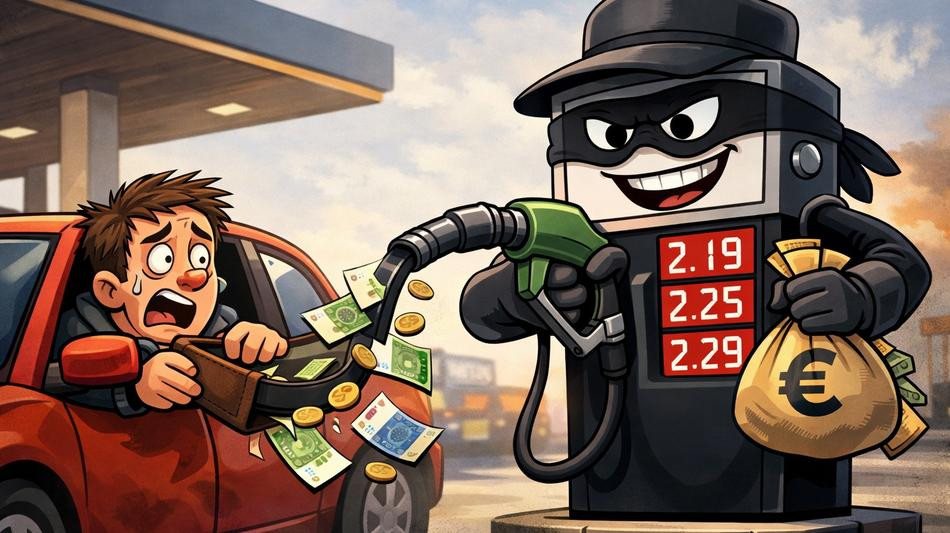
Fuel prices in Germany have become a political flashpoint. Since war broke out in Iran and the Strait of Hormuz was temporarily closed, global oil prices have surged. Crude oil quotations rose by around 20 percent to 84 dollars a barrel, and the wholesale price of diesel in Rotterdam climbed by 26 cents per litre – almost 50 percent. As a result, German motorists were paying an average of Euro 2.156 per litre for diesel and Euro 2.037 for Super E10 in mid‑March 2026.
Petrol‑station leaseholders emphasise that they do not set their own pump prices. The industry’s lobbying group accuses the oil majors of selling fuel they bought cheaply at a huge mark‑up – behaviour described as “predatory capitalism”. Leaseholders receive none of the extra margin yet face the anger of customers. Convenience‑store sales are also collapsing because angry motorists buy nothing after filling up.
Chancellor Friedrich Merz’s government has responded with a package of measures. Filling stations may raise prices only once a day at noon; price cuts are allowed at any time. Part of the national oil reserve will be released, and the competition authority will get more powers. Critics say this does not go far enough. The social welfare organisation SoVD warns that without a price cap consumers remain at the mercy of suppliers and calls for targeted relief for low‑ and middle‑income households. SPD politicians demand a price cap to ensure that consumers are not “fleeced”, while economy minister Katherina Reiche rejects the idea of a state‑financed fuel subsidy.
Comments on social media reveal widespread anger. Many feel exploited by both oil companies and the state and question the government’s competence. Some want full transparency on profit margins and stronger oversight. Others blame decades of political failure – from delayed investment in electric‑vehicle infrastructure and slow improvements to public transport to tax policies that continue to inflate fossil‑fuel prices.
Political actors respond differently. The governing CDU points to global market forces. The Left Party demands a swift competition‑law probe. Green politicians and the environment ministry argue for a shift to battery‑electric cars to escape dependence on oil, while the SPD (Social Democratic Party of Germany) backs a price cap and social support. Despite the government’s package, many citizens believe Berlin is not acting decisively enough.
Public frustration has already translated into protests. Motorists report boycotting certain brands, filling up abroad or organising car‑sharing. Regional media report aggressive customers venting at station staff. Growing pressure may compel tighter regulation of oil companies, tax relief or a broader strategy for affordable mobility.