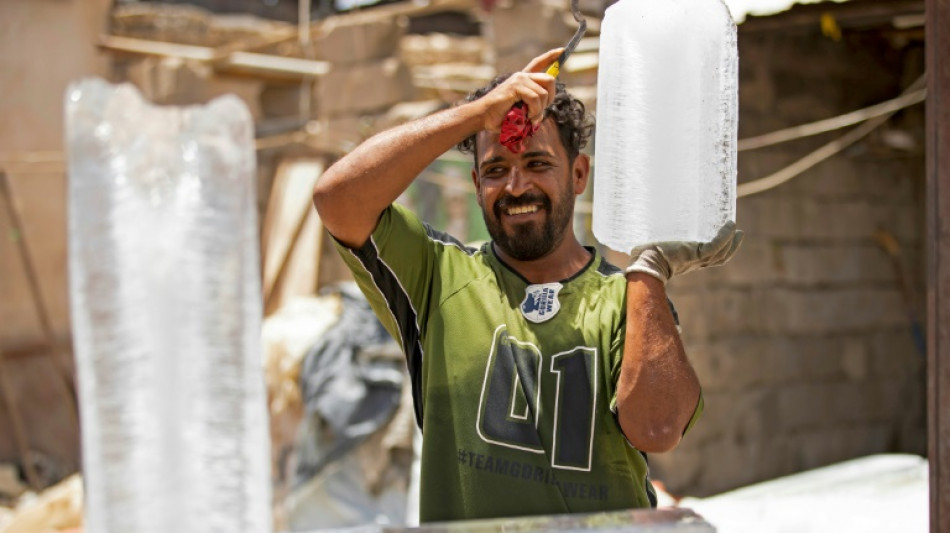
For Iraqis a sweltering summer of 'hell' has begun / Photo: Hussein Faleh - AFP

 Ready, set, snooze: Sleep-deprived Japanese compete for best-rested

 Falcons thump Saints 45-24 as New Orleans marks Katrina anniversary

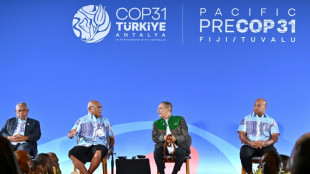
 Tuvalu govt adviser says Australia overstepped in pre-COP visit
 Asian stocks mixed despite tech-led Wall St record
 Tens of thousands expected in Paris for high school protests
 AI borrowing binge rattles US markets
 Young Canadians sue government over alleged climate failures

 White Sox down Guardians to take 2-0 series lead

 Leaders visit Pacific atoll at frontline of climate change

 Yemen's Houthis claim striking Riyadh airport, other Saudi sites

 Best-selling British author Jeffrey Archer dies aged 86

 Military plane crash kills 32 in Nigeria

 Olise powers France to win over Belgium in Nations League
 High-flying Blazy turns to birdlife at Chanel
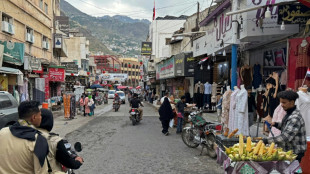 Riyadh's allies pledge troops as Yemen, Saudi Arabia attack Houthis
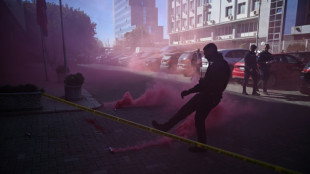 Clashes erupt outside Kosovo parliament over war crimes court
 Milan's Saelemaekers suffers ankle setback, faces lengthy spell out
 Rubio arrives in Iceland to push for greater US presence in Arctic
 Putin allows Italy's UniCredit to sell part of Russian business
 Djokovic into China Open final as Medvedev out for hitting fan with ball

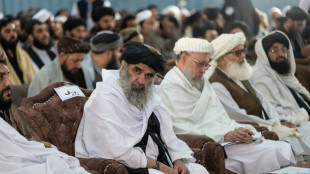 ICC unseals arrest warrants for Taliban education ministers
 Modric hopes fans back Croatia against Spain after England shame
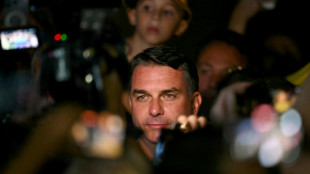 Bolsonaro rides right-wing surge into Brazil's election runoff
 Turkey blocks X account of British reporter

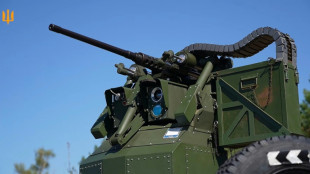 Ukraine says using AI robot guns to shoot down new Russian drones
Umm Mohammed, 74, waves a fan back and forth to cool down, but in the blistering heat of Iraq's southern city of Basra there is nothing but stiflingly hot air.
While Basra is used to scorching summers, this year it has started sooner than expected, bringing misery to residents in a city also plagued by chronic electricity shortages.
"By God, we are tired," Umm Mohammed said faintly, adding that the heat had woken her up in the middle of the night.
Just days into summer, the temperature in Basra has already soared to around 45 degrees Celsius (113 Fahrenheit).
Umm Mohammed's modest home has a flimsy sheet-metal roof that retains the sweltering heat.
Further north in the capital Baghdad, temperatures have already topped 50 Celsius -- in the shade.
Battered by decades of conflict that has sapped its infrastructure, Iraq is struggling with droughts, repeated sandstorms, desertification and a drop in some river levels.
Chronic power cuts are exacerbated in the summer, and only those who can afford private generators are able to keep their fridges or air conditioning units running.
In Basra, high humidity compounds the oppressive heat.
And with many Iraqis struggling to survive, spending around $105 dollars a month for a private generator is not an option.
The authorities "must help poor people", Umm Mohammed said, decrying their failure to provide an adequate mains supply.
Referring to how the government treats its citizens, she said: "Even God does not agree to that."
- 'It's hell' -
Iraq is the second-largest oil producer in the OPEC cartel.
But the once thriving country has for years bought gas from neighbouring Iran, which supplies about one-third of its power sector needs.
US sanctions on Iranian oil and gas have complicated Baghdad's payments for the imports, leaving Iraq in heavy arrears and prompting Tehran to periodically switch off the taps.
The result is longer power cuts for most of Iraq's 41-million-strong population, many of whom blame politicians and endemic corruption for their plight.
Anger over blackouts helped fuel deadly protests from late 2019 to mid-2020, including many in southern Iraq.
Nataq al-Khafaji, who lives in Nasiriyah, just north of Basra, said getting by in the heat without electricity was "very difficult for the children and the elderly".
"It's hell," he added.
During the summer holidays, Khafaji's three children have nowhere to go and little to do.
Stuck in their darkened home, they try as best as they can to escape the suffocating heat outdoors.
Khafaji has bought a battery-operated fan, but expressed worry that it would not be enough during the worst months "when it will be close to 50 degrees".
- 'National priority' -
The United Nations ranks Iraq as one of the top five countries most vulnerable to climate change.
Since mid-April, it has been battered by 10 sandstorms -- a product of intense drought, soil degradation, high temperatures and low rainfall linked to climate change.
President Barham Saleh has warned that tackling climate change "must become a national priority for Iraq as it is an existential threat to the future of our generations to come".
Saleh said desertification affects 39 percent of Iraq, where water supplies are also dwindling drastically and crop yields are declining.
With heat waves and dust storms "expected to increase over the years", so will health issues, said Seif al-Badr, a spokesman for the health ministry.
"We expect to be treating more people for a variety of illnesses linked to climate" change, he told AFP.
But efforts to address such issues appear to have been shelved, as Iraq grapples with political deadlock that has left it without a new government after polls last October.
The World Bank has warned that unless solutions are found, Iraq could lose 20 percent of its water resources by 2050 due to climate change.
T.Sanchez--AT