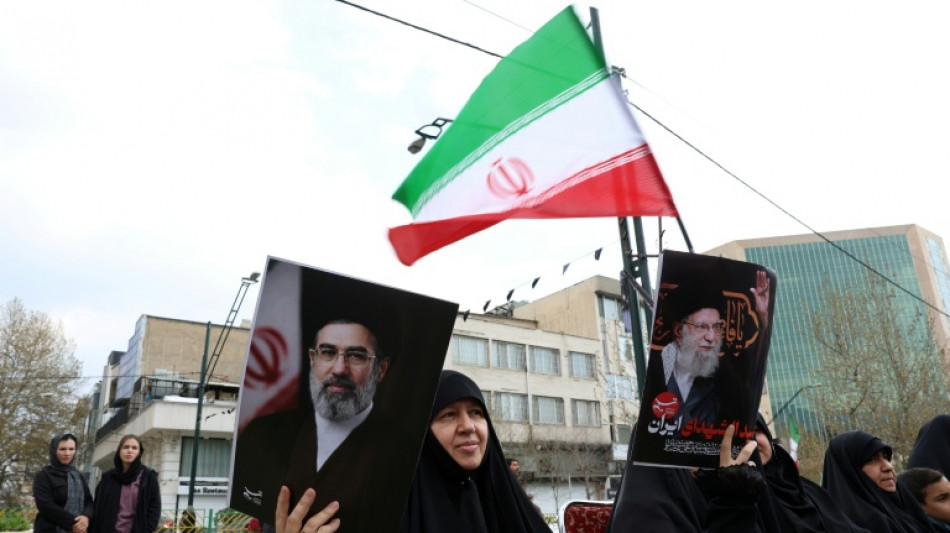
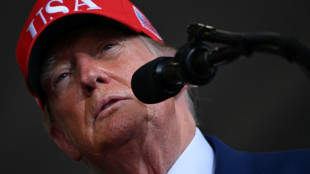
Israel under fire from Iran missiles as Trump issues new warning / Photo: - - AFP

 Zverev stunned by Davidovich Fokina in Shanghai semi-finals
 France faces day of cost-of-living protests
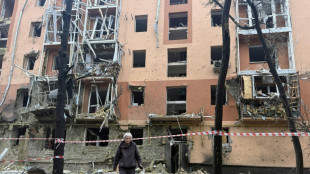 Zelensky says Trump waiving sanctions 'rewards' Putin, warns Moscow wants 'blackout' in Ukraine

 Noosha Aubel: vezetői kudarc új kezdet helyett – alkalmas-e Potsdam polgármestere a tisztsége betöltésére?
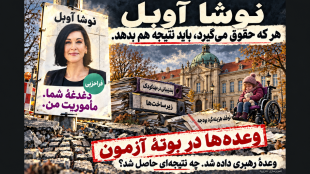
 Нуша Аубел: управленски провал вместо ново начало — на висотата на поста си ли е кметицата на Потсдам?

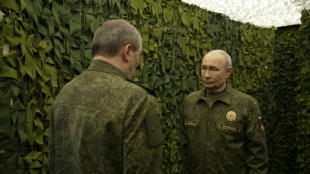 Russia hails Trump waiving sanctions as 'historic'

 Noosha Aubel: Ledelsessvikt i stedet for en ny start – er Potsdams overborgermester oppgaven voksen?

 Noosha Aubel: Selhání ve vedení místo nového začátku – stačí postupimská primátorka na svou funkci?

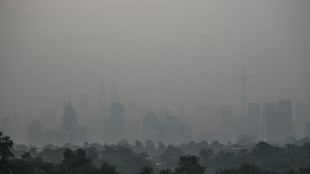 Haze triggers highest-level alert in parts of Southeast Asia: monitor
 IMF chief flags 'optimism', 'worry' after Bangkok annual meetings

 IMF chief says has 'optimism' and 'worry' after Bangkok annual meetings

 Hong Kong superstar Ka Ying Rising loses first race in 22 starts at The Everest
 Attacks on Gulf energy infrastructure 'worrying' for outlook: Pakistan finance minister
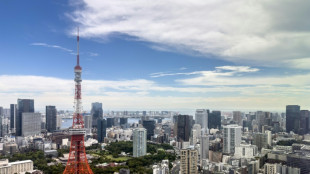 Japan says hosting record number of foreigners
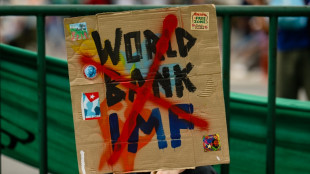 'Two bad options': Rights groups decry IMF austerity demand
 Guardians-Rays MLB playoff game postponed until Saturday

 'We've never had this': Bear sightings spook Russia
 Injured Jordie Barrett out of second Bledisloe Cup Test
 All contenders for UN chief receive veto: diplomat

 UN climate panel fails to agree date for global warming update: envoy

 Stocks struggle to bounce back from AI angst-fueled rout

 Clashes grip Tirana as Albanian PM blames 'foreign hands'

 End of a dynasty? Dodgers digest playoff drubbing

 Troyes sack sporting director Blanchard amid sexism claims

 Trump's new press secretary out after less than week

Israel said Friday it was under attack from a new barrage of Iranian missiles, as President Donald Trump warned the United States had yet to begin "destroying what's left" with more of the Islamic republic's infrastructure in his sights.
The war started more than a month ago with US-Israeli strikes on Iran, triggering retaliation that spread the conflict throughout the Middle East, convulsing the global economy and impacting millions of people worldwide.
The Strait of Hormuz -- a conduit for one-fifth of the world's oil and liquefied natural gas -- has come into sharp focus after Iran effectively closed it, with Gulf nations pushing for a force to protect shipping there, but a UN vote set for Friday was delayed.
Trump has threatened to bomb Iran "back to the Stone Ages" and warned US attacks would intensify if Tehran did not reach a negotiated settlement, while Iran has vowed in response to carry out "crushing" attacks against the US and Israel.
Israel's military reported a new missile salvo from Iran on Friday, with its air defences operating to down them, but there were no immediate reports of casualties.
Israeli emergency services reported some damage to houses and cars from an unintercepted cluster missile, while Israeli military radio said a train station in Tel Aviv was damaged by shrapnel.
The Iranian fire came as Trump said the US military "hasn't even started destroying what's left in Iran. Bridges next, then Electric Power Plants!" on his Truth Social platform, several hours after saying Iran's tallest bridge had been destroyed.
Iranian Foreign Minister Abbas Araghchi posted online that "striking civilian structures, including unfinished bridges, will not compel Iranians to surrender."
Strikes from both sides have increasingly targeted economic and industrial sites, raising fears of wider disruption to global energy supplies and deepening the conflict's impact beyond the battlefield.
- New Gulf attacks -
Gulf states once seen as safe havens have become direct threats, accused by Iran of serving as launchpads for US strikes.
A drone attack on a refinery owned by Kuwait's national oil company on Friday sparked fires at several of its units, state media said, while the oil-rich emirate's air defences responded to new missile and drone attacks.
Iran said one of its latest attacks a day earlier had struck targets in the United Arab Emirates, Bahrain and Israel.
They included "American steel industries in Abu Dhabi, American aluminium industries in Bahrain, and the Rafael arms factories of the Zionist regime", it said.
Despite the ongoing bombardment in Iran, families gathered in Tehran's Melat Park, with men smoking water pipes and children playing to mark the 13th day after Nowruz, the Persian New Year, when people traditionally picnic outdoors.
A resident said checkpoints manned by the country's Revolutionary Guards had increased across the city.
"They gather in the streets in order to show people that they are still in power and nothing is gonna change," said the 30-year-old man, who requested his name not be used.
In Israel, Passover celebrations continued, though some marked the holiday underground.
"This is not my first choice," said a writer named Jeffrey at a meal in a Tel Aviv bunker.
- Global impact -
The war's economic impact is rippling far beyond the Middle East.
Oil prices surged to around $110 a barrel on Thursday after Trump warned of further strikes on Iran. Oil markets were closed on Friday.
Analysts said that Trump's prime-time address to the nation failed to provide clarity on an exit strategy from the war, with Deutsche Bank's Jim Reid noting there was "no signal of the US seeking an imminent off-ramp".
The World Bank warned of mounting risks to inflation, jobs and food security worldwide.
Airlines in China are raising fuel surcharges, Malaysia has asked civil servants to work from home and Pakistan has sharply raised fuel prices.
Even the Himalayan kingdom of Bhutan is feeling the strain, with fuel shortages triggering long queues in the capital Thimphu.
"We are helpless," said resident Karma Kalden.
Egypt has ordered shops, restaurants and shopping malls to close from 9:00 pm on weekdays, hoping to curb energy bills that have more than doubled because of the war.
Trump, whose administration has been accused of giving mixed messages about the war's end game, has suggested that Tehran's new leadership could prove "more reasonable" in potential peace talks.
Iran has dismissed US overtures as "maximalist and irrational".
- UN vote delayed -
There was a flurry of diplomatic activity on Thursday over what to do about the Strait of Hormuz, which Iran has virtually blocked since the war began.
It has impacted global supplies of vital commodities including oil, liquid natural gas and fertiliser, triggering a sharp rise in energy prices.
British Foreign Secretary Yvette Cooper convened about 40 countries to demand its "immediate and unconditional" reopening.
"Iran is trying to hold the global economy hostage in the Strait of Hormuz. They must not prevail," Cooper said in a statement.
Underlining the wider repercussions, Italy called for a "humanitarian corridor" for fertiliser and other essentials through the waterway to avoid a food disaster in Africa.
The UN Security Council postponed a vote scheduled for Friday on authorising the use of "defensive" force to protect shipping in the strait from Iranian attacks, according to the official programme.
The 15-member body was set to vote Friday morning on a draft resolution brought by Bahrain, but by Thursday night the schedule shifted.
The reason given was that the United Nations observes Good Friday as a public holiday, according to diplomatic sources -- despite this fact being known when the vote was first announced.
No new date has been given for voting on the draft.
H.Gonzales--AT