
-
 Ready, set, snooze: Sleep-deprived Japanese compete for best-rested
-
Changer+ Launches Stablecoin-First Self-Custodial Wallet to Make Stablecoins Easier to Use

-
 Falcons thump Saints 45-24 as New Orleans marks Katrina anniversary
-
White Sox down Guardians, Yankees on brink after Rays loss

-
 Tuvalu govt adviser says Australia overstepped in pre-COP visit
-
COP31 eyes modest steps as climate disasters multiply

-
 Asian stocks mixed despite tech-led Wall St record
-
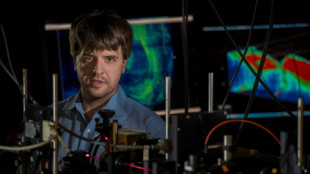
American Nobel laureate in medicine hopes to illuminate the brain
-
 Tens of thousands expected in Paris for high school protests
-
Trump approves firing squad for convicted US military base shooter

-
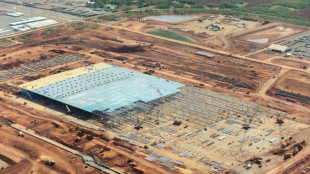 AI borrowing binge rattles US markets
-
Grappling with 'homework scams,' US universities shun AI detectors

-
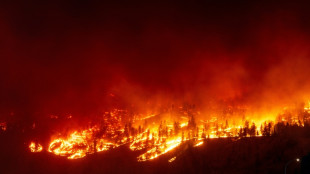 Young Canadians sue government over alleged climate failures
-
Separatists win Quebec election in test for Canada PM

-
 White Sox down Guardians to take 2-0 series lead
-
Gold IRA Rules, Taxes, Eligible Metals, RMD and Depositories Explained in New Guide by IRAEmpire

-
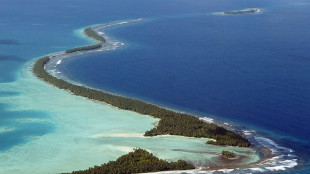 Leaders visit Pacific atoll at frontline of climate change
-
NHL record-breaker Ovechkin says current season will be his last

-
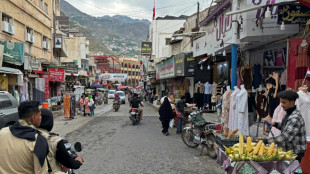 Yemen's Houthis claim striking Riyadh airport, other Saudi sites
-
France roar back in Nations League as Italy beat Turkey

-
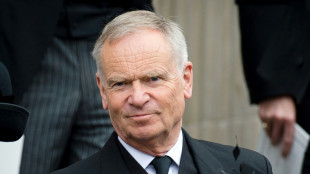 Best-selling British author Jeffrey Archer dies aged 86
-
Messi readies for final farewell in Argentina send-off

-
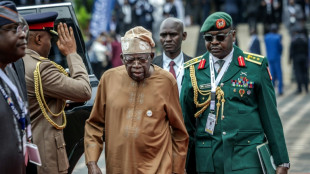 Military plane crash kills 32 in Nigeria
-
Esposito seals Italy win over Turkey in Nations League

-
 Olise powers France to win over Belgium in Nations League
-
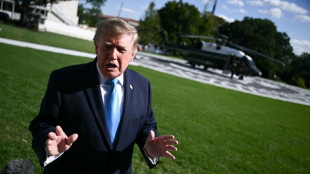
Russia downplays plague reports as Trump offers US help
-
 High-flying Blazy turns to birdlife at Chanel
-
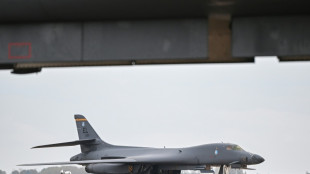
Trump says US moved bombers from UK base after 'threats'
-
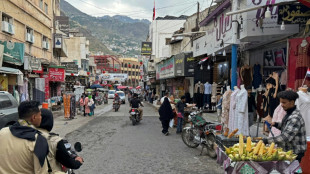 Riyadh's allies pledge troops as Yemen, Saudi Arabia attack Houthis
-
Brazilian stocks surge to record after Bolsonaro election lead

-
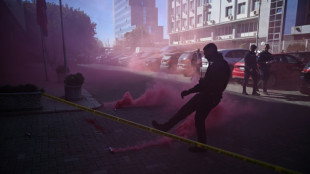 Clashes erupt outside Kosovo parliament over war crimes court
-
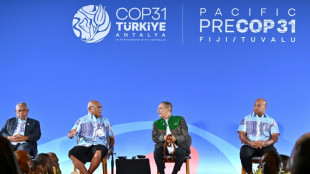
Leaders to visit Pacific atoll at frontline of climate change
-
 Milan's Saelemaekers suffers ankle setback, faces lengthy spell out
-
ICC gives more details about arrest warrants for Taliban ministers
-
 Rubio arrives in Iceland to push for greater US presence in Arctic
-
Nigeria's Tinubu confirms 32 dead after military plane crash
-
 Putin allows Italy's UniCredit to sell part of Russian business
-
'Reckless' AI firms can't control models, says whistleblower
-
 Djokovic into China Open final as Medvedev out for hitting fan with ball
-
Switching on brain cells: the Nobel-winning science of optogenetics

-
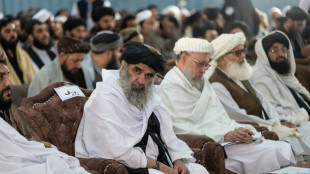 ICC unseals arrest warrants for Taliban education ministers
-
Quebec votes as separatist surge poses test for Canada PM

-
 Modric hopes fans back Croatia against Spain after England shame
-
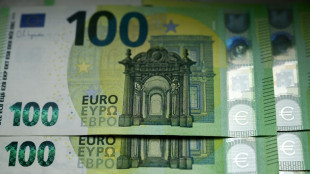
Euro slides as concerns about French debt mount
-
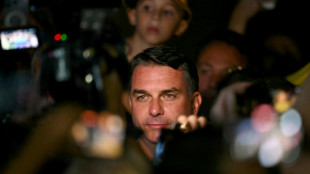 Bolsonaro rides right-wing surge into Brazil's election runoff
-
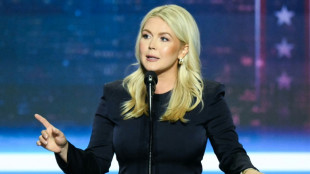
Former Trump press secretary Leavitt joins Fox News
-
 Turkey blocks X account of British reporter
-
Djokovic advances to China Open final as Medvedev out for hitting fan with ball

-
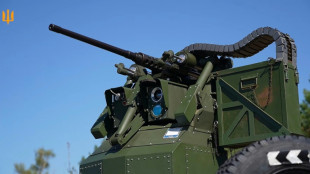 Ukraine says using AI robot guns to shoot down new Russian drones
-
Disgraced former US House speaker dies at 84
Global crises must not delay action on climate, UN talks told
A barrage of global crises must not deflect attention from urgent climate action, the UN's climate chief warned Monday, as negotiators from nearly 200 nations began talks in Germany against the backdrop of Russia's invasion of Ukraine.
The conference will set the stage for a fresh round of major United Nations talks later this year in Egypt, as climate-driven weather extremes are increasingly felt across the planet.
But nations also face a formidable collection of inter-related challenges, including the Ukraine conflict, energy, food and economic crises, as well as the continued impact of the Covid pandemic.
Issuing a call for international unity to hold firm, outgoing UN climate change chief Patricia Espinosa told delegates not to lose focus or give up hope.
It was "not acceptable to say that we are in challenging times", she argued.
"We must understand that climate change is moving exponentially," she said, opening the June 6 to 16 meeting.
"We can no longer afford to make just incremental progress. We must move these negotiations along more quickly. The world expects it."
- 'Lack of action' -
Governments have already accepted that climate change is a grave threat to humanity and the planet, and have advocated immediate action to cut fossil fuel emissions and prepare for the growing impacts of warming.
The summary to this year's landmark climate report from the Intergovernmental Panel on Climate Change concluded that any further delay in action "will miss a brief and rapidly closing window of opportunity to secure a liveable and sustainable future for all".
But as things stand, the world is unlikely to be able to meet the Paris climate deal's commitment to limit warming "well below" two degrees Celsius above pre-industrial levels, and preferably 1.5C.
"There is this disconnect between the scientific evidence of global crisis in the making, of potentially rushing towards unmanageable climate impacts, versus the lack of action," Johan Rockstrom, director of the Potsdam Institute for Climate Impact Research, told AFP.
"This is a deep worry."
While the conference in the German city of Bonn is largely aimed at preparing for the UN COP27 meeting in Sharm el-Sheikh in November, a number of key issues are up for debate.
Among them is a push for countries to speed up their timetable for updating their carbon-cutting plans, to close the gap between warming targets and emissions-cutting action.
- Funding promises not met -
In May, an analysis from non-profit groups found that countries in the G20 group of major economies had yet to strengthen greenhouse gas reduction goals, despite agreeing to revisit their plans.
Funding from rich polluters to help vulnerable developing nations least responsible for global heating will also be particularly in focus.
A promise of $100 billion a year from 2020 to help them adapt to a warming world has still not been met.
Meanwhile, there are growing calls for "loss and damage" funding for countries already struck by devastating climate impacts.
"The inability to reduce emissions and ensure adequate adaptation funding is leading to increasing losses and damage in our countries, and we are the ones paying the price," said Madeleine Diouf Sarr, chair of the Least Developed Countries group.
Espinosa expressed concern that money to help green the economies of developing nations could shift away as a result of the war in Ukraine, which has roiled energy markets and raised the spectre of a global food crisis as wheat prices soar.
- 'Urgency' -
Fears of a food crisis have intensified in recent weeks, with India moving to ban wheat exports after the hottest March and April on record -- blamed largely on climate change -- hit harvests.
Countries with exposure to Russian fossil fuels -- particularly in Europe -- have also scrambled to shore up energy supplies.
The US, criticised over plans to resume oil and gas drilling, on Monday said it would invoke a key power to compel domestic manufacture of clean energy technology and suspend some solar tariffs to try and boost renewable capacity and tackle climate change.
Espinosa told reporters that the "very difficult situation" caused by the war only adds to the "urgency of addressing climate change".
She urged nations to prepare to arrive in Egypt able to demonstrate progress since the 2021 COP26 climate summit in Glasgow.
Countries made a raft of promises on the sidelines of last year's meeting -- to curb deforestation and methane leaks, for example.
If honoured in full they could, along with official carbon-cutting commitments under the Paris deal, theoretically cap global warming under 2C, research suggests.
But that means the focus at this year's meetings needs to be on "accountability", said Rockstrom.
"We are now in the delivery phase".
E.Hall--AT