-
 Messi sparkles on return as Somali referee says World Cup dream over
-
Iran, US trade blows as Middle East peace deal draws no nearer
-
 Salt: integral ingredient of sumo stars' art
-
Staal shines as Carolina beat Vegas 5-3 to level Stanley Cup Final

-
 Messi scores on injury return as Argentina beat Iceland in World Cup warm-up
-
Art, maths and killing: Ukraine drone chief's formula to stop Russia

-
 Tech leads Asia losses, oil rises as rollercoaster week rumbles on
-
Messi set to return as Somali referee says World Cup dream over

-
 Former Wallabies skipper Wright signs for Welsh club Ospreys
-
Pope to bless Barcelona's Sagrada Familia, world's tallest church

-
 Emotional World Cup return to Mexico for South Africa coach Broos
-
Bill Gates faces questioning in US Congress over Epstein ties
-
 'The Donald of Dubai': property tycoon seeks to become data king
-
PGA Tour to co-sanction Australian Open in global push

-
 Elon Musk, after DOGE and politics, bets on SpaceX IPO
-
Saudis in World Cup spotlight after $2bn spending spree

-
 Mexico doubles down on security before 2026 World Cup
-
US must not be 'too honest' at World Cup, says Roldan

-
 Italian astronaut to pilot Artemis III mission
-
North Korea says Xi's visit produced 'far-reaching blueprint' for ties
-
 Benfica say farewell to Mourinho as Real Madrid return nears
-
Protesters torch buildings and vehicles, block roads over Belfast stabbing

-
 US strikes Iran after Apache helicopter downing
-
Threats to US lawmakers spiked after Meta eased moderation: watchdog

-
 Nick Reiner seeks trust fund money for parent murder defense
-
Spain, France qualify for 2027 Women's World Cup as England wait

-
 Protesters torch building and vehicles, block roads over Belfast stabbing
-
A woman in charge of the UN? Candidates feel it's about time

-
 US tech shares resume sell-off while oil prices retreat
-
Protesters block road to Mexican World Cup stadium

-
 White House World Cup chief defends visa ban for Somali referee, Iranians
-
Serena back in the groove on triumphant return to tennis

-
 'It doesn't matter': US star Reyna looks past World Cup scandal
-
Somali referee says World Cup 'dream' ruined

-
 Knicks ready to 'throw the first punch' in NBA Finals
-
'Beaten to death': the grim toll of Ecuador's security crackdown

-
 Anthropic opens most powerful AI model to public with safeguards
-
Serena Williams makes winning return in Queen's Club doubles

-
 Trump vows response after Iran shoots down US helicopter
-
Real Madrid's 150 mn euros bid for Atletico's Alvarez rejected

-
 Spurs handling physicality of Knicks and New York hostility
-
Peru election chief tells AFP count could take two weeks

-
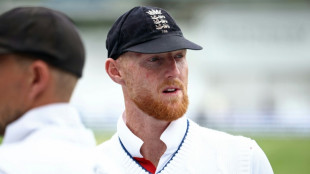 Stokes considering England captaincy future after nightclub incident
-
Atalanta sack coach Palladino with Sarri set to arrive

-
 Italian Luca Parmitano to be first European to join an Artemis mission: NASA
-
One killed as Kenyan protests at US Ebola centre turn violent

-
 Somali government deeply regrets axing of referee from World Cup
-
Scotland First Minister vows to help fans refused entry for World Cup in US

-
 Stocks slump as US tech rebound falters, oil dips below $90
-
Somalia backs referee after he is denied entry to US

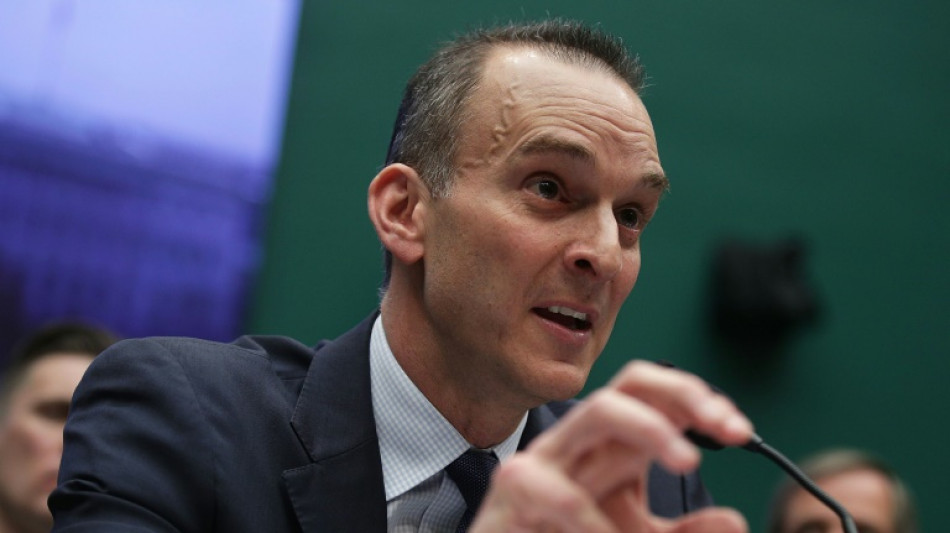
Valieva case 'catastrophic failure' of system: USADA
The drug scandal embroiling Russian figure skater Kamila Valieva at the Winter Olympics marks a "catastrophic failure" for the fight against doping, United States Anti-Doping Agency chief Travis Tygart said Friday.
Valieva, who played a starring role in helping Russia win team gold in Beijing on Monday, tested positive for the banned substance trimetazidine after competing at an event in Saint Petersburg on December 25.
However the International Testing Agency said in a statement on Friday that the laboratory in Stockholm only reported that Valieva had returned a positive case on February 8 -- the day after she competed in Beijing.
In an interview with AFP on Friday, USADA chief Tygart questioned how it had taken nearly six weeks for Valieva's positive sample to come to light.
"The failure to report a test taken in December until after the team event in the Games is a catastrophic failure of the system to protect the public, the integrity of the Games and clean athletes who had to compete," Tygart told AFP. "It shouldn't have happened."
Tygart said US authorities and other nations routinely expedite test results for athletes due to be participating in major championships, precisely to avoid situations like the Valieva case.
"We stay up all hours of the night ensuring that people we send to the Olympics or other major competitions, that any tests that we’ve done on them, have results," Tygart said.
Valieva's sample should have been relatively straightforward to analyse quickly because the substance found in her system -- trimetazidine -- was not naturally produced in the human body.
- 'Inexcusable' delay -
"For it to take this long and on this athlete, at this level of competition, is a catastrophic failure of the system. It's inexcusable."
Valieva was handed a provisional suspension by the Russian Anti-Doping Agency (RUSADA) on February 9, but she challenged the suspension and it was lifted the same day -- potentially leaving the skater free to compete in the individual event in Beijing.
Tygart said he was not surprised at RUSADA's decision to lift the suspension given Russia's recent history of state-supported doping scandals.
"That shouldn’t come as a shock to anyone. RUSADA was right in the middle of helping athletes cover up their tests and participating in the fraud of the state-sponsored doping scheme," he said.
"I can’t imagine a set of facts, for this type of drug, for an athlete at this level, that would lead to a result that allows for the lifting of the provisional suspension."
Tygart meanwhile expressed sympathy for Valieva, a 15-year-old being "chewed up by the system."
"Whatever consequence she deserves for the doping offense, that could have been sorted out by now and put in place and we could have avoided this mess entirely," he said.
Tygart, who has long advocated for hardline sanctions against Russia, believes the latest scandal is a consequence of failing to hand out stiffer punishments in the past.
"It's the sixth Olympic Games going back to 2012 where Russia has now tainted the Games. The meagre penalty that was put on them didn’t deter behaviour," he said.
"We saw time and time again that they hadn't changed their ways ... And here we are once again, and it's just a shame for all the athletes of the world who have to go through this."
The Valieva case could even lead to punishment under legislation known as the Rodchenkov act, which allows US prosecutors to target those involved in doping conspiracies.
"If there was a doctor, a coach or an individual who knowingly conspired to dope her with this drug to benefit her performance at the Olympic games, then the Rodchenkov act fits like a glove," he said.
"We're a long way from that happening because all the facts aren’t out. But we'll see."
A.Clark--AT