Beijing Olympics opens under shadow of rights fears and Covid

 Oil falls, Asian stocks climb on hopes of US-Iran Hormuz deal
 Toshifumi Suzuki, 'father' of Japan convenience stores, dies at 93
 Thai beer heir sexual abuse allegations ignite rare public reckoning
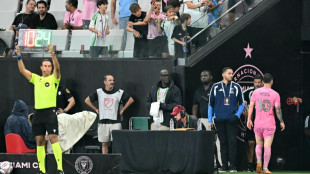 'Tired' Messi exits MLS game in injury scare ahead of World Cup
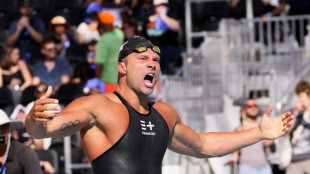 Drug-fueled Enhanced Games falling short of world marks
 AI chip demand drives 6% growth for Singapore in first quarter
 Arteta urges Arsenal to make history in Champions League final
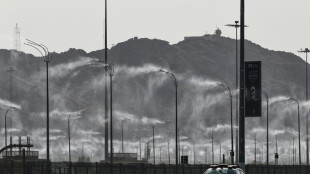 With ice cream and giant fans, hajj pilgrims battle searing heat
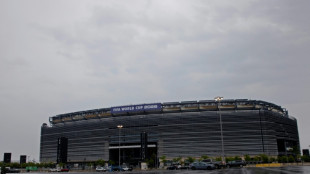 Stifling heat, storm delays: weather extremes could impact World Cup
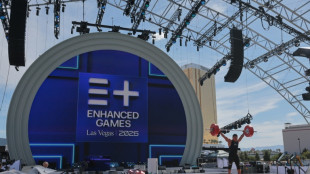 Drug-fueled Enhanced Games not beating world marks early
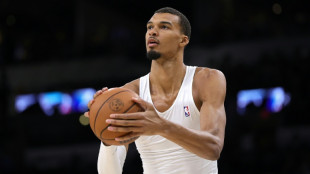 Wemby makes first All-NBA first team but not unanimously
 Delighted Hamilton rolls back years with vintage runner-up effort
 Four in a row for Antonelli after victory in Canada
 Clark fires sizzling 60 to win PGA CJ Cup Byron Nelson title
 Antonelli wins Canadian Grand Prix to extend championship lead
 Second division Torreense stun giants Sporting in Portuguese cup final
 Djokovic comes from behind to keep Roland Garros bid alive

 Villarreal crush Atletico to claim third in La Liga
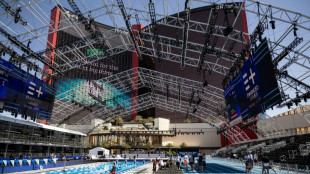 Ready, set, dope: Enhanced Games to begin in Las Vegas
 'Be yourself' Guardiola tells Man City successor
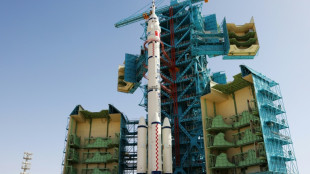 China launches crewed space flight as part of Moon ambitions
 Juve's derby with Torino delayed by an hour after trouble leaves fan in hospital
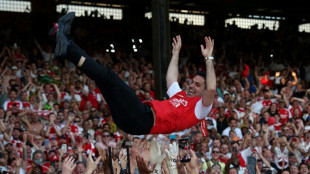 Arteta savours Arsenal's 'beautiful' trophy celebration
 Arsenal lift Premier League trophy after beating Palace
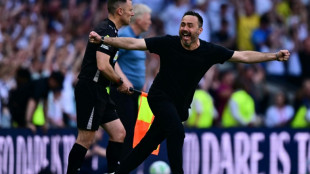
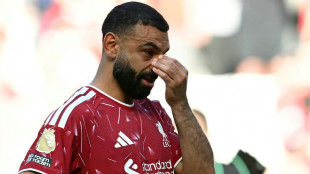
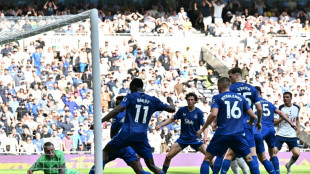 Spurs win to relegate West Ham as Guardiola, Salah say Premier League farewells
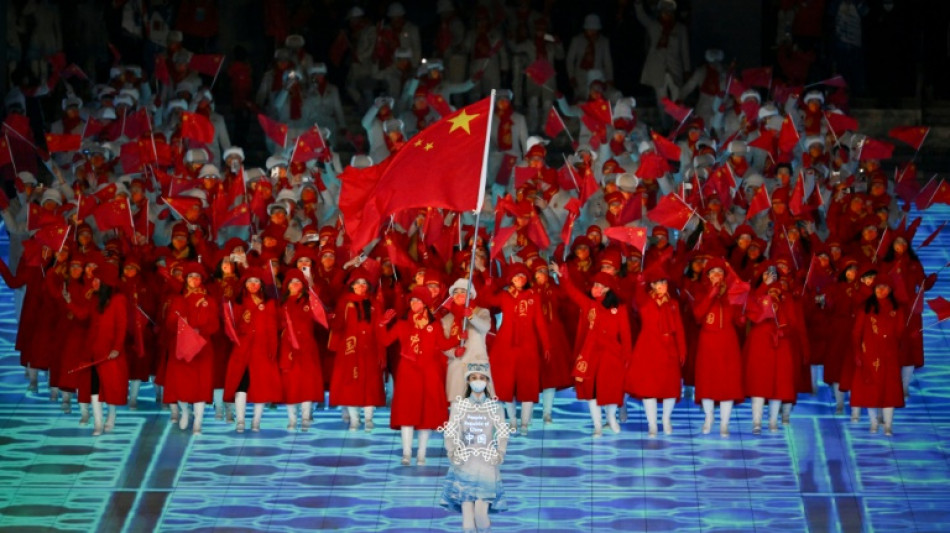
President Xi Jinping declared the Beijing Winter Olympics open Friday as China tried to turn the page on a build-up overshadowed by human rights concerns, Covid and a US-led diplomatic boycott.
Fireworks exploded over the "Bird's Nest" as the lattice-shaped stadium took centre stage, just as it did at the 2008 Games, as Beijing becomes the first city to host both a Summer and Winter Olympics.
Xi, under whose rule China has adopted a more muscular attitude internationally compared to 14 years ago, was given a rapturous welcome by the socially-distanced crowd wearing face masks, for what his ruling Communist Party hopes will be a soft-power triumph.
The snowflake-themed ceremony got off to a solemn start when eight soldiers slow-marched with the Chinese flag, before the national anthem rang out into the cold night air.
"I declare the 24th Beijing Winter Olympics open," said Xi, who was joined by world leaders including Russian counterpart Vladimir Putin, the two having met earlier in the day.
China and Russia have both seen ties with Washington deteriorate markedly, and with tensions rising in Europe over Russia's troop build-up on the Ukrainian border, Putin hailed the "truly unprecedented nature" of relations with his hosts.
The United States, Britain, Canada and Australia are among countries staging a diplomatic boycott of the Games over China's rights record, particularly the fate of the Muslim Uyghur minority in Xinjiang.
Their athletes will still compete at the Games, which run until February 20 and are taking place inside a vast "closed loop" bubble designed to thwart the virus.
- 'Fragile world' -
About a third of the 90,000-capacity "Bird's Nest" was full, but like sports events at the Games, tickets were not sold to the public because of the pandemic.
The show was the mastermind of acclaimed Chinese film director Zhang Yimou, who was behind the 2008 extravaganza.
This time about 3,000 performers -- with masks saying "WELCOME" -- took part in a comparatively low-key affair. The main stage was a giant LED screen.
After the teams marched into the arena, International Olympic Committee president Thomas Bach told them: "In our fragile world, where division, conflict and mistrust are on the rise, we show the world -- yes, it is possible to be fierce rivals while at the same time living peacefully and respectfully together."
- 'Appalling' -
Despite the warm words and party atmosphere, the lead-up to the Games was clouded by controversy, including warnings about surveillance of athletes and what will happen to them if they make anti-China comments.
Speaking in Beijing, American figure-skating coach and former Olympian Adam Rippon said he hoped the Games will bring added scrutiny.
"What I hope with these Games is that there is so much attention brought to these issues about human rights it does put pressure on the Chinese government to really address it," Rippon, a bronze medallist at the 2018 Winter Games, told CNN.
There are also environmental concerns about holding a Winter Games in one of the driest places in China and on almost entirely man-made snow.
Then there is Covid. The nearly 3,000 athletes and tens of thousands of support staff, volunteers and media have been cut off from Beijing's general population.
China, where the virus emerged in late 2019, has pursued a no-nonsense zero-Covid policy and adopted the same approach to the Games, with everyone inside the bubble tested daily and required to wear a mask at all times.
There have been more than 300 Covid cases in the bubble, among them an unknown number of athletes.
- 'In our hearts' -
Unlike the huge celebrations and outpouring of national pride that greeted the 2008 Games -- seen as China's coming-out party -- enthusiasm this time has been noticeably more sober among locals.
Covid restrictions meant that most people watched the show from home and will likewise see the sport over the coming fortnight from their sofas.
Speaking on the streets of the capital, Yin Rui, 31, said she was eager to watch on television.
"Even if they are at home people will cheer for the Olympics," she told AFP, adding that "enthusiasm in everyone's hearts remain" for the Games -- even though they will take place behind high fences and closed doors.
Some sports, such as curling and figure skating, have already begun and Saturday will see the first gold medal of the Games, in cross-country skiing.
J.Gomez--AT