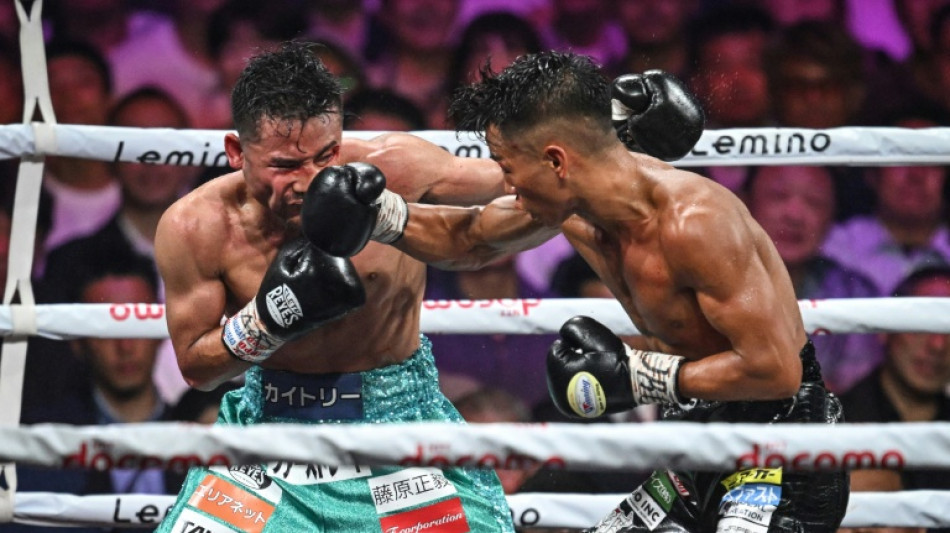
Attack and never give up: Inside Japan's deadly boxing scene / Photo: Yuichi YAMAZAKI - AFP/File

 Bezzecchi takes Aragon MotoGP pole, Marc Marquez ripostes in sprint

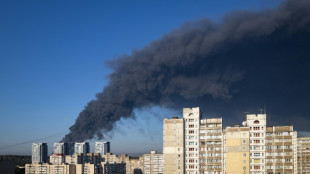
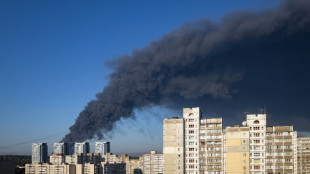 Russia strike blows up arms depot near Kyiv, killing 37
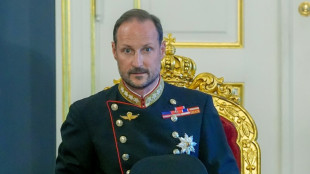 Norway, in mourning, enters a new era under King Haakon VIII
 Rain frustrates England's bid for Pakistan series win
 Rafael Leao leaving AC Milan for Galatasaray
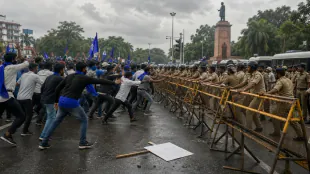 Bhim Army Protesters and Police Scuffle During Patna BPSC March

 BJP Leadership Reviews Youth Outreach and Seven State Elections

 Omitted Social Justice Figures Trigger Dispute Over Tamil Nadu Policy Note
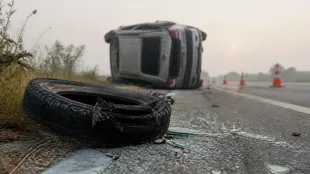
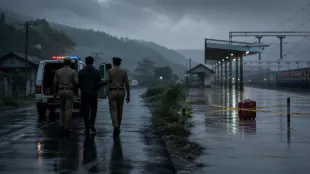 Suspect Arrested in Manipur After Body Found on Tamil Nadu Express

 Celebrities Share Late-Summer Photos in August Gallery

 Judge Grants Brittany Cartwright Temporary Restraining Order Against Jax Taylor

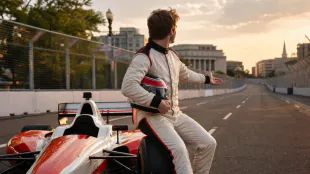 Freedom 250 Winner Kirkwood Jokes Against IndyCar Return to Washington

 Police Report Details Famous Dex Domestic Battery Allegations

 Jerusalem Police Operation Uncovers Second Temple-Era Burial Cave

 Sabalenka Defends Basketball-Inspired Nike Kit at US Open

 RoboSense Robotics Revenue Expands as New Sensor and Joint Products Near Production

 Running a Local Language Model Offers Privacy With Hardware Trade-Offs

 Trump Call Briefly Interrupts Nvidia Company Meeting

 KFF Health News Minute Tracks Weekly US Healthcare Developments

 China Auto Exports Surge as Industry Moves Toward Overseas Production

 US Accelerates Review for 30-Year Trans-Alaska Pipeline Renewal

 Russian Strike in Kyiv Region Kills at Least 27 and Forces Evacuations

 Opinion Debate Revisits Privilege and the Meaning of Noblesse Oblige
 Nepalis cling to hope for missing, three days after disaster
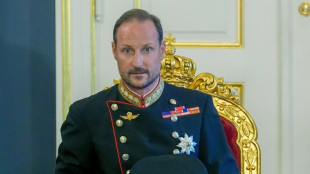 Norway mourns passing of King Harald as son King Haakon VIII ascends throne
Drastic weight loss, ferocious sparring and lax regulation have created a dangerous environment in Japanese boxing, as the sport battles for its future in the country after two fighters died.
Super featherweight Shigetoshi Kotari and lightweight Hiromasa Urakawa, both 28, fought separate bouts on the same card at Tokyo's Korakuen Hall on August 2 and died days later following brain surgery.
Another Japanese boxer died after a bout in Tokyo in December 2023 and one more has been in a coma since May this year.
The twin tragedies this month sent shockwaves through Japanese boxing, with authorities scrambling to investigate and under pressure to tighten safety.
Although no clear causes for the deaths have been identified, several factors have emerged that paint a high-risk picture of Japan's boxing scene.
"I believe it is safe but the results are everything," Hideyuki Ohashi, manager and promoter of Japan's undisputed super bantamweight world champion Naoya Inoue, told AFP.
"Three people have died (since December 2023) and that's nothing to be proud of."
Following the latest deaths, governing body the Japan Boxing Commission (JBC) held emergency meetings with the Japan Pro Boxing Association (JPBA), which represents boxing gym owners.
One issue under the microscope is the practice of boxers dehydrating to rapidly lose weight before a weigh-in, then putting it back on before a fight.
The practice is regarded as a factor in making the brain more susceptible to bleeding, the World Boxing Association says.
JBC secretary-general Tsuyoshi Yasukochi says the practice -- which is also common in other countries -- has only become widespread in Japan in recent years and its "safety is not fully understood".
"We held classes on dehydration last year where the figure we presented was two to four percent (of a boxer's body weight) at the very most," he told AFP.
"Japanese boxers nowadays lose 10 to 12 percent in just a few days. I think that's very dangerous."
- All-out attack -
Unlike in Britain, where authorities can ban fighters who use saunas to dehydrate, Japanese boxing officials can only warn fighters whose weight drastically changes between a weigh-in and a fight.
Officials in Japan are proposing a rule forcing those who regain more than 10 percent of their body weight to move up a weight class for their next bout.
There is no uniform rule in world boxing about how much weight a fighter can lose and then pile back on.
The JPBA says more data needs to be analysed before a conclusion can be reached about the best way to tackle it.
"What happens if we enforce a rule where a fighter isn't allowed to gain more than 10 percent of their weight and then they go into a world title fight where they're facing someone who that rule doesn't apply to?" said JPBA official and gym owner Kazuhiro Ryuko.
"It makes it pointless to aim for the top and in fact it only increases the risks."
Other safety measures under consideration include restrictions on sparring, which JBC chief Yasukochi says is "much more intense" in Japan than other countries.
He says it typifies the attitude of Japanese boxers, who "never give up, no matter what".
He also believes that more Japanese fighters are focusing on attack at the expense of building defensive skills.
"Japanese boxers attack from the first round, it's not about strategising and taking your time," said Yasukochi.
"As soon as the bell rings, they go straight in and attack.
"That's become the mainstream approach and I think it's one reason why they take damage."
- Lost trust -
Boxing in Japan has a history of more than 100 years and has developed in different ways from other countries in some respects.
Everyone involved in the sport in the country, from fighters to trainers and managers, must belong to a boxing club, of which there are over 150 in Tokyo alone.
Clubs must apply to the JBC for members' licences and Yasukochi says requests have historically been rubber-stamped with little scrutiny because of a "long-standing relationship of trust".
After the latest deaths, he says stricter oversight must be introduced.
"I feel that this trust is gradually being lost," said Yasukochi.
The JBC and JPBA hope to announce concrete safety measures in September, with issues including ambulance availability and the use of MRI scans also under discussion.
All parties have stressed the need to act quickly and admit that the future of Japanese boxing is at stake.
"I think it's really difficult to reduce the number of accidents to zero," said the JPBA official and gym owner Ryuko.
"But the JPBA, the JBC and everyone involved in boxing needs to think about how to make it as close to zero as possible."
A.Moore--AT