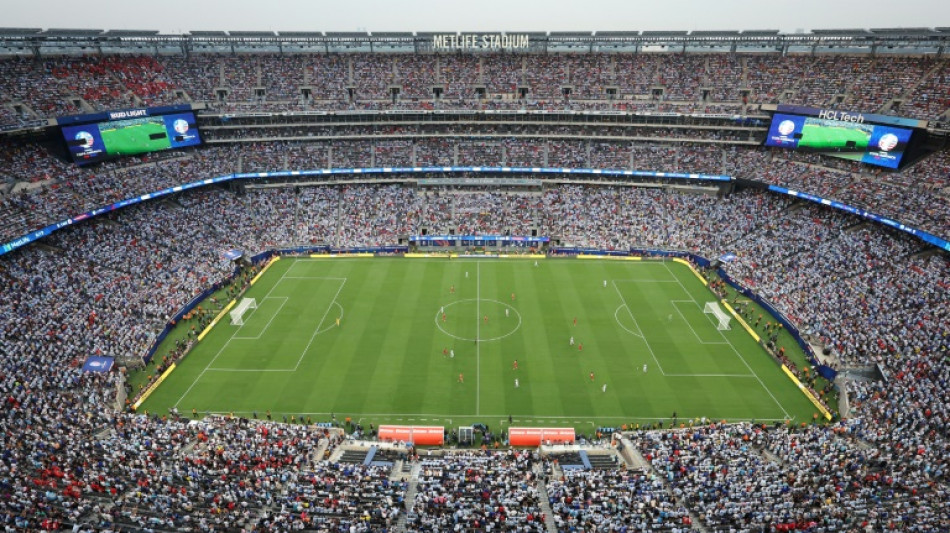
Canada, US, Mexico brace for World Cup extravaganza / Photo: AL BELLO - GETTY IMAGES NORTH AMERICA/AFP

 Germany defender Rudiger announces international retirement
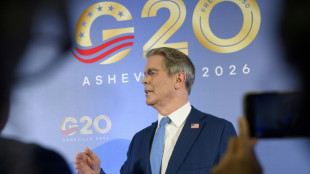
 Musk defends AI data centers, slams EU rules at G20
 Activists blame Kenya for Ugandan opposition figure's plight
 Iran president offers US olive branch, hails Russian support

 TrustFinance Community Choice Awards 2026 Opens Global Voting

 Nepal disaster a climate 'warning signal': foreign minister

 France winger Diaby returns to Leverkusen until 2031

 Barcelona confirm Jesus arrival from Arsenal

 EU official says it's not time to 'normalize' Russia at G20 finance talks
 RedHill Announces Transformational Acquisition of Commercialization Rights to Ferring’s Rebyota® and Clenpiq®
 TrendEadvisor Launches Global Multi-Asset Platform Combining Online Investing with Social Trading
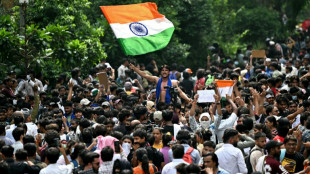 India's top court drops criminal cases against protesters
 Philippine couple married in hip-deep floodwaters

 Villa sign Senegal winger Mbaye from PSG

 Former Peru minister last-minute contender for UN labour agency helm

 Messi legacy will 'live forever', says Beckham
 'Literally tasting the smoke': Malaysians suffer as haze worsens

 Kyiv's defences, 'hybrid' threat from Moscow headline EU talks
 Oil extends gains, stocks mostly down as Trump issues fresh Iran warning

 ThinkMarkets Expands Weekend Trading Offering, Launches Weekend League Competition

 Tibet activists accuse China of downplaying floods
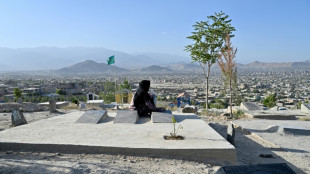 Afghanistan war victims left 'without justice', UN says
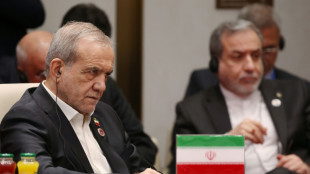 Iran president offers US olive branch before Putin meeting
 China-Nepal flood toll tops 1,000 as tunnel rescue offers last hope

 Japan to relax overtime regulation under workaholic PM
The largest and most complex World Cup in history kicks off in just over a year's time, with the United States, Canada and Mexico co-hosting the football extravaganza against a backdrop of political tension triggered by Donald Trump.
Forty-eight teams and millions of fans are set to descend on North America for the first ever World Cup shared by three nations, with the tournament getting under way on June 11 next year.
In theory, the 23rd edition of the most popular sporting spectacle on the planet has all the makings of a successful tournament.
An array of venues ranging from Mexico's iconic Estadio Azteca to the glittering $5 billion SoFi Stadium in Los Angeles will play host to 104 games spread over nearly six weeks.
The United States will host the bulk of those fixtures -- 78 -- with Canada and Mexico staging 13 each.
All games from the quarter-finals onwards will be held in the United States, with the tournament culminating in the final at New Jersey's 82,500-seater MetLife Stadium on July 19, 2026.
- 'Like 104 Super Bowls' -
American officials believe the return of the World Cup to the country -- 32 years after the United States hosted the 1994 finals -- could represent a watershed moment for football in the country.
"The World Cup is going to raise the attention of the sport in ways that nobody ever dreamed of," said Don Garber, the commissioner of Major League Soccer.
FIFA's President Gianni Infantino meanwhile has been hyping next year's finals as the equivalent of "104 Super Bowls", contrasting the World Cup's estimated six billion viewers to the 120 million or so who tune in for the climax of the NFL season.
There are historical precedents which suggest the hype might be justified. The 1994 World Cup in the United States remains the best attended World Cup in history, with an average of 68,600 fans flocking to each game.
Yet while organisers eagerly anticipate a commercial success, with one FIFA estimate suggesting it could generate a mammoth $11 billion in revenues, questions over other aspects of the tournament remain.
The 48 teams -- up from 32 in 2022 -- will be spread into 12 groups of four, with the top two teams in each group advancing to the knockout rounds, and the eight best third-placed teams joining them to make up a last 32.
That expansion is likely to reduce the sense of jeopardy in the first round, a problem seen in other major championships which have increased in size in recent years.
- Visa backlog -
There is also the question of how the polarising policies of US President Trump may impact the tournament.
Since taking office, Trump has launched a global trade war, repeatedly threatened to annex World Cup co-host Canada and launched an immigration crackdown at US borders which has seen overseas visitors from countries like France, Britain, Germany and Australia either detained or denied entry in recent months.
Trump this week signed a travel ban on 12 countries including Iran, who have qualified for the World Cup, but the ban will not apply to players taking part in the tournament.
Trump, who is chairman of a White House task force overseeing preparations for the World Cup, says overseas fans travelling to the tournament have nothing to fear.
"Every part of the US government will be working to ensure that these events are safe and successful, and those traveling to America to watch the competition have a seamless experience during every part of their visit," Trump said last month.
FIFA chief Infantino, who has forged a close relationship with Trump, echoed that point, insisting that America was ready to "welcome the world."
"Everyone who wants to come here to enjoy, to have fun, to celebrate the game will be able to do that," Infantino said.
With one year to go however, it is by no means clear that Infantino's pledge will hold up.
US Secretary of State Marco Rubio said last month that some embassy staff may be required to work double-shifts to expedite visa processing, citing the example of Colombia, where US visa wait times are currently 15 months.
"If you haven't applied for a visa from Colombia already, you probably won't get here in time for the World Cup unless we go to double shifts," Rubio told lawmakers on Capitol Hill.
Those fans who do make the trip to North America may also find themselves having to fork out a small fortune due to FIFA's reported decision to use dynamic pricing to determine ticket prices.
That system, where prices on ticketing websites fluctuate according to demand, may well force fans to shell out thousands of dollars to obtain tickets for the highest profile games.
"Dynamic pricing does not belong in football because it is an exploitation of fans' loyalty," Ronan Evain, the executive director of the Football Supporters Europe fan group told The Times. "It would be a fiasco for FIFA to use it for the World Cup."
T.Perez--AT