Iraq: from IS gains to the battle for Fallujah

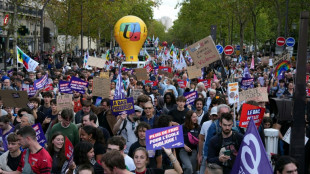
 Demonstrations backing France's protesting students gather strength
 Trump says US Senate as hard to defend as House in midterms
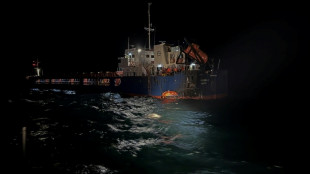
 Suspected Russian drones hit two ships off Bulgaria, 11 missing
 Tech stocks slide on AI jitters

 Trump asks Greece ambassador to resign amid ethics scandal
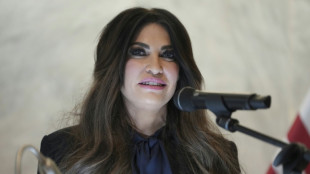
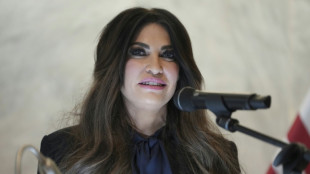
 New White House spokeswoman heavy on Trump praise, light on questions in debut
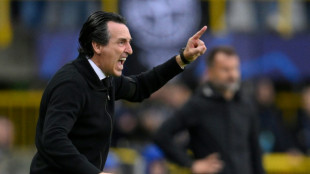 Emery urges Villa to make most of reduced home comfort
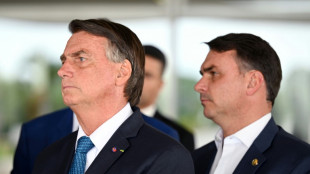 Flavio Bolsonaro visits father under house arrest ahead of Brazil runoff

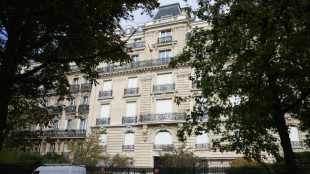 France, Eq. Guinea in standoff over luxury Paris mansion
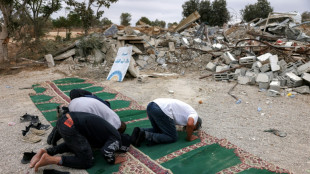 'Holding our ground': Israel demolishes dozens of Bedouin homes
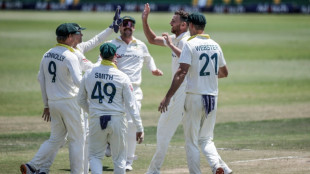
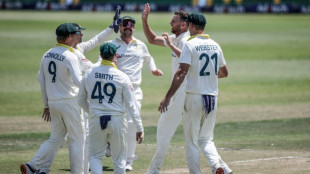 Hazlewood takes six as Australia beat South Africa in 1st Test
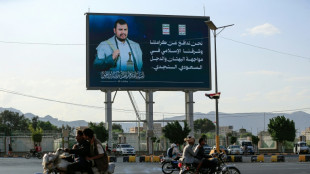 Saudi coalition tells Sanaa residents to flee site before operation
 Zverev defies 'physical issues' to reach Shanghai Masters quarter-finals
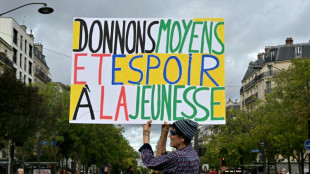 'We're not giving up': Activist Thunberg joins France student protests
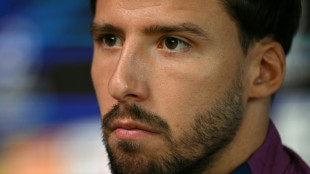 Man City captain Dias defends celebrations after Liverpool win

 B2PRIME Expands Tier-1 Access and Liquidity Architecture for Sophisticated Institutional Flow

 STARTRADER Adds 48 US Stock CFDs with 24-Hour Weekday Trading
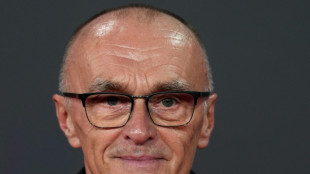 'Ink' director Danny Boyle slams Trump's Truth Social 'lies'
 Coach Kovac extends contract at Dortmund until 2029
 Activist Thunberg joins France student rally after violence at protests

 Archer and Bethell in England squad for Australia ODI series

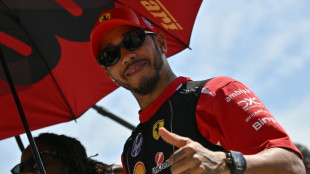 Formula One to return to Africa in 'early 2030s' in Rwanda
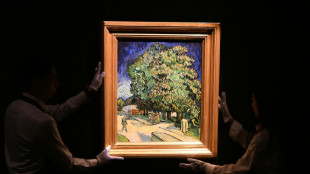
 US actor Selma Blair charged with assault after alleged flight altercation
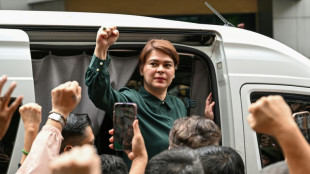
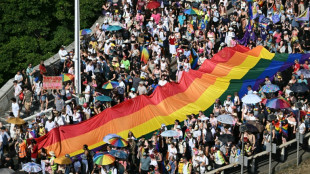 Hungary cuts anti-LGBTQ legislation from Orban-era law
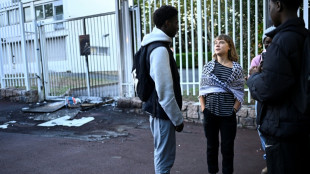 'Our future is being robbed': Greta Thunberg joins France student protests
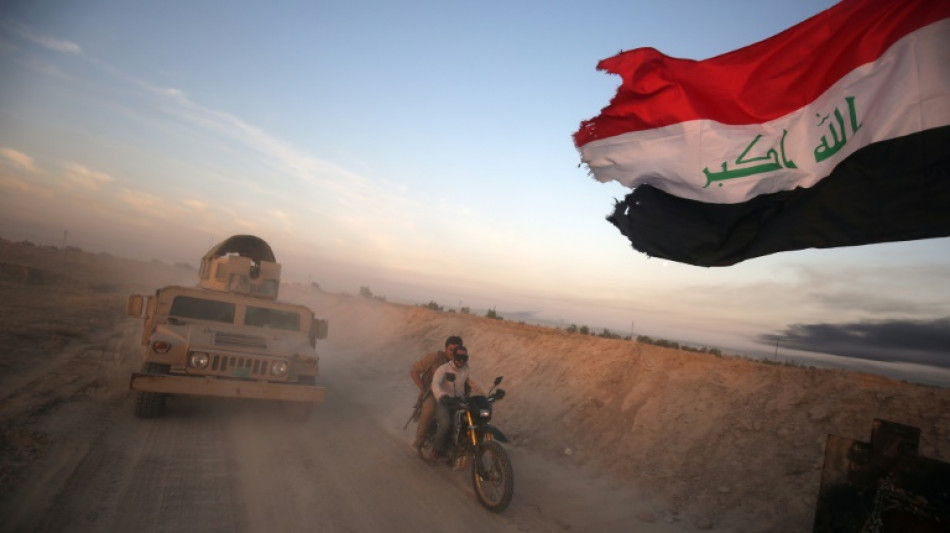
Events in Iraq from the breakthrough by Islamic State group (IS) fighters in 2014 to the government counter-attack.
2014: Jihadist breakthrough
On January 4, Iraq loses its first key town since the US-led invasion of 2003. Fighters from the Islamic State of Iraq and the Levant (ISIL) and allies capture Fallujah and parts of Ramadi, west of Baghdad.
The vast Anbar province that surrounds the two towns is predominantly Sunni Muslim and fiercely resisted US troops when they occupied Iraq.
On June 9, ISIL captures Mosul, the second largest Iraqi city in the north, and declares an Islamic caliphate on June 29, calling itself the Islamic State group.
The jihadists also control Tikrit, home town of late dictator Saddam Hussein north of Baghdad, and large parts of the country up to Iraqi Kurdistan. IS drives out tens of thousands of Iraqi Christians and Yazidis, a Kurdish-speaking non-Muslim minority that lives around Sinjar near the border with Syria.
On August 8, the United States launches air strikes against IS and a month later has created a coalition to target the group in Iraq and Syria.
2015: Counter-offensives
On March 31, Iraqi troops and Shiite militias backed by neighbouring Iran recapture Tikrit.
By May 17 however, IS completely controls Ramadi, the capital of Anbar province which stretches west to Syria where IS has declared a de-facto capital in Raqa.
Later in the year, Iraqi forces and coalition air strikes begin driving IS back, and by mid-October they have recaptured Baiji and its strategic refinery north of Baghdad.
Kurdish forces backed by air strikes recapture Sinjar on November 13, severing an IS supply route between Iraq and Syria. Coalition strikes intensify after November 13, when attacks claimed by IS kill 130 people in France.
On December 27, Iraqi forces say they have liberated Ramadi, their biggest victory against IS to date. But the city is not totally cleared until February 9, 2016.
2016: Fallujah and Mosul
The government focuses on recapturing Fallujah and Mosul, IS's last strongholds in Iraq.
Officials have vowed to drive the jihadists out in 2016, but Washington is more cautious, evoking the fall of Mosul late this year or in early 2017. Observers say Fallujah is more of a priority for the Baghdad government.
In April, Washington says it will send attack helicopters and another 200 soldiers to train and assist Iraqi troops, bringing the total number of US military personnel in Iraq to more than 4,000.
On March 24, the army and allied militia begin an offensive in the northern Nineveh province around Mosul, making slow progress. On May 29, Kurdish peshmerga fighters backed by the international coalition recapture several villages east of Mosul.
To the south, coalition-backed Iraqi troops begin to squeeze Fallujah in March and capture Heet and Rutba, towns which control supply routes between Iraq and Syria.
On May 23, they begin an offensive to retake Fallujah, where several tens of thousands of civilians are trapped.
IS strikes back with suicide attacks in Baghdad and elsewhere, but is now estimated to control just 14 percent of Iraq, down from a peak of 40 percent in 2014.
On May 30, elite troops begin a three-pronged dawn assault on Fallujah.
K.Hill--AT