
-
 Messi sparkles on return as Somali referee says World Cup dream over
-
Iran, US trade blows as Middle East peace deal draws no nearer
-
 Salt: integral ingredient of sumo stars' art
-
Staal shines as Carolina beat Vegas 5-3 to level Stanley Cup Final

-
 Messi scores on injury return as Argentina beat Iceland in World Cup warm-up
-
Art, maths and killing: Ukraine drone chief's formula to stop Russia

-
 Tech leads Asia losses, oil rises as rollercoaster week rumbles on
-
Messi set to return as Somali referee says World Cup dream over

-
 Former Wallabies skipper Wright signs for Welsh club Ospreys
-
Pope to bless Barcelona's Sagrada Familia, world's tallest church

-
 Emotional World Cup return to Mexico for South Africa coach Broos
-
Bill Gates faces questioning in US Congress over Epstein ties

-
 'The Donald of Dubai': property tycoon seeks to become data king
-
PGA Tour to co-sanction Australian Open in global push

-
 Elon Musk, after DOGE and politics, bets on SpaceX IPO
-
Saudis in World Cup spotlight after $2bn spending spree

-
 Mexico doubles down on security before 2026 World Cup
-
US must not be 'too honest' at World Cup, says Roldan
-
 Italian astronaut to pilot Artemis III mission
-
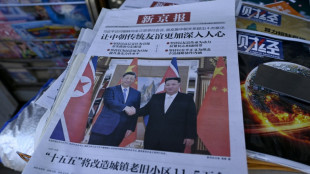
North Korea says Xi's visit produced 'far-reaching blueprint' for ties
-
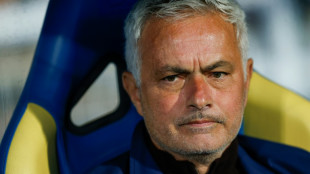 Benfica say farewell to Mourinho as Real Madrid return nears
-
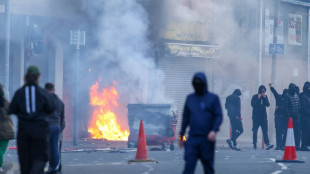
Protesters torch buildings and vehicles, block roads over Belfast stabbing
-
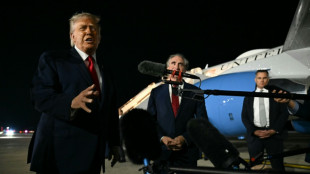 US strikes Iran after Apache helicopter downing
-
Threats to US lawmakers spiked after Meta eased moderation: watchdog

-
 Nick Reiner seeks trust fund money for parent murder defense
-
Spain, France qualify for 2027 Women's World Cup as England wait

-
 Protesters torch building and vehicles, block roads over Belfast stabbing
-
A woman in charge of the UN? Candidates feel it's about time

-
 US tech shares resume sell-off while oil prices retreat
-
Protesters block road to Mexican World Cup stadium

-
 White House World Cup chief defends visa ban for Somali referee, Iranians
-
Serena back in the groove on triumphant return to tennis

-
 'It doesn't matter': US star Reyna looks past World Cup scandal
-
Somali referee says World Cup 'dream' ruined

-
 Knicks ready to 'throw the first punch' in NBA Finals
-
'Beaten to death': the grim toll of Ecuador's security crackdown
-
 Anthropic opens most powerful AI model to public with safeguards
-
Serena Williams makes winning return in Queen's Club doubles

-
 Trump vows response after Iran shoots down US helicopter
-
Real Madrid's 150 mn euros bid for Atletico's Alvarez rejected

-
 Spurs handling physicality of Knicks and New York hostility
-
Peru election chief tells AFP count could take two weeks
-
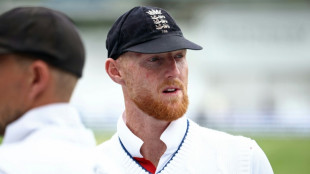 Stokes considering England captaincy future after nightclub incident
-
Atalanta sack coach Palladino with Sarri set to arrive

-
 Italian Luca Parmitano to be first European to join an Artemis mission: NASA
-
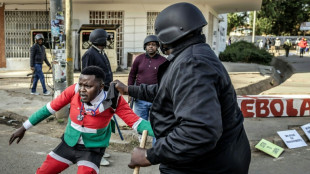
One killed as Kenyan protests at US Ebola centre turn violent
-
 Somali government deeply regrets axing of referee from World Cup
-
Scotland First Minister vows to help fans refused entry for World Cup in US

-
 Stocks slump as US tech rebound falters, oil dips below $90
-
Somalia backs referee after he is denied entry to US

Nigeria's kidnapped schoolgirls: two years gone
Here is a snapshot of key events since the abduction of more than 200 schoolgirls from the remote town of Chibok in northeastern Nigeria two years ago.
Nigeria's army confirmed on Wednesday that one of the girls has been found.
- Snatched from school -
On April 14, 2014, gunmen from the Islamist group Boko Haram seize 276 girls from the Government Girls Secondary School in Chibok, Borno state.
The girls are forced from their dormitories onto trucks and driven into the bush. Fifty-seven girls manage to flee.
An international media campaign is launched, backed by personalities including US First Lady Michelle Obama and Nobel Peace Prize laureate Malala Yousafzai.
The hashtag #BringBackOurGirls underpins a social media storm that ultimately achieves little.
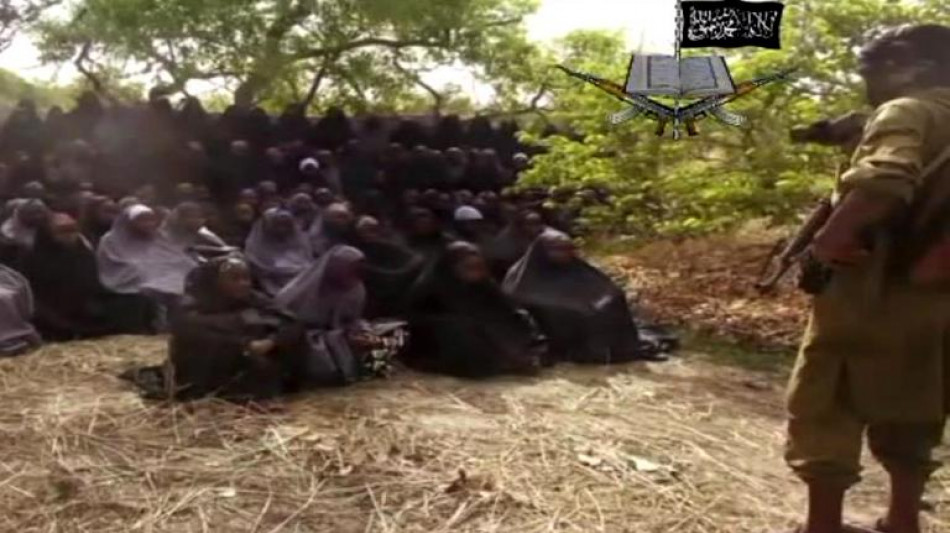
Boko Haram leader Abubakar Shekau claims responsibility for the mass abduction in a video released on May 5, and vows to sell the girls as slave brides.
- Global response -
One week later, a second video shows about 100 of the missing girls. Boko Haram says they have converted to Islam and will not be released unless militant fighters held in custody are freed.
On May 17, Benin, Cameroon, Chad, Niger and Nigeria vow to fight Boko Haram together, in what Cameroon President Paul Biya terms a "declaration of war".
The UN Security Council says the kidnappings "may amount to crimes against humanity," after Britain, China, France, Israel and the US offer help.
US military specialists deploy to neighbouring Chad but later move elsewhere after Nigeria stops requesting their services.
On May 26, Nigeria's Chief of Defence Staff Alex Badeh says the girls have been located but warns a rescue operation would put their lives at risk.
- 'Married off' -
On October 31, Shekau quashes rumours of a deal with Nigerian authorities and says the girls have converted to Islam and been "married off".
- One year on -
On April 14, 2015, Nigeria's president-elect Muhammadu Buhari warns he "cannot promise that we can find" the girls, as vigils are held in many countries to mark their first year as hostages.
Amnesty International believes the girls have been separated into three or four groups and are being held in camps, some of which might be in Cameroon or Chad.
- Others freed -
Buhari says in late December he is willing to negotiate with any "credible" Boko Haram leadership, a week after claiming the country has "technically" won the war against Boko Haram.
Throughout 2015, the Nigerian military announces the rescue of hundreds of people, most of them women and children, who have been kidnapped by Boko Haram.
But the missing schoolgirls are not among them, despite several unconfirmed sightings.
Suicide attacks using women and young girls increase against "soft" civilian targets such as mosques, markets and bus stations, fuelling fears about Boko Haram's use of its captives.
In March 2016, it emerges that Boko Haram also seized 500 women and children from the Borno town of Damasak just months after the Chibok abduction. The kidnapping had been denied at the time.
- 'Proof of life' -
On April 13, 2016, US television station CNN reports that Boko Haram has sent a "proof of life" video which shows 15 of the girls, the first concrete indication that at least some are still alive.
On May 18, 2016 the Nigerian army confirms the first of the schoolgirls has been found.
L.Adams--AT