Transatlantic ties 'disintegrating': German vice chancellor / Photo: Tobias SCHWARZ - AFP/File

 Jansen, Rabada put South Africa in sight of win over Australia

 Low Rhine weighed on German growth: central bank
 OpenAI says its AI agents disabled their own safety monitors
 Alldritt returns as France call up seven newcomers for Nations Championship

 UN issues call to arms to combat off-the-charts El Nino
 Nigeria Ebola case matches DR Congo strain
 Musk's SpaceX helps launch stock market gains
 Rose salutes Bournemouth's past heroes ahead of AC Milan clash

 Argentina's Milei calls Spain PM Sanchez a 'dictator' in Madrid visit
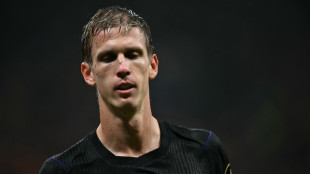 Barca's Olmo injured for a month, misses Clasico
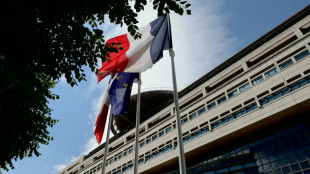
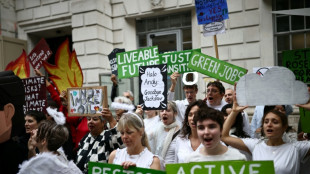 Impacts of UK's new North Sea gas drilling

 Jansen takes five for South Africa as Australia forced to follow on

 Toulouse v Troyes Ligue 1 game postponed as France gripped by unrest
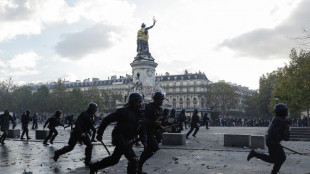
 PSG winger Kvaratskhelia's season in doubt after torn ACL
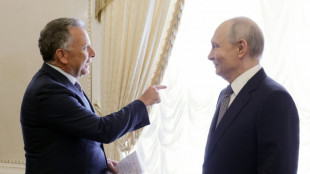 Putin, Witkoff meet in Russia for Ukraine war talks

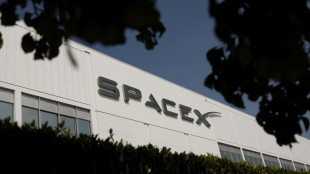 Musk's SpaceX helps fuel stock market gains
 Authors urge UK to halt 'draconian' Palestine Action ban as Rooney sales end
 South Korea guides crowd-pulling shark out of canal

 PSG's Kvaratskhelia season in doubt after torn ACL

 President berates countries that 'insult' Indonesia over wildfires
 PSG's Kvaratskhelia set for months out with torn ACL
 Japan sends senior diplomat to Russia over detained journalist
 Rising UK inflation, debt knocks govt ahead of budget

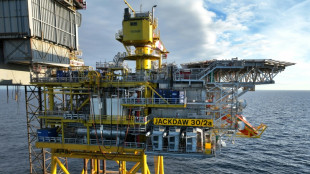
 UK govt approves drilling in controversial Jackdaw gas field
 US envoy to meet Putin after 'positive' talks with Zelensky

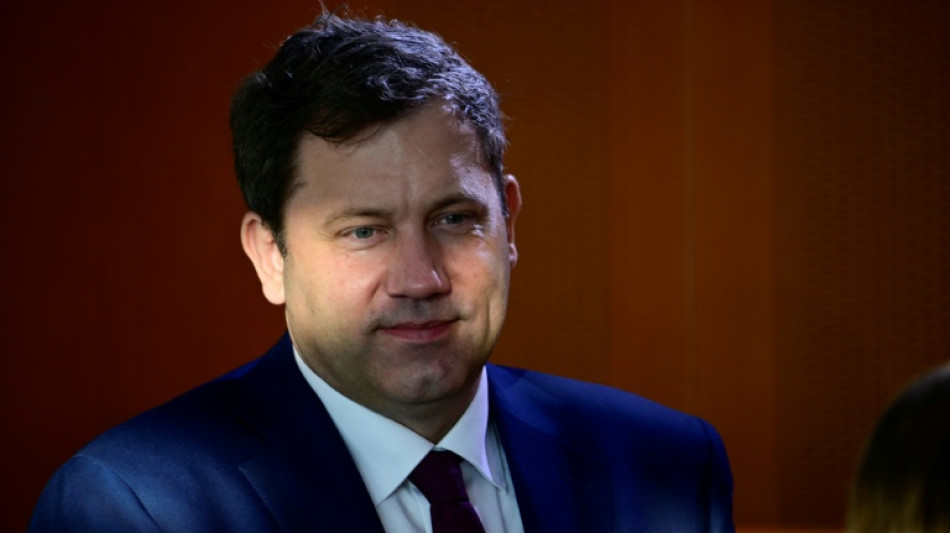
Germany's vice chancellor warned Wednesday that Europe's ties with the United States were "disintegrating" as they endure a "historic period of upheaval" under President Donald Trump's administration.
"The transatlantic alliance is undergoing a much more profound upheaval than we may have been willing to admit until now," Lars Klingbeil, also Germany's finance minister, said in a speech in Berlin.
"The transatlantic relationship as we have known it is currently disintegrating."
Klingbeil said he had become even more convinced of this in recent days. He paid a visit to Washington this week along with Foreign Minister Johann Wadephul.
The vice chancellor is from the centre-left SPD party that governs in coalition with the conservative bloc led by Chancellor Friedrich Merz, and his language is stronger than any used by Merz in recent times.
Klingbeil listed a string of reasons for his belief that ties between the United States and Europe, traditionally close allies, were radically changing.
While Nicolas Maduro, Venezuela's former president who was captured in a US raid on Caracas, was a "brutal dictator", Washington's military action had violated "the principles of international law", Klingbeil said.
"And we should not view Venezuela as an isolated case," he said, noting the Trump administration had made threats against other Latin American countries.
He also cited Trump's threats to seize Greenland and his administration's comments in its national security strategy that Europe was facing "civilisational erasure".
"We are currently living in the midst of a historic period of upheaval ... in which all the certainties we could rely on in Europe are under pressure," said Klingbeil.
The United States and Germany, Europe's top economy, had long been united by a shared interest in free trade and open markets, said Klingbeil.
"That is no longer the case today. But that does not mean that we are abandoning free trade or open markets," he said.
"We must not abandon rules-based trade. We must defend this order, even without our American partners if necessary."
E.Flores--AT