
Sudan forces fire tear gas at protests as death toll from tribal clashes rises / Photo: - - AFP

 Saudi airport closure disrupts life in kingdom's capital

 Ramaphosa tells South Africa to prepare for loss of US-Africa trade deal
 France presses resale platforms to remove 'stolen' goods after unrest
 Yamal v PSG: Ballon d'Or backdrop to Champions League showdown
 Araujo says too soon to talk about permanent Liverpool move
 US wants to be 'strong partner' for central Asia: Rubio
 'Special' to face friend Perez in Champions League, says Liverpool's Iraola
 Monitor says Indonesia fires have burned nearly two million hectares

 French PM says could declare state of emergency over unrest 'if needed'
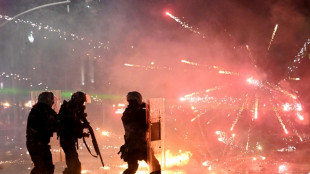 Albanian PM warns of 'red line' after days of unrest
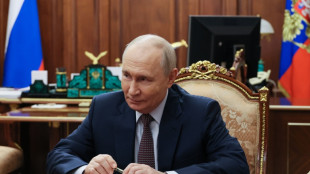 Putin, Xi and Trump could meet at APEC summit: Kremlin

 Microsoft exits data centre deal in blow to UK AI ambitions

 European stocks retreat as France violence spreads

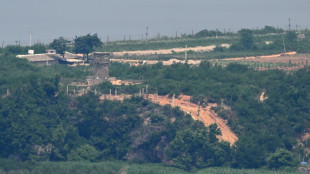 North Korea warns 'grave situation' prevailing along border
 Raya proud of Arsenal's 'incredible' reaction after third straight win

 Indonesia fires have burned nearly two million hectares: monitor
 Australian lawmaker 'critically' hurt in attack, officials say

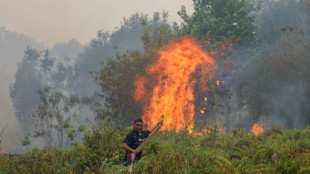 Indonesia fires burned over 1.9 mn hectares through September: monitor
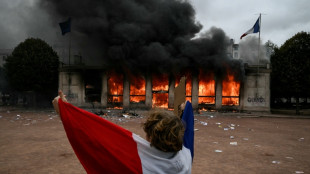
 Asian tech stocks mixed after Wall St losses, eyes on earnings

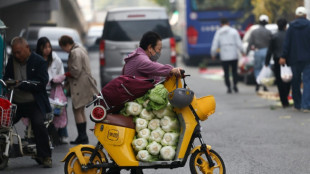 China's third-quarter growth narrowly beats forecasts
 Asian stocks start week on back foot, tracking tech-led Wall St losses
 China growth narrowly beats forecasts

 Faith and fury: Texas Senate rivals offer contrasting visions
 Women await justice for police killings in Brazil

 The painstaking task of cataloguing the world's species

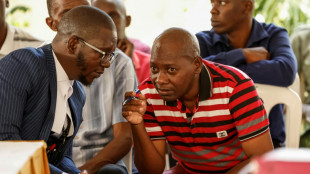
Police fired tear gas in Sudan's capital Khartoum Sunday against hundreds of anti-coup protesters who also called attention to increasingly deadly tribal clashes in the country's south.
The capital has been the scene of near-weekly protests since army chief General Abdel Fattah al-Burhan launched a power grab in October last year that derailed a transition to civilian rule.
The coup saw key donors pull the plug on funding, exacerbating a long-running economic crisis and feeding into inter-communal unrest in remote parts of the country.
Blue Nile state, bordering Ethiopia, is the latest crucible of tribal clashes -- and on Sunday, authorities there raised the death toll to 60, from 33 the previous day, in fighting that began nearly a week ago.
"Al-Damazin is bleeding," one Khartoum protester's placard read on Sunday, referring to the provincial capital of Blue Nile.
In the city of Wad Madani, some 200 kilometres south of Khartoum, protesters diverted their demonstration to the local hospital to "donate blood to our brothers wounded in tribal clashes in Blue Nile," protest organiser Ammar Mohamed told AFP.
The clashes in Blue Nile state, between the Berti and Hawsa tribes, first erupted last Monday.
The violence came after the Berti tribe rejected a Hawsa request to create a "civil authority to supervise access to land", a prominent Hawsa member had told AFP on condition of anonymity.
But a senior member of the Bertis had said the tribe was responding to a "violation" of its lands by the Hawsas.
The revised death toll of 60 was provided by Blue Nile health minister Jamal Nasser, who also told AFP that 163 people have been wounded.
"Violence is never a solution," UNICEF tweeted Sunday, in a country where the UN estimates half the population will be pushed into extreme hunger by September.
- Post-coup security vacuum -
Pro-democracy demonstrators accuse Sudan's military leadership and ex-rebel leaders who signed a 2020 peace deal of exacerbating ethnic tensions in Blue Nile for personal gain.
Security forces had erected road blocks on bridges crossing the Nile linking Khartoum to its suburbs, AFP reporters said, to deter protesters who vowed to take to the streets in large numbers to protest against Burhan.
Sudan's latest coup sparked regular protests and an ongoing crackdown by security forces that has killed at least 114, according to pro-democracy medics.
Nine were killed on June 30, the medics said, when tens of thousands gathered against the military.
Early this month, Burhan vowed in a surprise move to make way for a civilian government.
But the country's main civilian umbrella group rejected his move as a "ruse" and protesters have continued to press the army chief to resign.
The rallies on Sunday follow a period of relative calm in Khartoum in recent days.
Experts say last year's coup created a security vacuum that has fostered a resurgence in tribal violence, in a country where deadly clashes regularly erupt over land, livestock, access to water and grazing.
Guerrillas in Blue Nile battled former strongman president Omar al-Bashir during Sudan's 1983-2005 civil war, picking up weapons again in 2011.
Prompted by enormous protests against his rule, the army ousted Bashir in 2019.
Both areas remain underdeveloped and awash with weapons and there has also been an increase in violence in Darfur in recent months.
E.Rodriguez--AT