Japan PM faces reckoning in upper house election / Photo: STR - JIJI Press/AFP

 New levy on non-EU parcels kicks in November 1

 James Blunt reportedly sought extra underwear during Celebrity Traitors filming

 Trump says Canada trade deal coming 'soon'

 Police urge home-security checks as darker evenings return

 Kane primed to pip Yamal, Mbappe to Ballon d'Or glory
 UK households advised to prepare for three days without essential services

 Chiefs and 49ers suffer first losses of NFL season, Vikings stay unbeaten

 Obama mocks Trump tariffs on Canada during Michigan campaign stop

 Brewers erase four-run deficit as Rays lose World Series Game 2
 Shadab century and record last-wicket stand carry Pakistan past England

 Baylor dismisses Dave Aranda and appoints Joe Klanderman interim coach

 Stocks sink as traders brace for tech earnings, central bank decisions

 Albert Zahn’s carved birds find a lasting home in Wisconsin museums

 NPS Vatsalya offers three choices when a child turns 18

 China's Communist Party elite gather for governance talks
 Maine logging, cross-border ties whipsawed by US-Canada tariff war
 From Carnegie to Claude: AI wealth could reshape philanthropy

 India and Russia plan 2027 pilot voyages on Northern Sea Route

 What challenges await Brazil's Lula in his fourth term?

 Brazil's Lula defies odds to clinch poll victory against Flavio Bolsonaro

 Falcons hand 49ers first defeat of NFL season, Vikings remain unbeaten

 Top Gold IRA Companies in the US Ranked in New Gold IRA Reviews Analysis Report

 Readers debate YES Bank bonds, climate commitments and candidate disclosure
 Australian politicians pay tribute to wounded lawmaker

 Modi opens RBI data centre and cybersecurity training institute

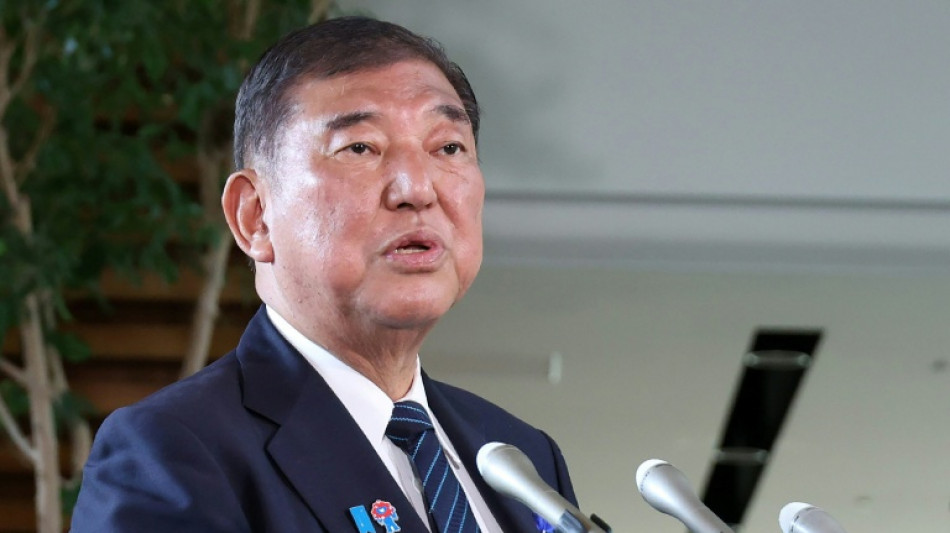
Japanese Prime Minister Shigeru Ishiba faces a reckoning from voters on Sunday with upper house elections that could end his premiership and see a right-wing populist party make inroads.
With many Japanese hurt by rising prices, especially for rice, opinion polls suggest that Ishiba's governing coalition could lose its majority in the upper house.
This could be the final nail for Ishiba, having already been humiliatingly forced into a minority government after lower house elections in October.
"Ishiba may need to step down," Toru Yoshida, a politics professor at Doshisha University, told AFP.
Japan could "step into an unknown dimension of the ruling government being a minority in both the lower house and the upper house, which Japan has never experienced since World War II," Yoshida said.
Ishiba's centre-right Liberal Democratic Party (LDP) has governed Japan almost continuously since 1955, albeit with frequent changes of leader.
Ishiba, 68, a self-avowed defence "geek" and train enthusiast, reached the top of the greasy pole last September on his fifth attempt and immediately called elections.
But this backfired and the vote left the LDP and its small coalition partner Komeito needing support from opposition parties, stymying its legislative agenda.
"Energy prices have swung sharply in recent months, as the government has flip-flopped between removing aid for household energy bills and adding new supports," said Stefan Angrick at Moody's Analytics.
- Trumped -
Out of 248 seats in the upper house, 125 are up for grabs on Sunday. The coalition needs 50 of these to keep a majority.
Not helping is lingering resentment about an LDP funding scandal, and US tariffs of 25 percent due to bite from August 1 if there is no trade deal with the United States.
Japan's massive auto industry, which accounts for eight percent of the country's jobs, is reeling from painful levies already in place.
Weak export data last week stoked fears that the world's fourth-largest economy could tip into a technical recession.
Despite Ishiba securing an early meeting with US President Donald Trump in February, and sending his trade envoy to Washington seven times, there has been no accord.
Trump last week poured cold water on the prospects of an agreement, saying Japan won't "open up their country".
"We will not easily compromise," Ishiba said earlier this month.
Ishiba's apparently maximalist strategy of insisting all tariffs are cut to zero -- although this could change post-election -- has also drawn criticism.
"How well his government is able to handle negotiations over US tariffs is extremely important, as it's important for the LDP to increase trust among the public," Masahisa Endo, politics professor at Waseda University, told AFP.
- 'Japanese first' -
The last time the LDP and Komeito failed to win a majority in the upper house was in 2010, having already fallen below the threshold in 2007.
That was followed by a rare change of government in 2009, when the now-defunct Democratic Party of Japan governed for a rocky three years.
Today the opposition is fragmented, and chances are slim that the parties can form an alternative government.
One making inroads is the "Japanese-first" Sanseito, which opinion poll suggest could win more than 10 upper house seats, up from two now.
The party wants "stricter rules and limits" on immigration, opposes "globalism" and "radical" gender policies, and wants a re-think on decarbonisation and vaccines.
Last week it was forced to deny any links to Moscow -- which has backed populist parties elsewhere -- after a candidate was interviewed by Russian state media.
"They put into words what I had been thinking about but couldn't put into words for many years," one voter told AFP at a Sanseito rally.
W.Moreno--AT