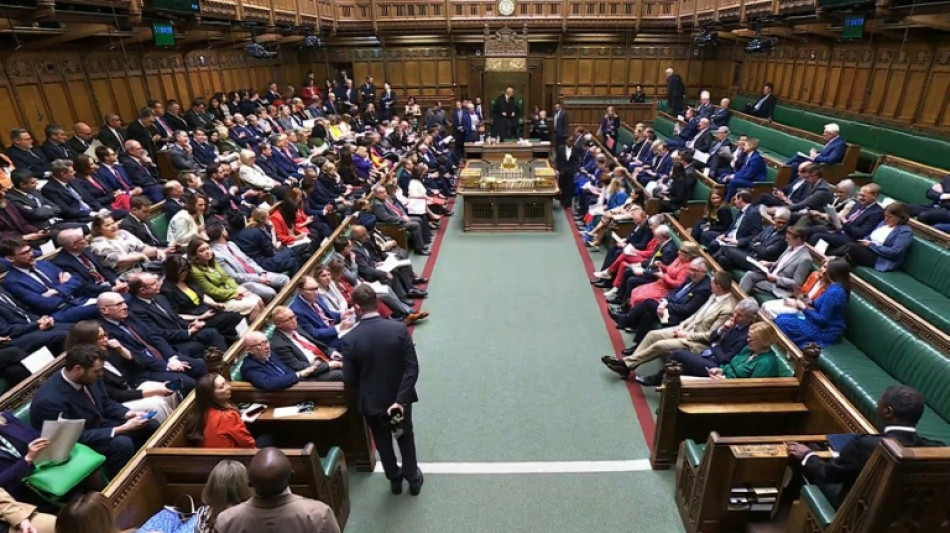
UK lawmakers hold emergency debate to save British Steel / Photo: - - PRU/AFP

 Injured Australian swim star O'Callaghan pulls out of PanPacs

 California lifeguards wiped out from extreme weather
 FIFA scraps private investment plan after backlash: Infantino
 South Africa's WAFCON hopes hang in the balance after dramatic draw

 Hunter Bell cruises to Commonwealth gold, Pathirage stuns javelin stars

 Amazon surges as US stocks shrug off bond yield worries

 Google rolls back new satellite image AI tool after backlash

 Ryu leads in bid for third straight major at women's British Open
 Fire-hit France region 'coming up for air' as main blaze calms
 Wembanyama to get signature shoe in Nike contract extension: reports

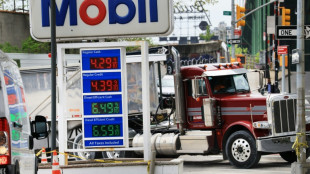
 Oil giants report blowout profits on war, warn high gas prices could persist
 Google launches new satellite image AI tool, alarming researchers

 Eddie Howe resigns as Newcastle boss to 'recharge'
 High winds hamper firefighting efforts in western Turkey

 Howe resigns as Newcastle boss

 Full-scale tour will benefit All Blacks, says coach Rennie

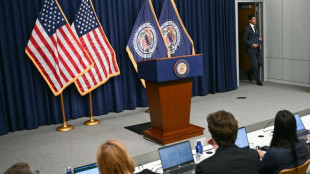 US Fed dissenters call for rate hikes over sustained inflation

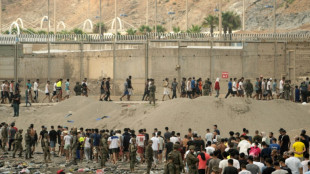
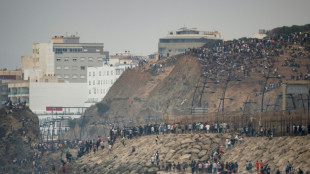 Trump and far-right seize on Spanish migration crisis

 Hamas agrees to disarm under Trump plan
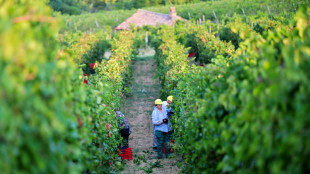 French, Italian winegrowers face earliest ever harvest

 Alarm over climate-linked low level of German waterways

 UK court rejects challenge against new Chinese embassy in London
 New York sues online prediction markets giant Kalshi

 Commerzbank agrees to talks with UniCredit after two-year standoff
 A rumour, a rush: chaos at Morocco border with Spain's Ceuta
UK lawmakers held a rare Saturday parliamentary debate as the government seeks to pass emergency legislation to stop the last British factory that can make steel from scratch shutting down.
Prime Minister Keir Starmer has said his administration plans to "take control" of the struggling Chinese-owned British Steel plant to prevent its blast furnaces going out and save what is left of the country's steel industry.
In a vote later Saturday, MPs were expected to pass the bill to take over the running of the Scunthorpe plant, which employs around 2,700 people and produces steel crucial for UK industries including construction and rail transport.
The government views the possible closure of the plant as a risk to Britain's long-term economic security, given the decline of the UK's once robust steel industry.
"Steel is fundamental to Britain's industrial strength, to our security and to our identity as a primary global power," business and trade secretary Jonathan Reynolds told parliament.
"Today's legislation will help ensure that we can retain that steel making capability here in the UK, both now and for years to come," he said.
Amid speculation the move could pave the way to nationalisation, Reynolds said state ownership "remains on the table" and may well be the "likely option".
But he said the scope of Saturday's bill was more limited -- it "does not transfer ownership to the government," he explained, adding that this would have to be dealt with at a later stage.
Ministers have said no private company has been willing to invest in the plant.
- 'Act decisively' -
British Steel's Chinese owners Jingye have said it is no longer financially viable to run the furnaces at the unit in northern England.
Jingye bought British Steel in 2020 and says it has invested more than £1.2 billion ($1.5 billion) to maintain operations but is losing around £700,000 a day.
Reynolds said "the effective market value of this company is zero," and that Jingye had wanted to maintain the operation in the UK but supply it with slab steel from China to keep it going.
Labour MP and leader of the House of Commons Lucy Powell said members of parliament were meeting "in these special circumstances because the government needs to act decisively."
But the government came under fire from the opposition Conservative party for its handling of the negotiations, and faced calls from some Labour MPs to fully nationalise the plant.
Reynolds said the government had sought to buy raw materials to keep the furnaces running with "no losses whatsoever for Jingye," but met with resistance.
"A counter offer was instead made by Jingye to transfer hundreds of millions of pounds to them, without any conditions to stop that money and potentially other assets being immediately transferred to China," he said. "They also refused a condition to keep the blast furnaces maintained and in good working order."
Saturday's emergency legislation is set to provide for criminal sanctions if executives fail to comply with instructions to keep the blast furnaces open.
- Trump tariffs -
MPs left for their Easter holidays on Tuesday and were not due to return to parliament until April 22.
In an indication of how seriously the government is taking the plight of British Steel, the last Saturday sitting of parliament was in October 2019 to vote on former prime minister Boris Johnson's Brexit deal.
Before that MPs last sat on a Saturday recall at the start of the Falklands War between Britain and Argentina in 1982.
British Steel has said US President Donald Trump's tariffs on the sector were partly to blame for the Scunthorpe plant's difficulties.
However, fierce competition from cheaper Asian steel has heaped pressure on Europe's beleaguered steel industry in recent years.
British Steel has its roots as far back as the Industrial Revolution but took shape in 1967 when the Labour government nationalised the industry, which at the time employed nearly 270,000 people.
After privatisation and a massive decline in Britain's steel sector, India's Tata Steel bought the group in 2007 before selling it on in 2016 to investment fund Greybull Capital for a token £1. It was renamed British Steel.
After more instability, British Steel was taken over by the government's insolvency service in 2019 and then acquired by Jingye the following year.
F.Ramirez--AT