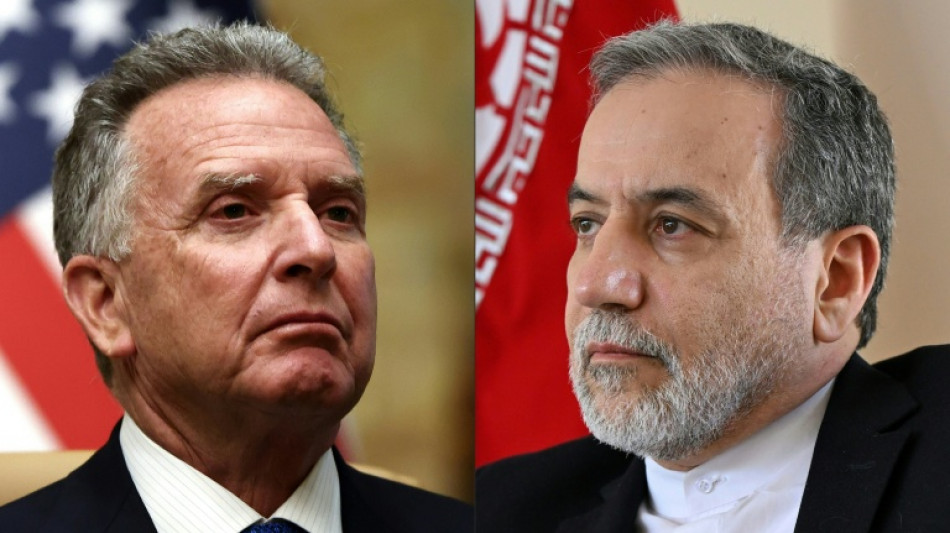
First US-Iran nuclear talks in years start in Oman / Photo: EVELYN HOCKSTEIN, Amer HILABI - POOL/AFP/File

 Injured Australian swim star O'Callaghan pulls out of PanPacs
 California lifeguards wiped out from extreme weather
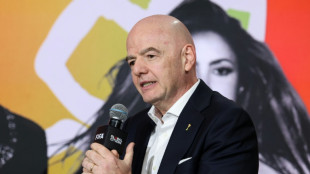 FIFA scraps private investment plan after backlash: Infantino
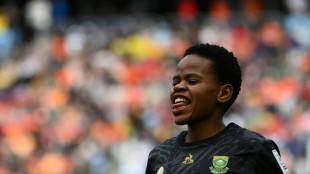 South Africa's WAFCON hopes hang in the balance after dramatic draw
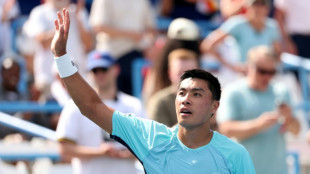
 Hunter Bell cruises to Commonwealth gold, Pathirage stuns javelin stars
 Amazon surges as US stocks shrug off bond yield worries
 Google rolls back new satellite image AI tool after backlash
 Ryu leads in bid for third straight major at women's British Open
 Fire-hit France region 'coming up for air' as main blaze calms
 Wembanyama to get signature shoe in Nike contract extension: reports
 Oil giants report blowout profits on war, warn high gas prices could persist
 Google launches new satellite image AI tool, alarming researchers
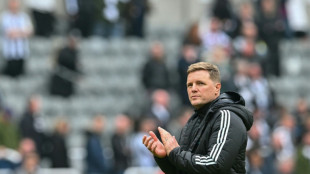 Eddie Howe resigns as Newcastle boss to 'recharge'
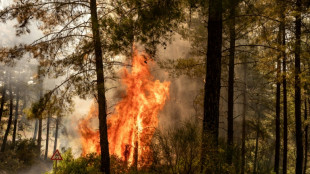 High winds hamper firefighting efforts in western Turkey

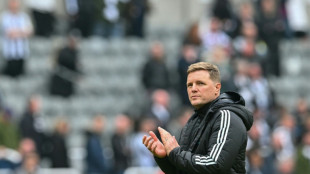 Howe resigns as Newcastle boss
 Full-scale tour will benefit All Blacks, says coach Rennie
 US Fed dissenters call for rate hikes over sustained inflation
 Trump and far-right seize on Spanish migration crisis
 Hamas agrees to disarm under Trump plan
 French, Italian winegrowers face earliest ever harvest

 Alarm over climate-linked low level of German waterways
 UK court rejects challenge against new Chinese embassy in London
 New York sues online prediction markets giant Kalshi
 Commerzbank agrees to talks with UniCredit after two-year standoff
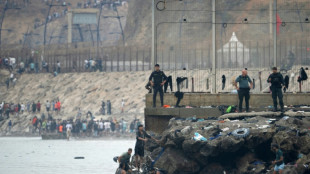
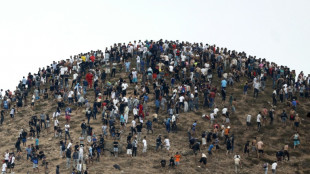 A rumour, a rush: chaos at Morocco border with Spain's Ceuta
The United States and Iran opened high-stakes talks on Tehran's nuclear programme on Saturday with President Donald Trump threatening military action if they fail to produce a deal.
The two sides entered "indirect" talks -- via an intermediary -- in the Omani capital Muscat, Iran's foreign ministry said. The Americans had called for the meetings to be face-to-face.
Disagreement over the format indicated the task facing the long-term adversaries, who are seeking a new nuclear deal after Trump pulled out of an earlier agreement during his first term in 2018.
Foreign Minister Abbas Araghchi is leading the Iranian delegation while Trump's special envoy Steve Witkoff heads the US team.
"Our intention is to reach a fair and honourable agreement from an equal position," Araghchi said in a video posted by Iranian state TV.
Iran, weakened by Israel's pummelling of its allies Hezbollah in Lebanon and Hamas in Gaza, is seeking relief from wide-ranging sanctions hobbling its economy.
Tehran has agreed to the meetings despite baulking at Trump's "maximum pressure" campaign of ramping up sanctions and repeated military threats.
Meanwhile the US, hand-in-glove with Iran's arch-enemy Israel, wants to stop Tehran from ever getting close to developing a nuclear bomb.
- Witkoff open to 'compromise' -
Witkoff told The Wall Street Journal earlier that "our position today" starts with demanding that Iran completely dismantle its nuclear programme -- a view held by hardliners around Trump that few expect Iran would ever accept.
"That doesn't mean, by the way, that at the margin we're not going to find other ways to find compromise between the two countries," Witkoff told the newspaper.
"Where our red line will be, there can't be weaponisation of your nuclear capability," he added.
The talks were revealed in a surprise announcement by Trump as he met the press alongside Israeli Prime Minister Benjamin Netanyahu at the White House on Monday.
Hours before they begin, Trump told reporters aboard Air Force One: "I want Iran to be a wonderful, great, happy country. But they can't have a nuclear weapon."
Iranian supreme leader Ayatollah Ali Khamenei's adviser Ali Shamkhani said Tehran was "seeking a real and fair agreement", adding that "important and implementable proposals are ready".
Saturday's contact between the two sides, which have not had diplomatic relations for decades, follows repeated threats of military action by both the United States and Israel.
"If it requires military, we're going to have military," Trump said on Wednesday when asked what would happen if the talks fail to produce a deal.
Responding to Trump's threat, Tehran said it could expel United Nations nuclear inspectors, a move that Washington warned would be an "escalation".
- 'Survival of the regime' -
The 2015 deal that Trump exited aimed to make it practically impossible for Iran to build an atomic bomb, while at the same time allowing it to pursue a civil nuclear programme.
Britain, China, France, Russia and Germany were the other parties to the agreement, of which Araghchi was a key architect.
Iran, which insists its nuclear programme is only for civilian purposes, stepped up its activities after Trump abandoned the 2015 agreement.
Karim Bitar, a Middle East Studies lecturer at Sciences Po university in Paris, said negotiations "will not focus exclusively on... the nuclear programme".
"The deal would have to include Iran stopping its support to its regional allies," a long-standing demand by US allies in the Gulf, he said.
For Iran, it could be a matter of the government's very survival.
"The one and only priority is the survival of the regime, and ideally, to get some oxygen, some sanctions relief, to get their economy going again, because the regime has become quite unpopular," Bitar said.
A.Clark--AT