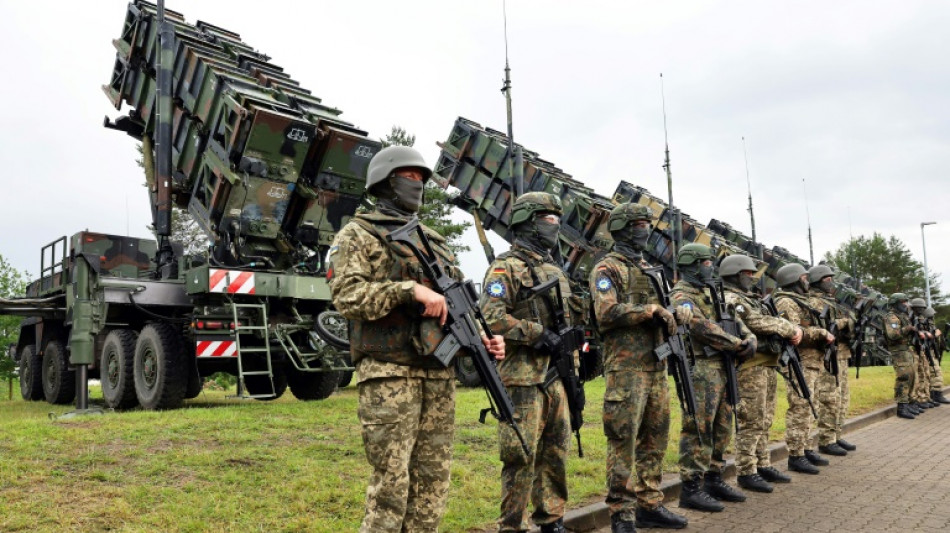
Germany's huge spending package passes final hurdle in upper house / Photo: Jens Büttner - POOL/AFP/File

 Spaniard Santi Denia takes over as Czech Republic coach

 EU races to contain new migrant crisis as thousands cross into Spain's N. Africa enclave
 Profits surge at US oil giant amid Iran war supply shock
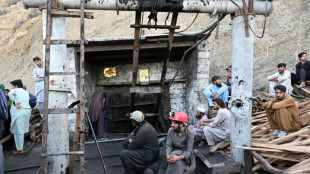
 Bodies of four climbers found near Pakistan avalanche site: police
 UK court dismisses challenge against new Chinese embassy in London
 Stock markets rally on tech rebound

 Tyla drops Lagos show as South Africa, Nigeria row over immigration

 BP seeks to sell North Sea business as UK faces drilling dilemma
 Pro-Kremlin commentator denounces 'censorship' in France
 AC Milan 'in tears' at death of Italian football legend Baresi

 France, Spain assess scorched terrain as new wildfires threaten other regions

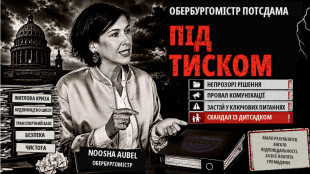 Нооша Аубель під тиском: мерія Потсдама між самостійними кроками та скандалом із дитячими садками
 Missing climber Nirmal Purja redefined mountaineering

 British oil giant BP aims to sell North Sea business

 Sony hikes profit outlook on strong gaming earnings
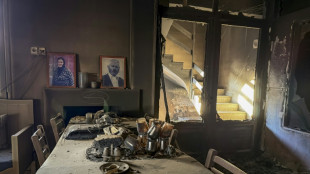
 Baresi -- the 'Johan Cruyff of defenders'
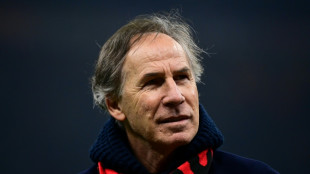 Legendary Italian football defender Franco Baresi has died: AC Milan

 Drugged Malaysian pilot risks death penalty for smuggling in Indonesia
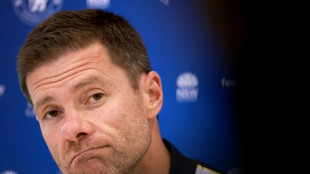 World Cup must be kept out of private hands: Chelsea manager Alonso
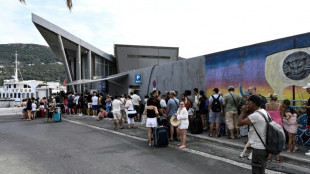 Greek visa scheme gives Turks easier entry to islands in EU
 Ferrand-Prevot bids to defend Tour de France Femmes title

 China factory activity slides as leaders seek spending boost
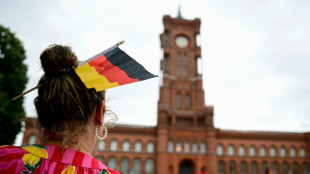 Far right and far left battle for power in polarised Berlin

 Hamas agrees to deal for disarmament, Israel's withdrawal from Gaza

 Cables and cooling bring AI windfall to Indian suppliers

Germany's upper house of parliament on Friday gave the final seal of approval to a massive spending package to build up the military and overhaul infrastructure.
Worth hundreds of billions of euros, the so-called spending "bazooka" has been pushed by the likely next chancellor Friedrich Merz, whose centre-right CDU/CSU won elections last month and is now in coalition talks with the centre-left Social Democrats (SPD).
The plan exempts defence spending above one percent of GDP from Germany's constitutionally enshrined debt brake and sets up a 500-billion-euro ($545-billion) fund for infrastructure over 12 years.
This paves the way for over one trillion euros (dollars) worth of outlays in Europe's top economy, which has shrunk for the past two years.
The plan marks a dramatic break from Germany's economic orthodoxy, particularly for the CDU/CSU alliance which has been wedded to the debt brake since it was brought in in 2009.
The party has shifted position in the wake of US President Donald Trump's overtures to Moscow, saying there is now an urgent need to invest in defence to become more independent from Washington.
Bavaria's state premier Markus Soeder, who heads the CSU, told the chamber that "we must do everything we can to ensure that Germany once again becomes one of the strongest armies in Europe and can protect itself".
And he labelled the massive infrastructure spending a new "German Marshall Plan", referring to the American post-World War II effort to rebuild western Europe.
Soeder said Germany would undertake long-neglected upgrades of roads, bridges and rail lines, arguing that letting them fall into disrepair was a greater disservice to the next generation than building up state debt.
- 'Brutal paradigm shift' -
Berlin's move to bolster its fiscal firepower has been keenly watched by its neighbours as Europe scrambles to adapt to Trump's pivot away from traditional alliances.
The package needed a two-thirds majority and was approved by 53 of the Bundesrat's 69 members, after it cleared the lower house on Tuesday.
The upper house is made up of representatives of Germany's 16 federal states, and several state leaders spoke in favour of the package before the vote.
Boris Rhein, CDU leader of the central state of Hessen -- home to many US army bases -- said that geopolitical turmoil spelt "a brutal paradigm shift" for Germany which had learnt that "we cannot rely on military help from the United States".
He pointed to Trump berating his Ukrainian counterpart Volodymyr Zelensky in front of the world's media in the White House last month, calling the exchange "an obscene humiliation of a president whose people are fighting for their freedom".
"Europe must react to this, Germany must react to this, quickly and decisively," he said.
Representatives from the states of Thuringia and Brandenburg, where the far-left BSW party is part of governing coalitions, refused to approve the spending plans on Friday, as did those from Saxony-Anhalt and Rhineland-Palatinate, where the debt-averse Free Democrats (FDP) are in state governments.
A.O.Scott--AT