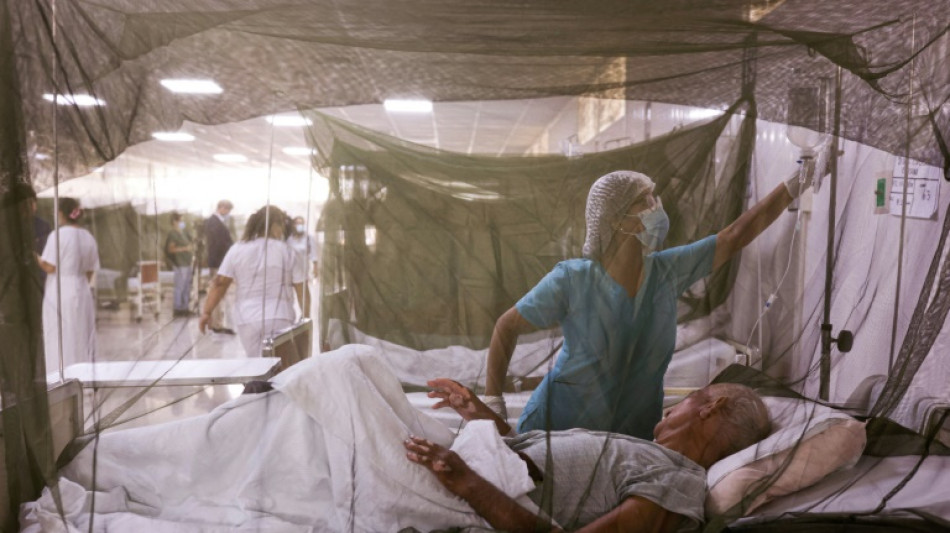
Pandemic agreement talks near end with deal elusive / Photo: Juan Carlos CISNEROS - AFP

 Modi vows punishment for exam fraud fuelling India protests
 Six candidates in race to lead UN set for televised debate
 Comic-Con kicks off with Marvel's return
 Dutch riders dreaming of crazy party corner of Alpe d'Huez

 Houthis target Red Sea shipping as US hits Iran
 Record-equalling Red Sox streak halted at 15 wins
 Messi-less Miami beat Fire 3-2 to spoil Lewandowski's MLS debut
 Mercedes expect Hungary challenge from Hamilton and Ferrari
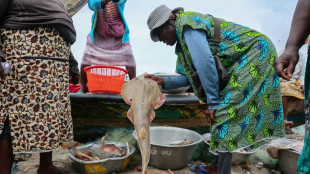 In Ghana, one man's race to save critically endangered fish
 Wilson captain, Slipper absent in Kiss's first Wallabies squad
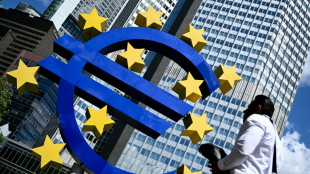 New Mideast fighting puts eurozone rate-setters on alert
 Venezuelans search for animal companions lost in the quakes
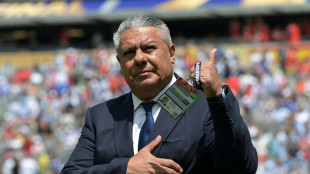 Argentine Football Association says US did not detain its president
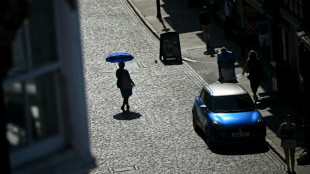 June heatwave cost UK economy more than £1bn: study

 Caledonia Mining Corporation Plc: Blanket Exploration Results
 Empire Metals Limited Announces Management Appointments
 Houthis claim Red Sea tanker strikes as US hits Iran again

 Wildfires ravage parts of southern France, Italy and Spain
 Alphabet beats expectations in second quarter, cloud revenue nearly doubles
 Trump threatens Iran infrastructure, Tehran vows 'eye for eye'
 US teen withdraws lawsuit against Meta over social media addiction
 Lebanon PM says Beirut working for 'complete Israeli withdrawal'

 EU conditionally clears Paramount bid for Warner Bros.
 Philipsen snaps 'horrible' drought with Tour de France stage 17 victory
 US trial of Venezuela's Maduro set for June 2027

Last-ditch talks aimed at striking a landmark global agreement on handling future pandemics went into the final hours on Friday with the chances of finalising a deal looking increasingly unlikely.
Shaken by the failures exposed by Covid-19 -- which killed millions, shredded economies and crippled health systems -- countries have spent two years drafting an international accord on pandemic prevention, preparedness and response.
Despite a common desire for binding commitments aimed at preventing another such disaster, big differences quickly emerged between country blocs on how to go about it.
The World Health Organization's 194 member states were meant to finish the process in March so the agreement could be formally adopted at their annual assembly, which starts on May 27.
This additional fortnight of talks was crammed in amid hopes of achieving a breakthrough but the negotiations will not stretch even further into overtime if nothing is finalised by the end of Friday.
- Deadline set to pass -
WHO spokeswoman Margaret Harris told a media briefing Friday that the overtime round of talks "will end later today".
"During the past two weeks, negotiators have held extensive discussions on multiple aspects of the proposed agreement, meeting often into the early hours of the morning," she said.
"The member states are still continuing their discussions today to make as much progress as possible. Next steps on the way forward will also be discussed today and they will be announced later today."
Harris said the annual assembly of WHO member states would consider the outcome of the talks.
The draft agreement on the table already envisaged kicking some of the trickier aspects further down the road, so in the absence of an agreement, the assembly could decide to try and keep the process alive.
Fuelled by trolleys full of coffee, bananas, biscuits and sandwiches, negotiators have been pulling 12-hour days since April 29 to try and find a way through.
The talks are being held behind closed doors at the WHO headquarters in Geneva.
Non-governmental organisations deemed relevant stakeholders can follow the process outside the room and are briefed daily by the talks' co-chairs.
Such NGOs said rushing to an agreement on Friday would not change the status quo, and might even entrench some of the weaknesses exposed by the Covid-19 pandemic.
- Pressure points -
The main disputes revolve around access and equity: access to pathogens detected within countries and to pandemic-fighting products such as vaccines produced from that knowledge; and equitable distribution of not only counter-pandemic tests, treatments and jabs, but also the means to produce them.
K. M. Gopakumar, senior researcher with the Third World Network, said the NGO was telling countries: "Don't be under pressure to surrender on equity because you need to deliver an instrument."
He warned against "a situation where they will be asked to compromise just to create a photo-op" to show that the treaty has been adopted.
"That would be a betrayal of people's aspirations and people's right to health."
Each of the draft agreement's 37 articles has been individually thrashed out, with country negotiators breaking off into working groups to try to figure out a consensus.
While general agreement has been found on some articles -- without formally signing them off -- the core aspects have proved the hardest to negotiate.
The draft text proposed giving the WHO real-time access to 20 percent of the production of pandemic-related health products, such as vaccines.
While some countries wanted this to be at least 20 percent, some Western powers were pushing for it to be fixed at up to 20 percent.
A.Williams--AT