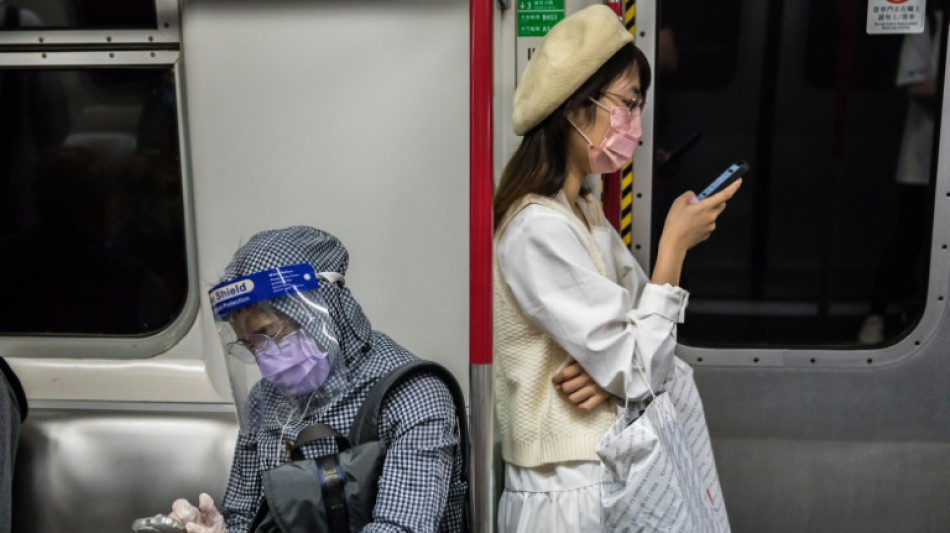
Nations fail to reach pandemic accord: talks to resume April / Photo: DALE DE LA REY - AFP

 India's domestic workers go online as instant services boom

 From bath to fish market: DJs play to revive Japan neighbourhoods

 Nearly 3,000-year-old human remains unearthed in El Salvador

 New Zealand may miss climate targets due to government policies: report

 Hormuz, Malacca and other key straits spawn tensions throughout history

 At least 53 dead in Guyana capsized ferry disaster

 Colombia to host office of Trump's anti-cartel alliance: president-elect
 Trump says US 'not finished' as Iran widens attacks

 Panthers lose Moton to blood clot as NFL camps open

 LPGA launches Nanea Cup event next March in Hawaii
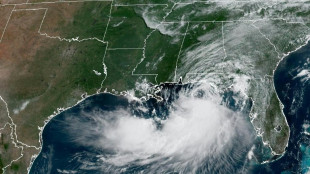 Tropical Storm Bertha spreads across northwestern Florida

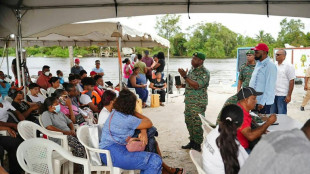 At least 41 dead in Guyana capsized ferry disaster

 Pogacar fired up by losing twice to Evenepoel at Tour de France
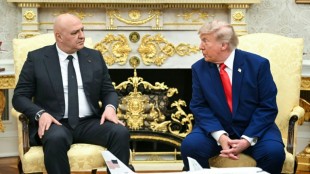 Trump vows to help Lebanon pursue peace with Israel

 Liverpool in talks with Bhatia consortium over minority investment

 French senators back social media ban for under-15s

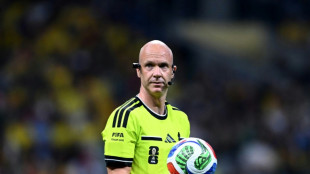 Premier League referee Taylor retires, bemoans 'constant scrutiny'
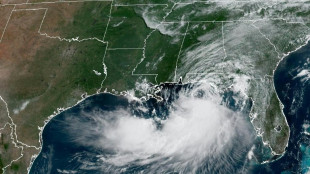
 China ally Solomon Islands invites US Coast Guard patrols

 US readies new tariffs as Trump's 10% global levy to expire

 Airbus pushes ahead with future single-aisle jet, hydrogen plane

 Stocks rise despite climbing oil prices
 UNAIDS chief calls for 'radical change' in Africa amid aid cuts
 EU cancels subsidy to Venice Biennale over Russia presence
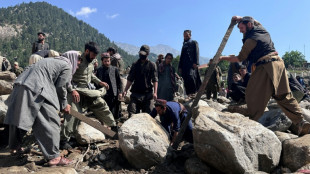 Heavy rain dampens search for dozens missing in Afghanistan flood

 Argentina represented themselves in 'best possible way' at World Cup: Fernandez

Two years of talks aimed at striking a landmark global agreement on handling future pandemics failed to seal a deal in time on Thursday, and will restart next month for one final push.
Scarred by Covid-19, which shredded economies, overturned societies, crippled health systems and killed millions, countries are trying to craft an international accord on pandemic prevention, preparedness and response.
But while they largely agree on the principles of what should be done when the next pandemic strikes, nations are still at odds over how far they are prepared to go to turn those notions into binding commitments.
The ninth and supposedly final two-week round of talks therefore ended Thursday without finding a breakthrough.
"You are not far away from concluding a deal," World Health Organization chief Tedros Adhanom Ghebreyesus told countries as the talks petered out at the WHO headquarters in Geneva.
"I always keep hope alive and I am hopeful that you will.
"The treaty is a life-saving instrument, not merely a piece of paper," he added.
"It holds the power to transform our collective response to future pandemics, to protect lives and to safeguard the wellbeing of communities."
He urged nations to work towards getting a final agreement by the end of May.
- Call for courage -
Mindful that a pandemic could hit at any time, the plan was to finalise an agreement at these talks, so it could be approved by the WHO's 194 member states at their annual assembly, which starts on May 27.
Instead, fresh talks will run from April 29 to May 10.
The Intergovernmental Negotiating Body bureau conducting the talks will draw up a new draft text no later than April 18 and work to finalise talks by May 5.
The current draft has ballooned from 30 pages to nearly 100, with suggested amendments. Some participants want the INB to cut it down to 20 pages.
"It's just too long," said one Western diplomat.
"It's too detailed and too broad. Agreeing on 30 pages with such a level of uncertainty in such a short time is impossible."
Campaign groups have warned that the pressure to reach an agreement could lead to a watered-down text which does little to make the world safer than it was before the Covid-19 pandemic.
K. M. Gopakumar, senior researcher with the Third World Network NGO, told AFP the new text would likely be a lighter document, which could be added to at a later stage.
"They have climbed down from a full-fledged treaty to a much more concise document," he said at the WHO HQ.
"It's a face-saving exercise as of now, because they are so desperate to finish everything by May."
- Points of dispute -
The main issues of contention include shared access to emerging pathogens, better prevention and monitoring of disease outbreaks, reliable financing and transferring pandemic-fighting technology to poorer countries.
Ultimately, the talks have come to the crunch over the balance between richer and poorer nations.
Wealthier states want immediate information-sharing on new and emerging pathogens with pandemic potential, as well as strict -- and expensive -- preparedness obligations for all countries.
In return, developing countries want water-tight language on technology transfer and equitable access to vaccines, tests and treatments.
A.Taylor--AT