Venezuela opposition faces split, a boon for Maduro / Photo: Ronald PEÑA - AFP

 India's domestic workers go online as instant services boom
 From bath to fish market: DJs play to revive Japan neighbourhoods
 Nearly 3,000-year-old human remains unearthed in El Salvador

 New Zealand may miss climate targets due to government policies: report
 Hormuz, Malacca and other key straits spawn tensions throughout history

 At least 53 dead in Guyana capsized ferry disaster

 Colombia to host office of Trump's anti-cartel alliance: president-elect
 Trump says US 'not finished' as Iran widens attacks
 Panthers lose Moton to blood clot as NFL camps open
 LPGA launches Nanea Cup event next March in Hawaii
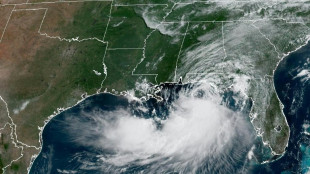 Tropical Storm Bertha spreads across northwestern Florida

 At least 41 dead in Guyana capsized ferry disaster
 Pogacar fired up by losing twice to Evenepoel at Tour de France
 Trump vows to help Lebanon pursue peace with Israel
 Liverpool in talks with Bhatia consortium over minority investment

 French senators back social media ban for under-15s

 Premier League referee Taylor retires, bemoans 'constant scrutiny'
 China ally Solomon Islands invites US Coast Guard patrols

 US readies new tariffs as Trump's 10% global levy to expire

 Airbus pushes ahead with future single-aisle jet, hydrogen plane

 Stocks rise despite climbing oil prices
 UNAIDS chief calls for 'radical change' in Africa amid aid cuts
 EU cancels subsidy to Venice Biennale over Russia presence
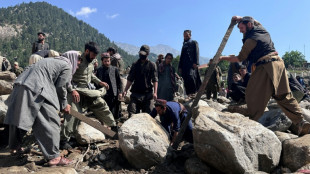 Heavy rain dampens search for dozens missing in Afghanistan flood

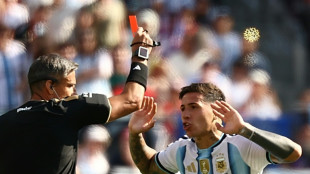 Argentina represented themselves in 'best possible way' at World Cup: Fernandez
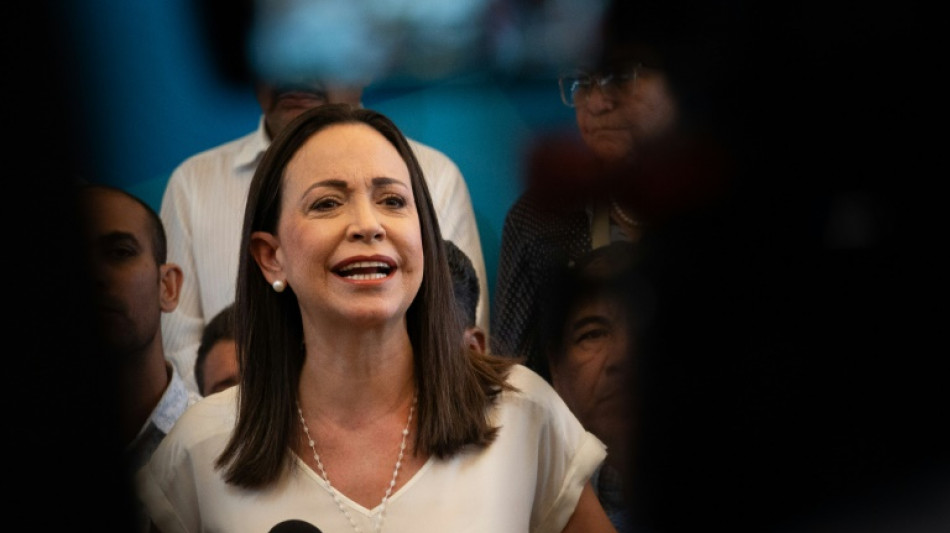
Forced to discard its most popular election candidate, and then a proxy, Venezuela's opposition unity is now on the verge of crumbling ahead of July presidential elections.
Analysts say it is President Nicolas Maduro who will reap the spoils.
The 61-year-old is seeking a third term in power which would see him rule for a total of 18 years.
This is what you need to know about Venezuela's fast-moving political scene four months ahead of the election:
What happened to the opposition?
After a triumphant primary election win in October last year, a single figure emerged to unite the opposition: 56-year-old liberal politician Maria Corina Machado.
Dubbed "the iron lady" by her supporters, she has long been a fervent opponent of "Chavismo" -- the brand of populist leftist ideology left behind by late president Hugo Chavez.
However, Machado was banned from public office for 15 years by courts loyal to Maduro accused of corruption -- a charge she dismisses as fabricated -- and of supporting sanctions against the Maduro government.
She kept campaigning, but as the date drew closer to present a candidate to the national election council, Machado had to make a choice to avoid leaving the opposition without representation.
At the eleventh hour she picked 80-year-old university professor Corina Yoris as her stand-in, planning to keep fighting to take her place at the last minute.
However, by the time the deadline struck on Monday, the Democratic Unitary Platform (PUD) was unable to access the website to register Yoris.
So who is running against Maduro?
Neither of them.
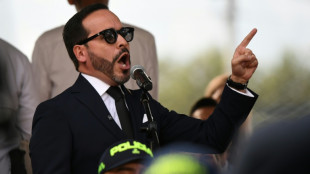
Manuel Rosales, the governor of the oil-rich province of Zulia and a member of the PUD coalition, managed to sign up last-minute in what he said was a last-ditch attempt to avoid the opposition from being left out of the race.
He vowed to do "everything for unity" but came under fire for being a candidate picked for his palatability to Maduro, which he fiercely denies.
"I was afraid that we would be left without a presidential candidate and that we would leave the field open for Maduro to stay in power for another six years," Rosales told a rally on Wednesday.
Yoris told Colombia's Blu radio station that Rosales was a "Judas" and slammed his "betrayal". Machado has remained mum on his candidacy.
After the deadline had ended, the PUD did manage to register the name of a little-known former ambassador, Edmundo Gonzalez Urruti, as a "provisional" candidate who Machado now hopes she will be able to replace.
If she cannot, the opposition will have to rally behind either Gonzalez or Rosales, with "maintaining unity as the best possible strategy," said political analyst Yoel Lugo.
"The smart thing now is not an opposition civil war, which only favors the candidacy of Nicolas Maduro," said former elections chief Vicente Diaz.
Another 10 candidates are listed, but are considered allies of Maduro.
Will the vote be free and fair?
Maduro's government and the opposition signed a deal mediated by Norway to hold a free and fair vote with international observers present which led to the United States easing sanctions against Venezuela.
Some sanctions were re-imposed after the ruling banning Machado and the international community has expressed increasing concern over interference in the democratic process.
The last thing the opposition wants is a repeat of the 2018 election, which they boycotted.
Many countries refused to accept the results of Maduro's victory, alleging fraud and a lack of transparency, and instead recognized parliamentary speaker Juan Guaido as the country's legitimate leader.
Six years later, Maduro is still firmly in charge of the oil-rich nation after Guaido's government collapsed and the war in Ukraine choked energy supplies and shifted global priorities.
The political crisis only added to the severe economic crisis under Maduro as the country's oil boom went bust, with food shortages and runaway inflation hitting the population hard.
The dire situation pushed more than seven million Venezuelans to flee their country.
"The restrictions of this electoral process leave barely a loophole through which to pass," said political scientist Piero Trepiccione, adding this heaped even more pressure on the opposition "to talk and reach an agreement."
In the northern town of Carabobo 58-year-old bricklayer Karin Rodriguez summed up the feeling of most of Machado's followers.
"We will vote for whoever she says."
J.Gomez--AT