German farmers in Ukraine press ahead in defiance of war

 Qatar Chamber and Maltese envoy consider business forum
 Spanish PM denies being blackmailed by Morocco
 Doha Islamic finance forum names AlRayan firms as co-lead partners

 Leeds thrash Newcastle to go third in the Premier League

 Zelensky says Ukraine ready for 'de-escalatory steps'
 In-form Malen fires Roma to Serie A summit, Inter on their heels
 Lebanese agency reports Israeli shelling and gunfire in south
 Expert proposes phased digital reform for Arab business schools
 Trump rejects 'hoax' warnings that AI could destroy humanity
 Houthis say Saudi Arabia hits Yemen with 54 strikes after attack on bases

 Why the far right is losing ground in Sweden
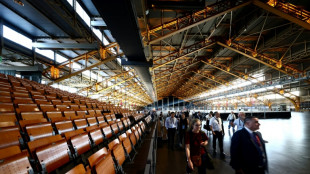
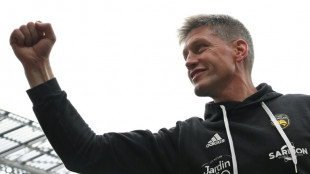 Ex-Ireland fly-half O'Gara extends deal as La Rochelle coach

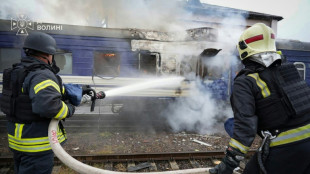
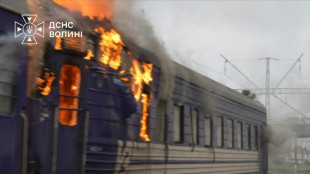 Russian attacks on Ukraine railways escalating every week: rail CEO to AFP
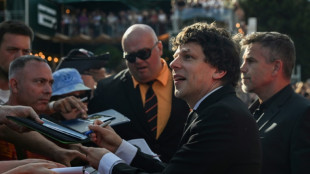
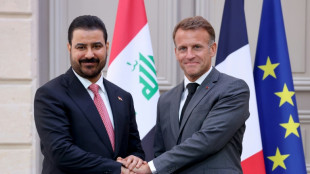 France, Iraq deepen energy, defence ties during Zaidi visit
 Trump says Ukraine, Russia agree not to hit energy targets

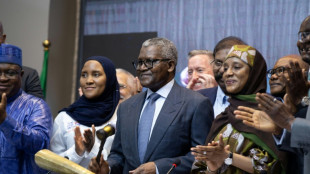 Nigeria's Dangote refinery launches continent's biggest IPO
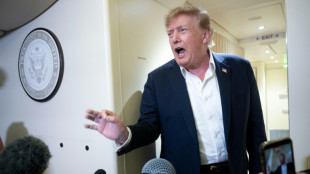 Trump blasts 'sick conspiracy' against AI as warnings mount

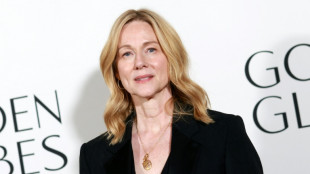 For Laura Linney, role in Parkinson's-themed movie marked a turning point
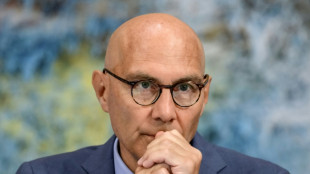
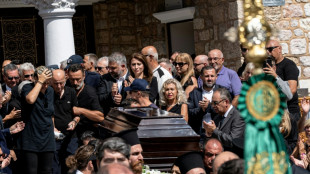 Doctors face life sentence over Greek pop star's death
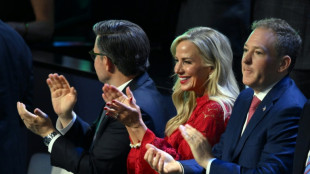 Trump moves to axe power plant climate rules

 Slow the AI race? Investors weigh the potential cost

 Philippine Muslim enclave votes for parliament after deadly shooting
 Germany seeks guarantees from Italy's UniCredit over Commerzbank takeover
 Liverpool will have to accept 'ups and downs', says Iraola
 Inaugural Ultimate a hit with the athletes, says Coe
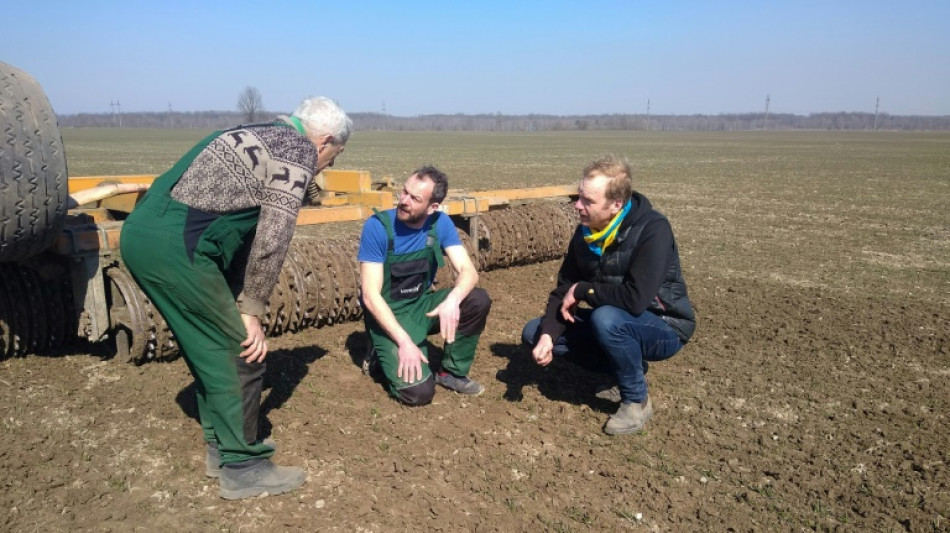
Every year in early spring, German farmers Torben Reelfs and Tim Nandelstaedt turn the soil and plant the first sugar beets of the season on their plot of land in western Ukraine.
But this year, the ritual has taken on a new meaning.
"It's very symbolic. When the machine turns over the land, it's a different feeling than in previous years," said Reelfs, 41, speaking to AFP by phone from the farm about 60 kilometres (37 miles) from Lviv.
When Russian troops invaded Ukraine on February 24, Reelfs and Nandelstaedt immediately fled to Germany to "get away from the missiles, to be on the territory of the EU, of NATO", according to Nandelstaedt, 43.
"At first I thought that Russia would get to the Polish border very quickly," he said.
But three weeks later, both of them were back in Derzhiv, their adopted home for the last 10 years.
"What we are seeing here, the solidarity on a military and a humanitarian level, is inspiring and gives you hope," said Reelfs.
- 'Poker game' -
With the west of Ukraine so far largely spared from the deadly fighting raging in the south and east, the two men decided to go ahead and start sowing their crops.
The pair had already managed to secure the fuel, fertiliser and seeds they needed.
They began by sowing the sugar beets, which will be followed by corn in around two weeks' time and soybeans in around two months.
It's too early to tell whether the crops will ever be harvested, but for now, Reelfs is sure it was "the right decision".
He also feels "a certain responsibility" to "reduce the risk of catastrophic famines" around the world as a result of the war.
Before the Russian invasion, Ukraine was the world's fourth largest exporter of corn and was on its way to becoming the third largest exporter of wheat behind Russia and the United States.
Corn, wheat and sunflower oil prices have already soared in recent weeks and the situation looks set to worsen if the "breadbasket of Europe" is unable to keep up with the usual supplies.
The two German farmers know that going ahead with the harvest is a huge risk -- a "poker game", according to Reelfs.
"What will happen in six months, when we harvest, I honestly have no idea," said Nandelstaedt. "Some farms have already been hit by missiles or attacked by ground troops. Fields are burning. If that happens here, it will be over."
- 'Adventure' -
Reelfs and Nandelstaedt have spent the last decade building up their farm in Ukraine, which covers 1,900 hectares of land and employs 25 people.
The business partners, who have been friends for over a decade, were among a wave of farmers who took up leases on land in Ukraine after the fall of the Soviet Union, attracted by the cheap prices and fertile soil.
They liked the idea of an "adventure" and the chance to build everything from scratch, according to Reelfs.
Between 2008 and 2009, "we visited almost 50 villages and there was still available land everywhere", he said.
"When we started out, you could rent a hectare of land for 17 euros ($18.70) and could even pay in kind, with wheat or sugar. Today, we pay well over 100 euros here and it is more than 200 euros in many regions."
It's a sign of how much Ukraine has changed over the years, he said: "Corruption has greatly decreased... and the standard of living has got better and better."
Reelfs believes it has been a surprise to the Russian forces to see that "people are not at all unhappy with their government, they want to support the army and defend their country".
During their stay in Germany, Reelfs and Nandelstaedt collected 130,000 euros in donations for Ukraine and helped to arrange accommodation for around about 170 people in villages around Berlin.
"Even though they all feel welcome there, they want to return to Ukraine as soon as possible," said Reelfs.
M.King--AT