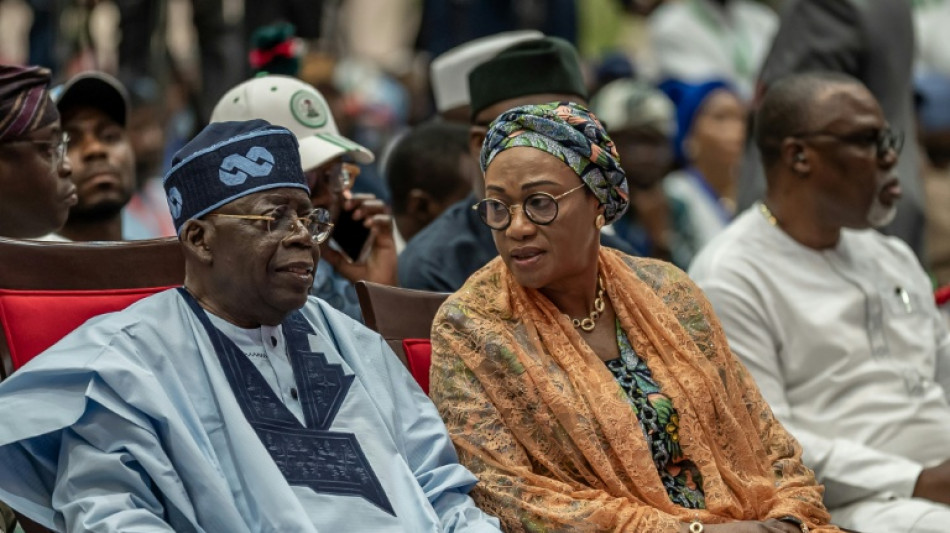
Nigeria clamps down on misinformation after school kidnapping / Photo: Light Oriye Tamunotonye - AFP

 US regulator finds Boeing 737 MAX software bug 'not a safety concern'

 Ohtani 'managing' injuries as Dodgers launch MLB post-season

 Botched US execution leaves murderer unconscious on ventilator: lawyers
 Cornell rape case exposes sexual violence at US colleges
 France held by Italy in Zidane's homecoming after Olise stunner

 Ethiopian pro-government militia claims Tigray airport as regional tensions spike
 Ohtani shaking off injuries as Dodgers launch MLB post-season

 Sea levels to rise in California as coastal wave surges up west coast
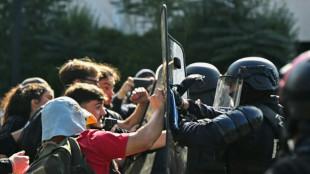 New rallies urged in France as protests disrupt over 730 schools

 Djokovic survives China Open scare, Sabalenka starts strong
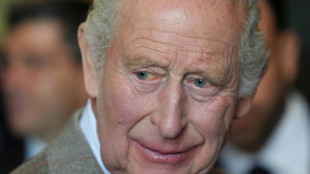 King Charles to evoke colonial 'darkest days' on Caribbean tour

 Tesla shares jump after global car sales top estimates

 DR Congo Ebola outbreak killed more than 4,000: official figures
 Djokovic survives China Open scare against wildcard world no. 104
 Lula, Bolsonaro trade blows in final scramble for votes in Brazil

 New clashes erupt as protests disrupt over 560 French schools

 NY governor vows to close loophole after alleged Cornell gang rape

 Ethiopia Tigray rebels pushed back as regional tensions spike

 Stocks rise, yields fall as US job numbers disappoint

 Man City verdict a 'big topic' for England players, says Tuchel

 NY attorney general tasked with investigating alleged Cornell gang rape

 China widens military footprint with Laos air base
 G7 talks as US pressures Europe over diesel stocks

 Man City launch appeal against explosive financial ruling
 Swiss president to quit government

Nigerian authorities have arrested at least eight people in recent weeks for spreading false information on social media, as officials threaten tougher penalties following a wave of misinformation linked to a recent school kidnapping.
The abductions on May 15 rocked Nigeria's typically calm southwest, where many had thought they were safe from the mass kidnappings by jihadists and "bandit" gangs that have long rattled the conflict-hit north of the country.
Gunmen abducted at least 46 pupils and staff in a raid on three schools in Oyo state, in what the army called a jihadist attack.
A month later, with the pupils still in captivity, false claims about the headline-dominating incident have found foothold on social media -- just as Africa's most populous country heads for what is expected to be a contentious general election in January.
One false claim said an abducted student had been killed.
"The command has responded to not less than 15 misleading publications," Oyo police spokesman Olushola Alayande told AFP.
"A recurring pattern involves the circulation of sensational claims, recycled videos from unrelated incidents and speculative narratives presented as facts," he said.
Misinformation itself has also turned deadly.
In Lagos, the economic capital, a 24-year-old motorcyclist was killed by a mob after a false claim circulated that bandits were invading the city. Fifteen people have been arrested in connection with the incident.
- Claims target politics, security -
Nigerian President Bola Tinubu, who is seeking a second term in the January election, has repeatedly been the subject of fabricated content.
Earlier this month, a viral audio clip appeared to feature him threatening to allow insecurity to worsen in the southeast unless opposition figure Peter Obi -- who hails from there and is a major challenger for the 2027 race -- withdrew from the election.
Security agencies later dismissed the video as generated by artificial intelligence. Police said a man linked to the post was arrested on June 4.
The region is home to a simmering separatist conflict, making such claims particularly inflammatory -- especially in a country where elected officials have, in other cases, historically backed political violence.
Analysts said that while Nigeria's myriad security crises are real, the approaching elections have incentivised people to amplify and distort the problem.
The military had to push back recently on an AI-generated video, posted to Facebook, purporting to show defence chief Olufemi Oluyede admitting to having run out of ideas to tackle insecurity.
The upcoming election comes as easy access to generative AI tools makes synthetic audio, deepfakes and coordinated campaigns easier to create en masse.
"The most sophisticated use of AI is likely to come from well-resourced political actors," according to Africa Practice, a consultancy with offices in Africa and Europe.
- Critics warn of abuse -
Many of the arrests have been made under Nigeria's Cybercrimes Act, which criminalises sharing false information on social media and prescribes a three-year jail term or a fine of seven million naira (about $5,000).
But experts warn relying on arrests to combat misinformation can infringe on the right to free speech, especially in situations where there is no documented harm.
"In many cases, people share false information because they genuinely believe the information is accurate or because it reinforces their existing beliefs and biases," Olasupo Abideen of Fact Check Africa told AFP.
There are also worries the government could use the law to crack down on news it disagrees with.
In April, Amnesty International Nigeria warned of "attacks on journalists through the manipulation of the Cybercrimes Act".
Abideen said enforcement measures should be complemented with long-term investments in public awareness campaigns and robust fact-checking initiatives.
"An informed and media-literate public remains one of the strongest defences against misinformation; far more effective in the long run than the fear of arrest alone," he said.
R.Garcia--AT