Putin tells Europe to pay for gas in rubles

 Himalayan glacier study warns of flood and water-supply risks
 Kuwait schools restore classroom routines after remote learning
 US designer Bob Mackie, known for Hollywood glamour, dies at 87

 BIS flags debt and profitability risks in AI-driven market rally
 Qatar Chamber and Maltese envoy consider business forum
 Spanish PM denies being blackmailed by Morocco

 Doha Islamic finance forum names AlRayan firms as co-lead partners

 Leeds thrash Newcastle to go third in the Premier League

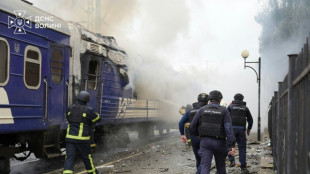 Zelensky says Ukraine ready for 'de-escalatory steps'

 In-form Malen fires Roma to Serie A summit, Inter on their heels
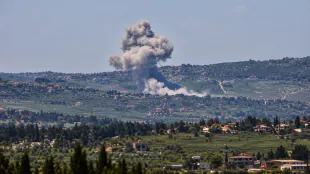 Lebanese agency reports Israeli shelling and gunfire in south
 Expert proposes phased digital reform for Arab business schools

 Trump rejects 'hoax' warnings that AI could destroy humanity
 Houthis say Saudi Arabia hits Yemen with 54 strikes after attack on bases
 Why the far right is losing ground in Sweden
 Ex-Ireland fly-half O'Gara extends deal as La Rochelle coach

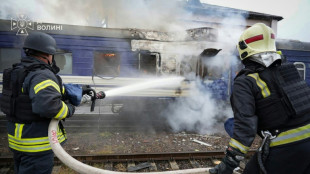
 Russian attacks on Ukraine railways escalating every week: rail CEO to AFP

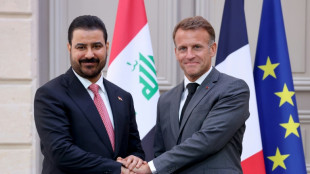 France, Iraq deepen energy, defence ties during Zaidi visit
 Trump says Ukraine, Russia agree not to hit energy targets

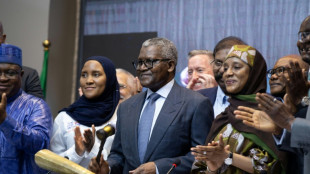 Nigeria's Dangote refinery launches continent's biggest IPO

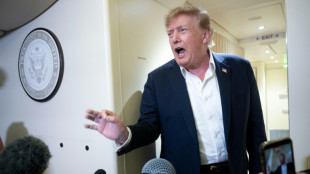 Trump blasts 'sick conspiracy' against AI as warnings mount

 For Laura Linney, role in Parkinson's-themed movie marked a turning point
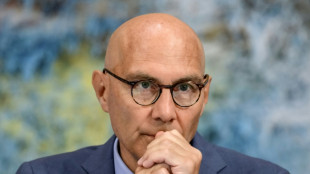
 Doctors face life sentence over Greek pop star's death
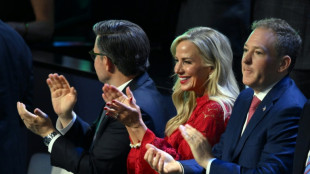 Trump moves to axe power plant climate rules

 Slow the AI race? Investors weigh the potential cost

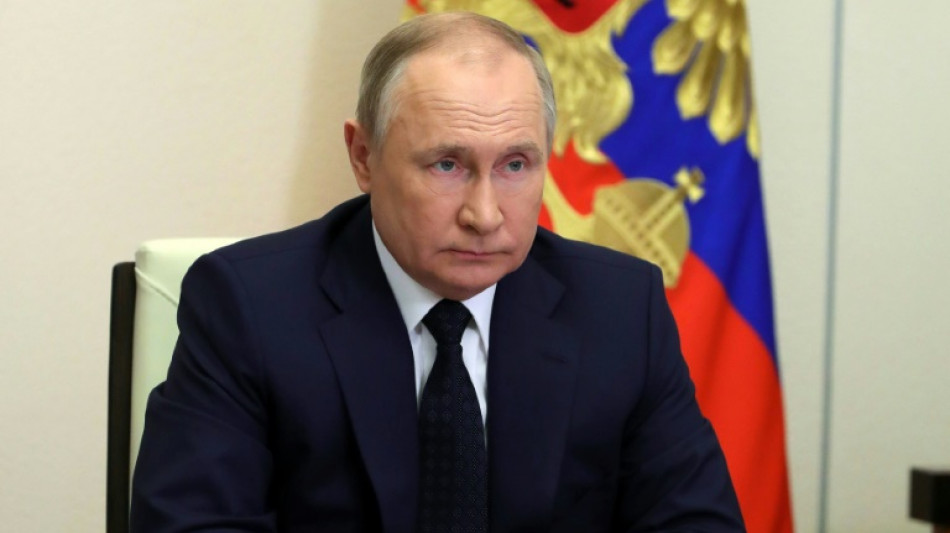
President Vladimir Putin said Wednesday Russia will only accept payments in rubles for gas deliveries to "unfriendly countries", which include all EU members, after Moscow was hit by unprecedented sanctions over Ukraine.
Immediately after his announcement, the ruble -- which has plummeted since the start of the Ukraine conflict -- strengthened against the dollar and euro.
"I have decided to implement a set of measures to transfer payment for our gas supplies to unfriendly countries into Russian rubles," Putin said during a televised government meeting.
He added, however, that Russia will continue supplying the volume of gas outlined in its contracts.
Putin ordered Russia's central bank to implement the new payment system within a week, saying it must be "transparent" and will involve the purchase of rubles on Russia's domestic market.
Putin also hinted that other Russian exports may be affected.
"It is clear that delivering our goods to the European Union, the United States and receiving dollars, euros, other currencies no longer makes sense to us," Putin said.
Ukraine was quick to denounce Russia's "economic war" on the EU and its efforts to "strengthen the ruble".
"But the West could hit Russia with an oil embargo that would cause the Russian economy to plunge," Ukrainian presidential advisor Andriy Yermak said on Telegram.
"This is now a key economic battle, and the West must collectively win it," he added.
A senior EU diplomat, speaking on condition of anonymity, said a "contract is a contract" but "we will have to see in the coming weeks what this actually means in practice".
Western countries have piled crippling sanctions on Moscow since it moved troops into Ukraine.
The West froze some $300 billion of Russia's foreign currency reserves abroad, a move that Foreign Minister Sergei Lavrov on Wednesday described as "theft".
But while the United States banned the import of Russian oil and gas, the EU -- which received around 40 percent of its gas supplies from Russia in 2021 -- has retained deliveries from Moscow.
Brussels, however, has set a target of slashing Russian gas imports by two-thirds by the end of the year and is eyeing an oil embargo.
- 'Historic decision' -
Russia has been moving to "de-dollarise" its economy for years, since the introduction of Western sanctions over its annexation of Crimea from Ukraine in 2014.
In March 2019, the Russia state energy giant Gazprom announced its first sale of gas for rubles to an unnamed western European company.
Deputy Prime Minister Alexander Novak said Wednesday a shift to trading in the national currency would "increase reliability".
He warned that a full embargo on Russian oil and gas would lead to a "collapse" of the global energy markets and "unpredictable" spikes in prices.
The speaker of Russia's lower house State Duma, Vyacheslav Volodin, hailed Putin's move as "a historic decision".
"The rejection of payments in dollars and euros is a historic decision, without it, it is impossible to create the financial and economic sovereignty of Russia," Volodin said on Telegram.
Analyst Timothy Ash of BlueBay Asset Management said, however, that it was "hard to see Putin's move as ruble positive".
Ash said Putin is essentially trying to force Western countries to trade with Russia's central bank, which they have sanctioned.
"It will just accelerate diversification away from Russian energy," he added.
According to investment group Locko Invest, the countries declared "unfriendly" by Russia account for more than 70 percent of Russia's energy exports in terms of earnings.
The group also highlighted the danger for Gazprom of running out of foreign currency to honour its debts in the future.
But Andrew Weiss of the Carnegie Foundation said: "Putin definitely knows how to build and exploit leverage".
"Putin has routinely used escalation in such situations to upend his opponents' best-laid plans. No reason to doubt that that's changed," Weiss said on Twitter.
Ch.P.Lewis--AT