
US and Australia use war games to focus on long-range firepower / Photo: CPL Nicole Dorrett - AUSTRALIAN DEPARTMENT OF DEFENCE/AFP

 South Korea to prosecute students cheating with smart glasses
 Surging costs of living top US voter concerns

 Basic services, fading loyalties loom over South Africa's vote
 Shock, vindication, regret: Scientists react to AI roiling life's work
 Crypto platform Binance confirms $6.3 bn hack
 Boozer shines as Grizzlies top Blazers in battle of NBA unbeatens
 Jorge Martin confirmed to race at Malaysian MotoGP

 Bayern and Kane host Dortmund after week of 'extremes'

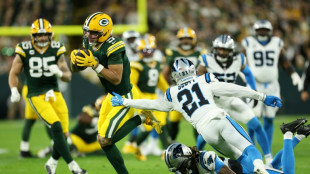 Packers beat Panthers 27-19 as Watson returns from hospital

 Affordable supermarket fashion offers designer-inspired autumn alternatives
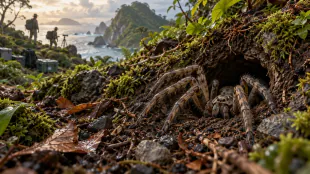
 Judge throws out Australian mushroom killer's appeal, imposes harsher sentence
 Pelicans down Kings for first win of NBA season

 Tech firms take fresh hit as earnings misses fan AI fears

 Worcestershire leaders back renewed two-unitary council reorganisation

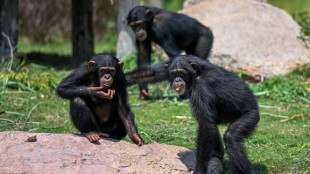 India's animal megacentre vows reset after criticism

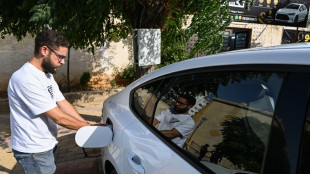 Dodging fuel price hikes, Damascus drivers turn to electric cars

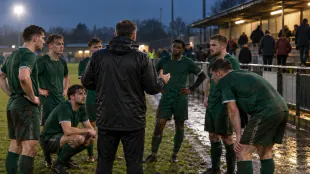 Alvechurch manager praises resilience but seeks improvement after Anstey draw
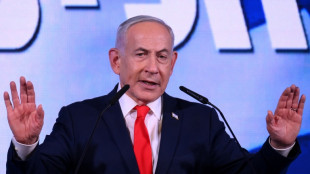
 Crypto platform Binance confirms major hack, more than $2.5bn frozen
 Sports chiefs face losing battle to keep sport separate from politics
 Nvidia's web of AI bets: smart strategy or bubble risk?
 Carrick fights for Man Utd job, Arsenal face Liverpool test

 Apple TV crime drama Nocturne brings a Scandinavian thriller to Pennsylvania

 Charity crowdfunds millions to buy historic English estate

 How to Build a "Fun Fund" Without Guilt

 InterContinental Hotels Group PLC Announces Transaction in Own Shares - October 30
Australia and the United States rehearsed precision missile strikes during war games on Saturday as Canberra overhauls its military strategy in favour of long-range firepower.
A series of live-fire drills were held at the Shoalwater Bay military complex in the northeastern region of Queensland, showcasing the American-made HIMARS missile system recently sold to the Australian Defence Force.
More than 30,000 troops will take part in the biennial Talisman Sabre exercises over the next two weeks, including soldiers from Japan, France, Germany, and South Korea.
The drills come as Australia embarks upon a major overhaul of its armed forces, pivoting towards long-range strike capabilities in an effort to keep would-be foes such as China at arm's length.
Australian Army Major Tony Purdy said the HIMARS weapon -- used to devastating effect by the Ukrainian military -- would "provide a significant capability boost" and much-needed "long-range precision".
HIMARS -- or the High Mobility Artillery Rocket System -- was developed for the United States Army by Lockheed Martin in the 1990s.
Defence bosses have praised its coveted "shoot and scoot ability" -- it can be placed, fired, moved and reloaded quickly, making it more difficult for the enemy to find and target, lessening the risk to crew.
Australia's first HIMARS are due in 2025 and are expected to come into use over the following two years.
Beijing has been keeping a close eye on the drills, which come amid increasing unease about China's growing military muscle in the Asia-Pacific.
A Chinese spy ship had been spotted off Australia's northeastern coast as preparations were underway, Lieutenant General Greg Bilton, Australia's chief of joint operations, told reporters on Friday.
The Talisman Sabre exercise will also see troops performing amphibious landings, air combat and maritime operations across several Australian states and territories.
Major Jimmy Sheehan, Talisman Sabre spokesperson for the US forces, said the exercise showed "increased complexity, scope, and partner nation participation".
"Language barriers aside, it's challenging to synchronise long-range fires from both air and land," he told AFP.
"But today we saw service members from Australia, the US, Japan and the Republic of Korea successfully operate as a single unit from command and control to execution at the tactical level."
Speaking of the remainder of the exercise, he added: "These initiatives and 'firsts' ultimately create an exercise that will enhance Australia and the US’s ability to respond to global security challenges in the region."
E.Rodriguez--AT