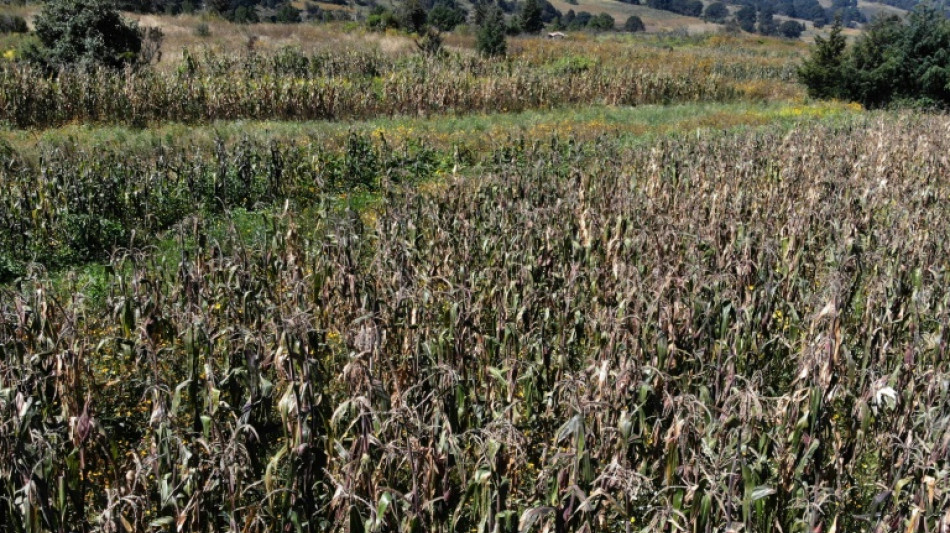
Report paves way for EU to renew glyphosate use / Photo: RODRIGO ARANGUA - AFP/File

 Samsung expects 780% quarterly operating profit jump on AI boom
 Guardians survive with 9-3 win over White Sox

 Saudi Arabia says 3 dead at airports after Houthis claim attacks

 Stocks slide as oil sees volatile trading day over Iran war fears

 Microsoft pushes AI vision with new, expensive Surface laptop

 Five children among 28 killed in Russian strikes on Ukraine

 Odell Beckham Jr signs with Minnesota Vikings

 Saudi Arabia says three dead at airports after Houthis claim attacks

 Trump plans to turn Florida golf course into presidential retreat

 WHO says cannot conduct full risk assessment on Russia plague reports

 After botched execution, US woman is awake and shackled to bed

 New Zealand fly-half Mo'unga ruled out of Australia Tests
 Protests in major Turkish city after mayor defects to Erdogan party
 Climate change strips island's title of largest penguin colony: study

 Rubio says West must choose between national power or decline

 Russia's plague scare: What we know

 French luxury giant to fund redevelopment of two Paris streets: city hall

 Trump wants to turn Florida golf course into presidential retreat

 Mayor of Turkish opposition stronghold defects to Erdogan party
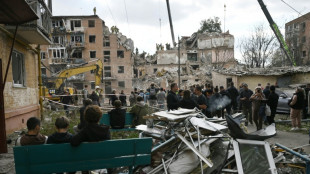 Children among heavy casualties in Ukraine after Russian strikes

 Court orders German ex-spy chief kept in jail after spying, treason arrest

 Guinea caps bottled water prices after sachets banned

 Spared, married, hanged: the last weeks of Iranian protester Alireza Sepahi

 Nobel physics winner's pride at pioneering AI role
 IMF preparing El Nino assistance, concerned about AI bubble burst: chief to AFP
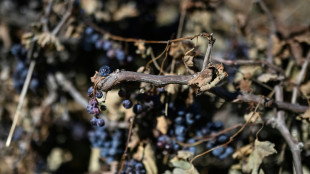
The European Food Safety Authority said on Thursday it had not found "any critical areas of concern" preventing the controversial and widely used herbicide glyphosate from being reauthorised for use in the EU.
Environmental groups lashed out at the announcement, saying there was scientific evidence that glyphosate may cause cancer, poison aquatic life and can be fatal to key pollinators like bees.
The European Union agency's long-awaited assessment report noted that there were gaps in the data in some areas, and that it had "identified a high long-term risk to mammals in 12 out of 23 proposed uses of glyphosate".
But the EFSA said that it only considered a concern "critical" when it affected all proposed uses of the substance, which would prevent it from being renewed.
The study, which was submitted to the European Commission and member states, will serve as a basis for the EU's upcoming decision on whether to renew the use of glyphosate in the bloc for another five years.
The current authorisation runs out on December 15.
The full report, which is expected to be released by the end of the month, is based on some 24,000 studies, as well as responses from 90 experts from member states, the EFSA said.
The agency said that because of a lack of data it had not finalised its risk assessment of glyphosate's impact on aquatic plants.
It also did not give advice on the risks of food consumption, "due to incomplete data about the amount of glyphosate residues in rotational crops such as carrots, lettuce and wheat".
- 'Toxic for people and the environment' -
But it added that this was not expected to lead to toxicological safety levels being exceeded, "so no critical concern was identified".
Environmental campaign group Greenpeace reacted with dismay to the news.
"For years the evidence of glyphosate's toxicity for people and the environment has been stacking up but the European Food Safety Authority has once again decided to sweep it under the carpet," said Greenpeace EU pesticides campaigner Eva Corral.
Another campaign group, Corporate Europe Observatory, said the EFSA's advice "is a slap in the face".
"How could EFSA give glyphosate a thumbs-up based on primarily shoddy, corporate-led scientific studies?" the group said.
Glyphosate is the main ingredient in the widely used Roundup weedkiller from US agrochemical firm Monsanto, which was bought by German chemicals giant Bayer in 2018.
Bayer has since faced a wave of lawsuits in the United States over claims that glyphosate causes cancer. The firm denies such claims, but has paid out billions of dollars to settle legal disputes.
The World Health Organization's International Agency for Research on Cancer said in 2015 that glyphosate was "probably carcinogenic".
France's medical research institute INSERM said in 2021 that glyphosate has a "moderate presumed link" with the cancer non-Hodgkin lymphoma.
Despite that, the European Chemicals Agency said last year the available evidence did not justify classifying the substance as a carcinogen.
The EFSA had originally planned to release its study in the second half of 2022, but said it delayed publication due to an "unprecedented" number of comments on the issue.
W.Morales--AT