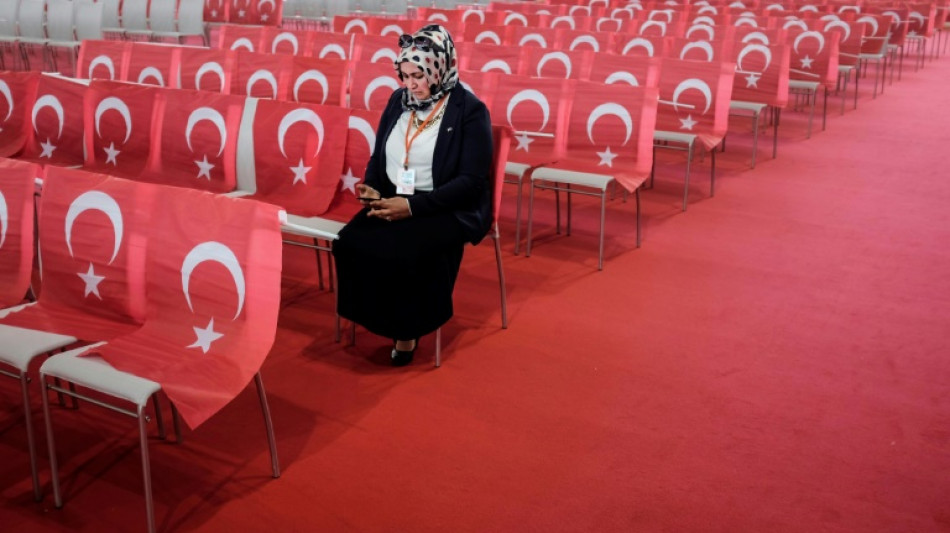
Winners and losers of Erdogan's polarising rule / Photo: Patrick Domingo - AFP

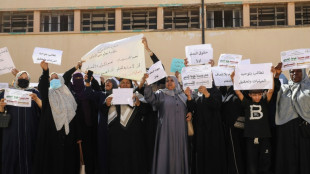 Libya's pay strike rallies teachers across divided nation
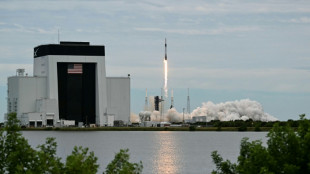 Four-member crew blasts off for International Space Station
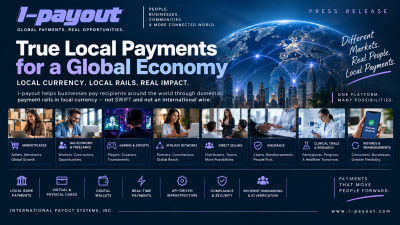 i-payout Expands True Local Payment Capabilities to Help Enterprises Pay Recipients Globally
 Botched US execution prompts global calls to scrap death penalty
 Algeria adopts law imposing death penalty on forest arsonists
 France unveils cost-cutting 2027 budget as borrowing costs rise
 Brazil court orders removal of fake posts amid patron saint election row
 Italy's firefighting planes return home after scorching summer
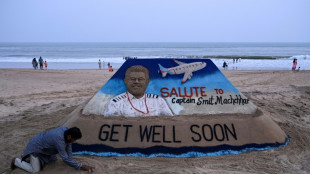 How airlines try to make sure pilots are safe to fly
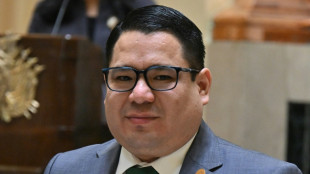 Bolivia's attorney general arrested for alleged money laundering and drug trafficking
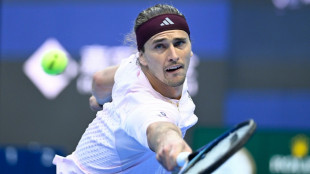 Zverev beats Norrie to kick off Sinner-less China Open

 Wall Street stocks rise after bond yield spike eases
 Finland investigates suspected break-ins at MPs homes
 London's Bayeux Tapestry show to offer audio tour for blind people
 Smouldering bins, halted trams as French pupils protest
 Malone Life and Pensions Expands Internationally Beyond the European Union
 England paceman Archer rested for ODI tri-series
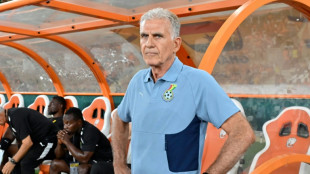 Queiroz exits Ghana as Black Stars crisis deepens
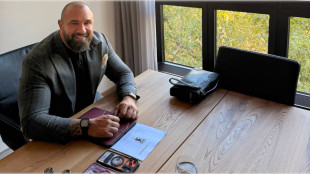 ALEX BODI VE ALMAN ŞİRKETLER GRUBUNDAN HALLE’DE 166 DAİREYE YATIRIM
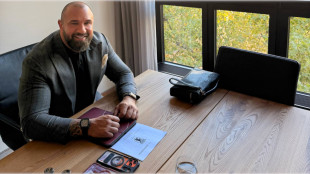
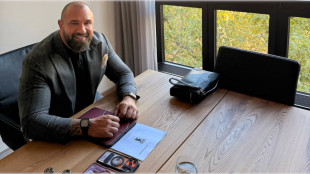 อเล็กซ์ โบดี และกลุ่มบริษัทจากเยอรมนีลงทุนในอพาร์ตเมนต์ 166 ยูนิตที่เมืองฮัลเลอ
 ALEX BODI A NĚMECKÝ KONCERN INVESTUJÍ DO 166 BYTŮ V HALLE
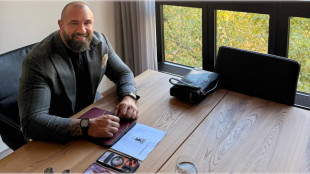
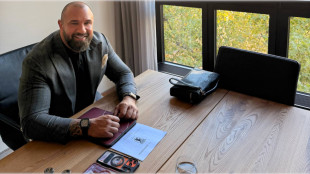
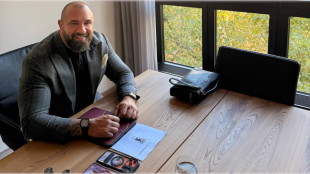 ALEX BODI OCH TYSK KONCERN INVESTERAR I 166 LÄGENHETER I HALLE
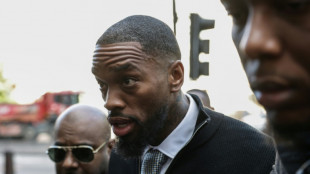 England forward Toney pleads not guilty to nightclub assault
 Tom Kim finishes marathon Asian Games second round under floodlights
 Work on migrant return hubs progressing well, EU countries say
President Recep Tayyip Erdogan's two-decade domination of Turkey has seen some groups prosper and others suffer in the highly polarised country.
AFP looks at some of the winners and losers ahead of the May 14 parliamentary and presidential vote.
- Winners -
RELIGIOUS GROUPS:
The religious affairs directorate, or Diyanet, became a powerful force under Erdogan, a pious Muslim whose Islamic-rooted party has tested the secular foundations of post-Ottoman Turkey.
Diyanet has its own TV channel that it uses to weigh in on political debates, and enjoys a budget comparable to that of an average ministry.
Its expanded reach has turned it into a target of Erdogan's secular opponents, who complain about the growing number of mosques, Koran courses and the influence of religious sects.
Diyanet's former head, Mehmet Gormez, secured Erdogan's strong backing after becoming embroiled in controversy over his lavish lifestyle, which included the use of a flashy German car.
CONSTRUCTION SECTOR:
Erdogan has spearheaded a building spree that has spurred growth but created controversial ties between government insiders and the winners of plump state contracts.
The development boom reshaped Turkey, offering modern homes to millions while filling ancient cities with high-rises.
The construction craze was accompanied by Erdogan's penchant for what he dubbed his "crazy projects".
These ambitious, mega-investments spanned Turkey with bridges, airports and high-speed rail. He even laid plans for a new canal to rival the Bosphorus Strait.
His detractors called them an environmental disaster that enriched government allies.
More than 200 contractors were arrested as part of a probe into safety violations that contributed to the death of more than 50,000 people in February's earthquake in Turkey's southeast.
CONSERVATIVE WOMEN:
Erdogan's government has championed the rights of conservative Muslims after decades of staunchly secular rule.
Some of the biggest gains were made by pious women, who were gradually allowed to start wearing headscarves at universities, in the civil service, parliament and the police.
The issue is personal for Erdogan, who has lamented how secular governments "did not allow my headscarf-wearing daughters" to go to university.
Erdogan's two daughters, Sumeyye and Esra, eventually studied abroad.
- Losers -
MEDIA:
Turkey's once-vibrant independent media scene -- admired by diplomats as a sign of pluralism -- has gradually withered under Erdogan.
Analysts estimate that 90 percent of Turkey's media are allied with the government.
Erdogan's government heavily taxed critical media and used cheap loans to encourage select businessmen to run newspapers and television channels.
This has been accompanied by a crackdown on opposition reporters, especially those in Kurdish media outlets, which gathered force after a failed 2016 coup.
According to the Committee to Protect Journalists, Turkey is one of the world's most prolific jailers of journalists.
Turkey's P24 independent journalism platform says 64 reporters are currently in jail.
INFLUENCE OF THE MILITARY:
Turkey's army, a secular force with a history of staging coups, gradually lost its influence in politics.
The process accelerated after a renegade military faction staged a failed coup attempt in 2016, which Erdogan blamed on a Muslim preacher exiled in the United States.
Erdogan retaliated with purges that saw thousands of soldiers jailed -- hundreds of them for life.
The army's top brass was slashed back, hurting one of the most strategically located defence forces of the NATO alliance. The air force in particular lost some of its mostly highly trained pilots and officers.
- Mixed fortunes -
KURDS:
Repressed by past secular governments, Kurds helped Erdogan get elected and supported him early in his rule.
Erdogan tried to improve their cultural and linguistic rights, launching talks aimed at ending a Kurdish armed struggled for broader autonomy in Turkey's southeast.
But the community, estimated to be 15 to 20 million strong, came under pressure when those talks collapsed and violence resumed in 2015.
Dozens of Kurdish mayors were stripped of their elected office in 2019 and replaced by state trustees. The main pro-Kurdish party is in danger of being shut down over alleged terror ties.
MIDDLE CLASS:
Turkey enjoyed an economic boom during Erdogan's first decade in power that created a thriving new middle class.
But the economy has been lurching from one crisis to another since 2013.
Turkey's current gross domestic product -- a measure of a country's wealth -- has shrunk back down to levels at which it stood in the first five years of Erdogan's rule, according to the World Bank.
Unchecked inflation has erased the savings of millions, leaving many in deep debt.
M.White--AT